
Best Finance & Investing Books
Expert reviews of the most impactful books on investing, personal finance, and wealth building. Find your next essential read.
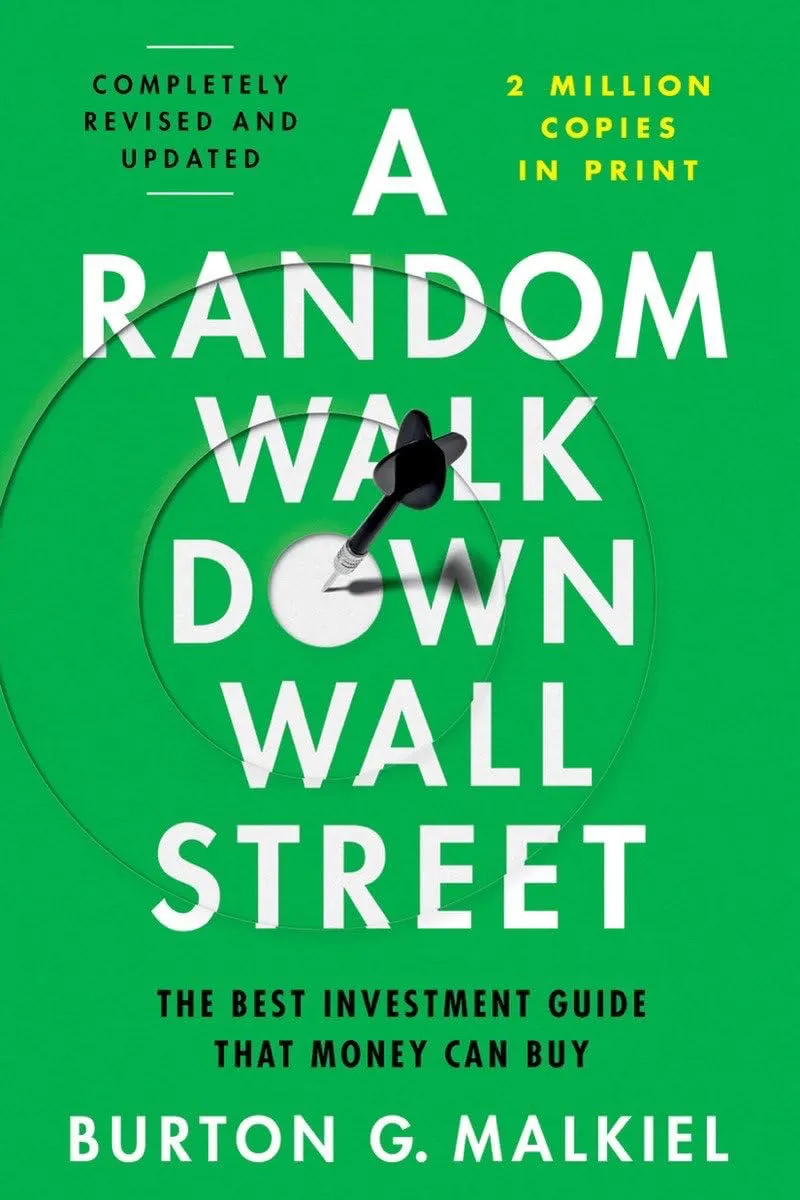
A Random Walk Down Wall Street
by Burton G. Malkiel · 1973 · 432 pages
Burton Malkiel argues that stock prices move randomly enough that index funds beat active management. Now in its 13th edition, the SPIVA data through 2025 keeps proving him right. Our full review covers what holds up and what does not.

Against the Gods: The Remarkable Story of Risk
by Peter L. Bernstein · 1996 · 384 pages
Peter Bernstein traces how humanity learned to measure risk, from Greek dice games to Black-Scholes. Our review covers what holds up, where fat-tail research has moved beyond the book, and why regression to the mean still matters for investors in 2026.
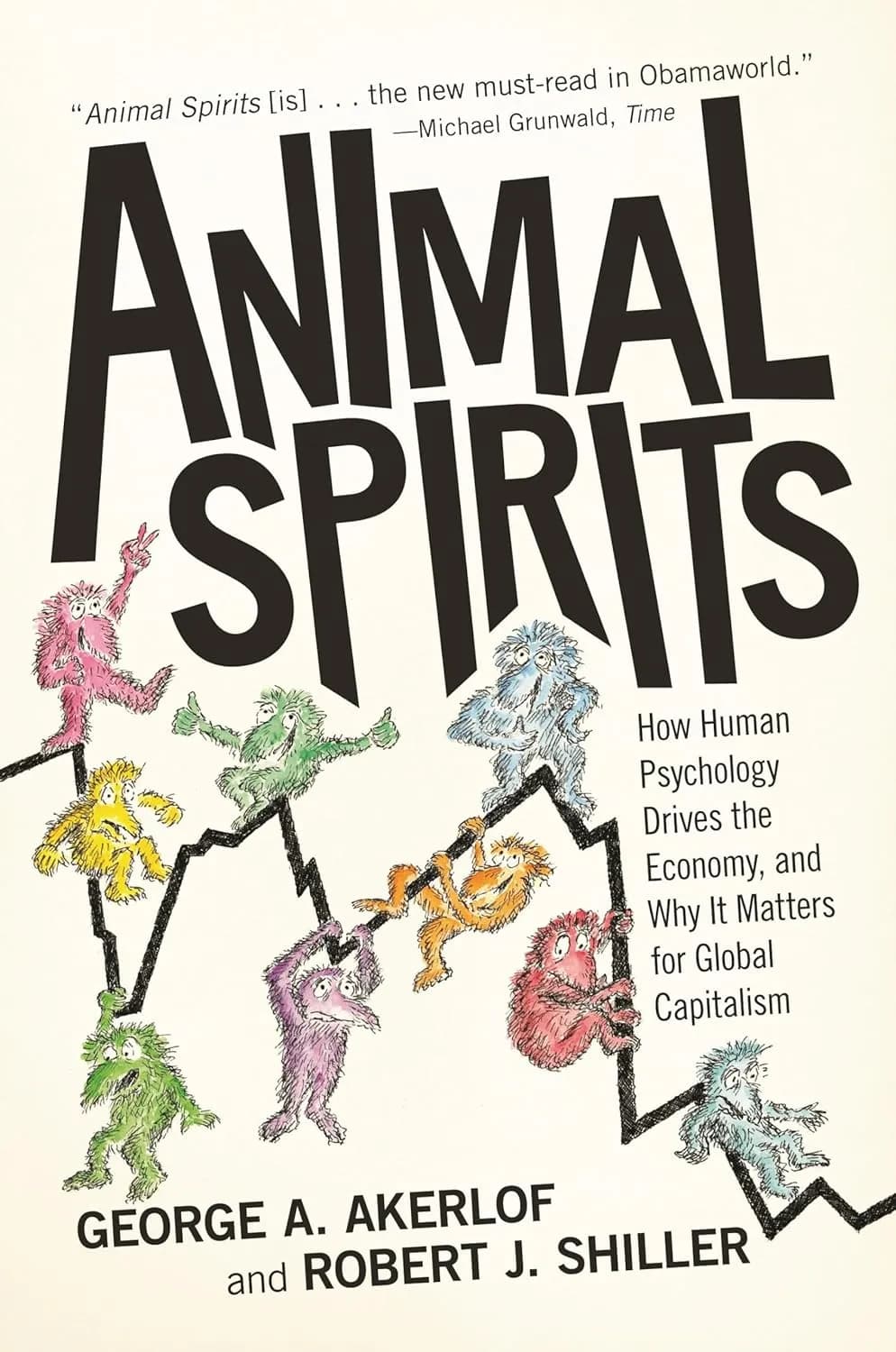
Animal Spirits: How Human Psychology Drives the Economy
by George A. Akerlof & Robert J. Shiller · 2009 · 264 pages
Two Nobel Prize winners argue that confidence, fairness, corruption, money illusion, and stories drive the economy more than rational models admit. Our review covers what holds up in 2026 and where narrative economics research has taken the argument further.
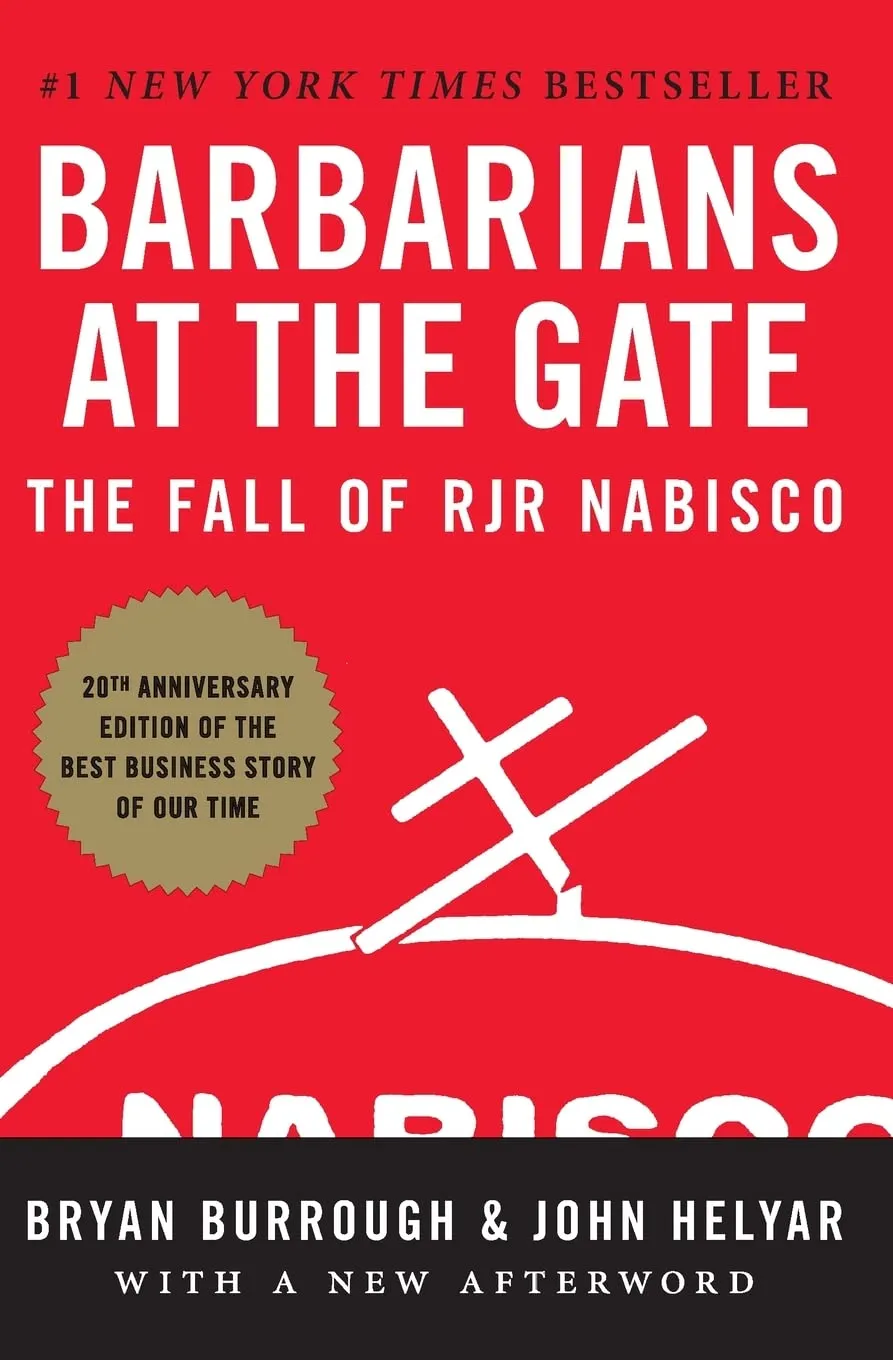
Barbarians at the Gate: The Fall of RJR Nabisco
by Bryan Burrough & John Helyar · 1990 · 528 pages
The leveraged buyout of RJR Nabisco was the deal that defined the 1980s. Our review covers what the book teaches about LBOs, why the private equity market of 2025 looks very different, and what individual investors should take away.
Basic Economics: A Common Sense Guide to the Economy
by Thomas Sowell · 2000 · 704 pages
Thomas Sowell's 700-page plain-language economics primer covers prices, labor, trade, and money with no graphs or equations. Our review covers what holds up, where the free-market framework has limits, and what the 2025 tariff debate reveals about trade economics.
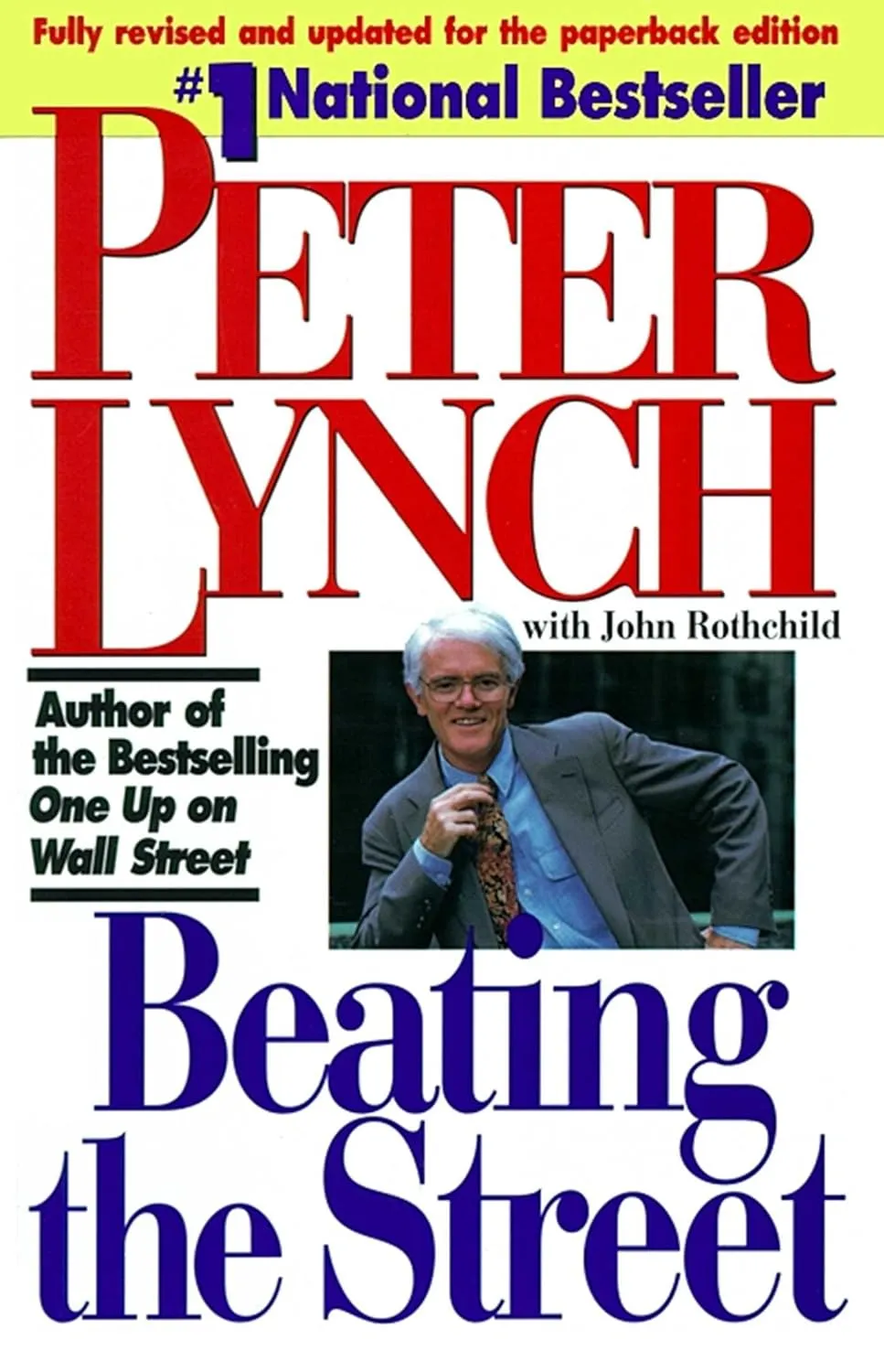
Beating the Street
by Peter Lynch · 1993 · 318 pages
Peter Lynch's follow-up to One Up On Wall Street covers his actual stock picks from the Magellan Fund years and shows how ordinary investors can find great stocks by applying disciplined research to everyday observations.
Beyond Greed and Fear: Understanding Behavioral Finance and the Psychology of Investing
by Hersh Shefrin · 1999 · 368 pages
Hersh Shefrin's comprehensive academic treatment of behavioral finance applied to investment decisions. Drawing on Kahneman and Tversky's research, Shefrin explains how heuristics, framing, and mental accounting cause systematic errors in portfolio construction, stock picking, and market analysis.
Capital Ideas: The Improbable Origins of Modern Wall Street
by Peter L. Bernstein · 1992 · 340 pages
Peter Bernstein's definitive history of modern financial theory, how a small group of academics transformed Wall Street with ideas like portfolio theory, the efficient market hypothesis, the Capital Asset Pricing Model, and options pricing. Essential reading for anyone who wants to understand where the tools of modern investing came from.
Capital in the Twenty-First Century
by Thomas Piketty · 2014 · 696 pages
Thomas Piketty's landmark study of wealth inequality across two centuries of data. His central finding, that returns on capital consistently exceed economic growth, drives a long-run tendency toward wealth concentration. Essential reading for understanding the structural forces shaping economies and markets.
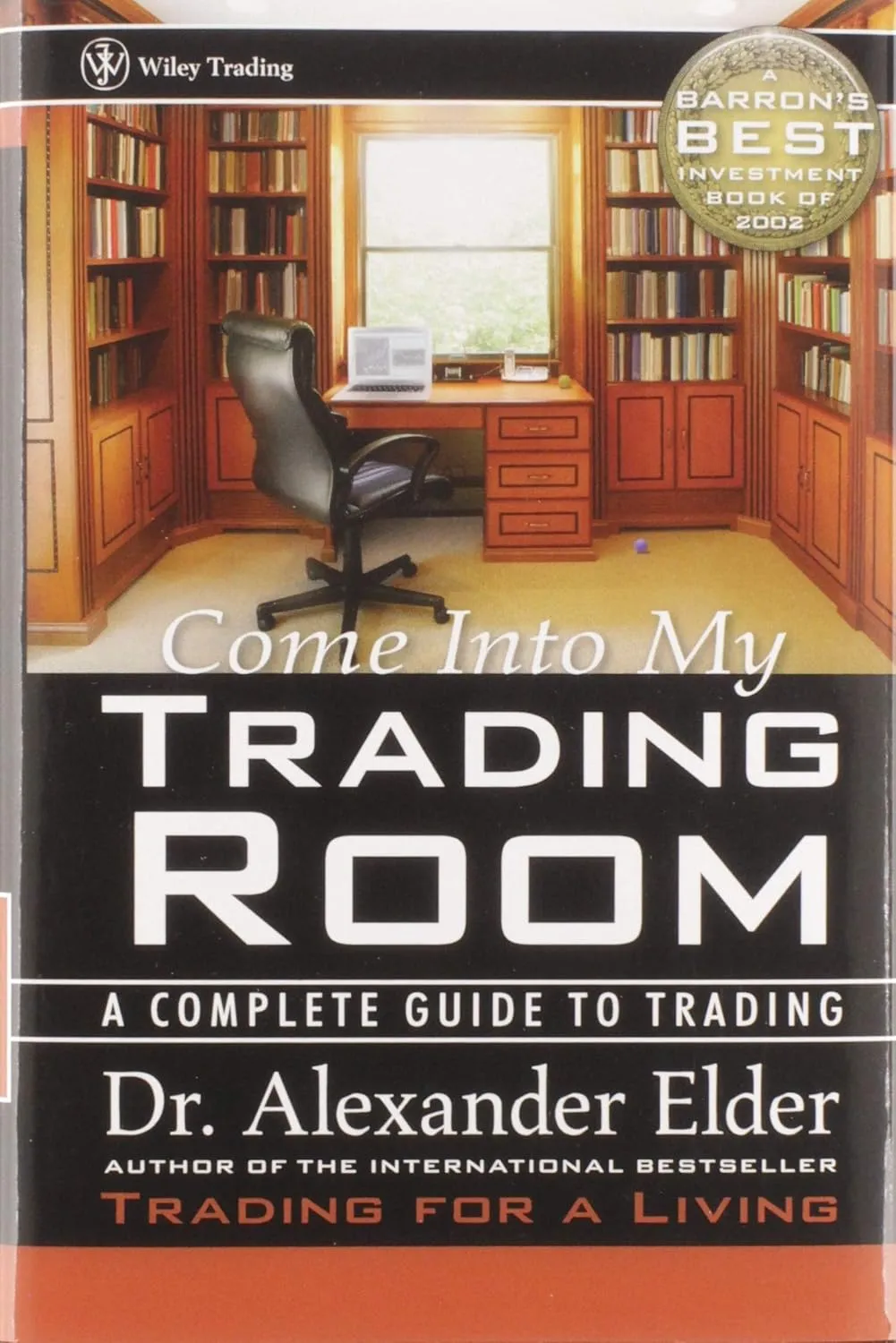
Come Into My Trading Room: A Complete Guide to Trading
by Dr. Alexander Elder · 2002 · 320 pages
Dr. Alexander Elder's trading guide covering technical analysis, money management, and trader psychology. Learn the Three Ms framework, Triple Screen system, and the 2% risk rule that can keep you in the game.
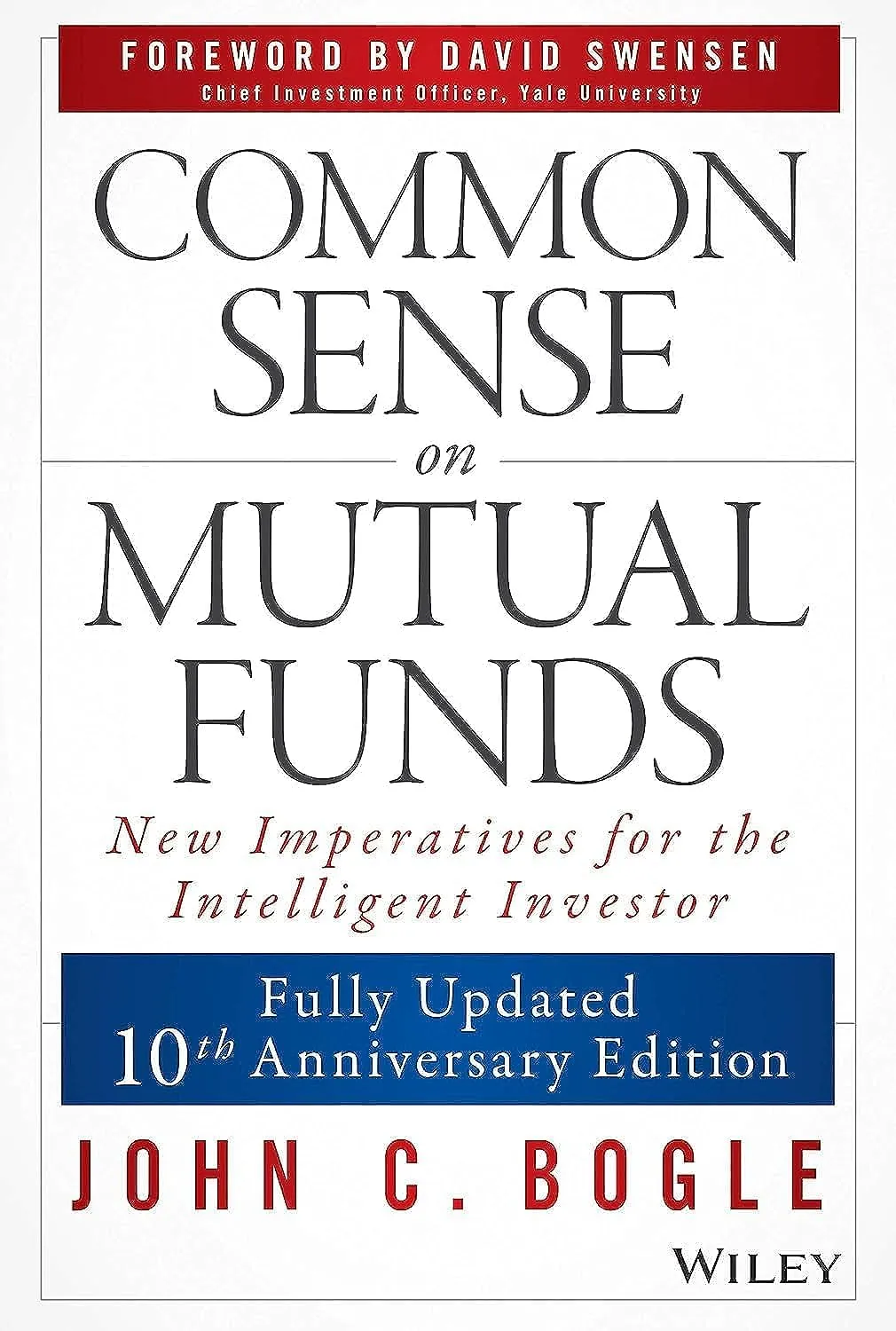
Common Sense on Mutual Funds
by John C. Bogle · 1999 · 656 pages
John Bogle's data-driven case for index fund investing over active mutual fund management. The founder of Vanguard dismantles the active management industry with decades of performance data.
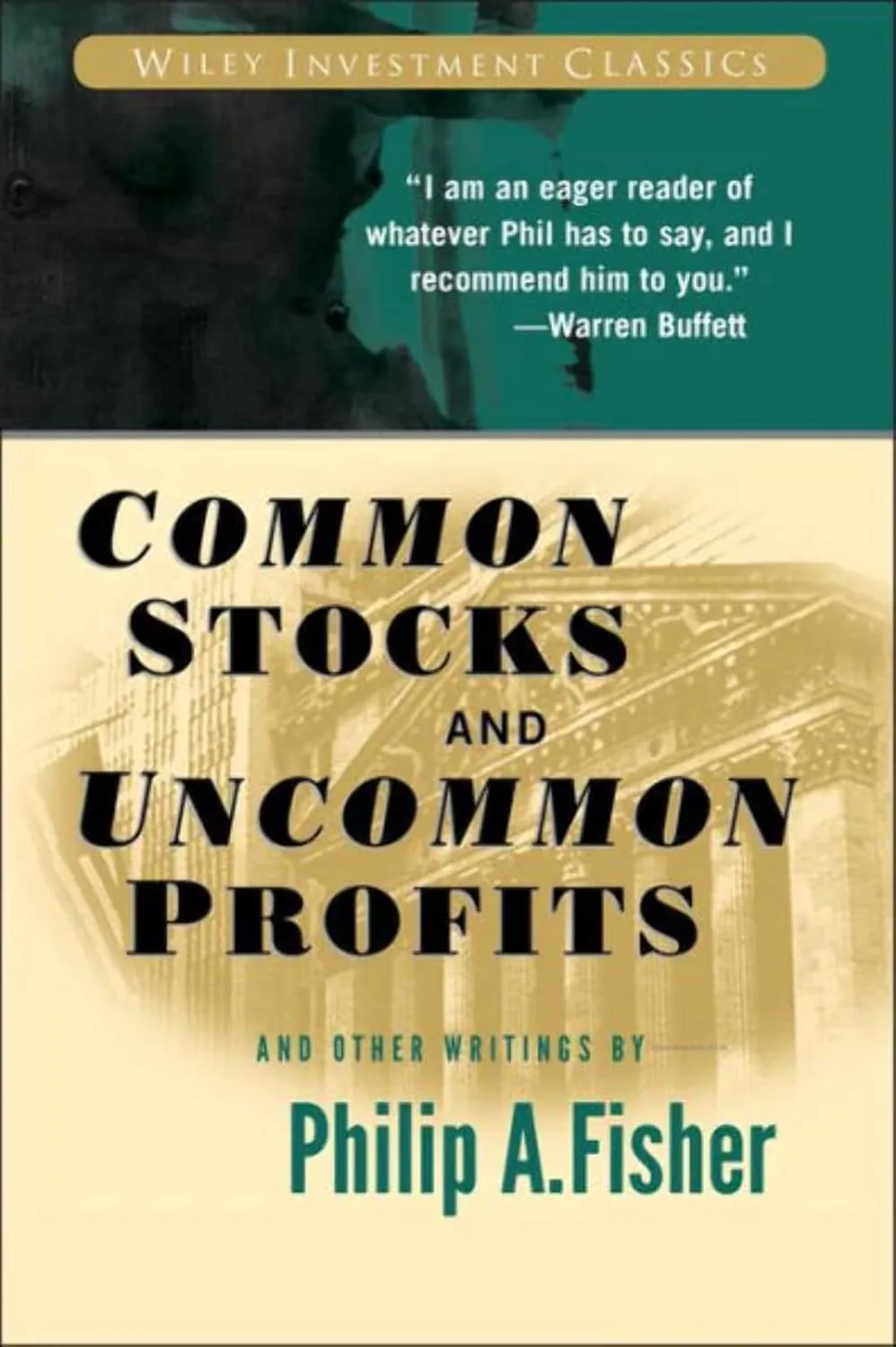
Common Stocks and Uncommon Profits
by Philip A. Fisher · 1958 · 320 pages
Philip Fisher's masterwork on growth investing through qualitative research. His 'scuttlebutt' method of investigating companies through competitors, customers, and suppliers influenced Warren Buffett and defined a generation of growth-oriented value investors.
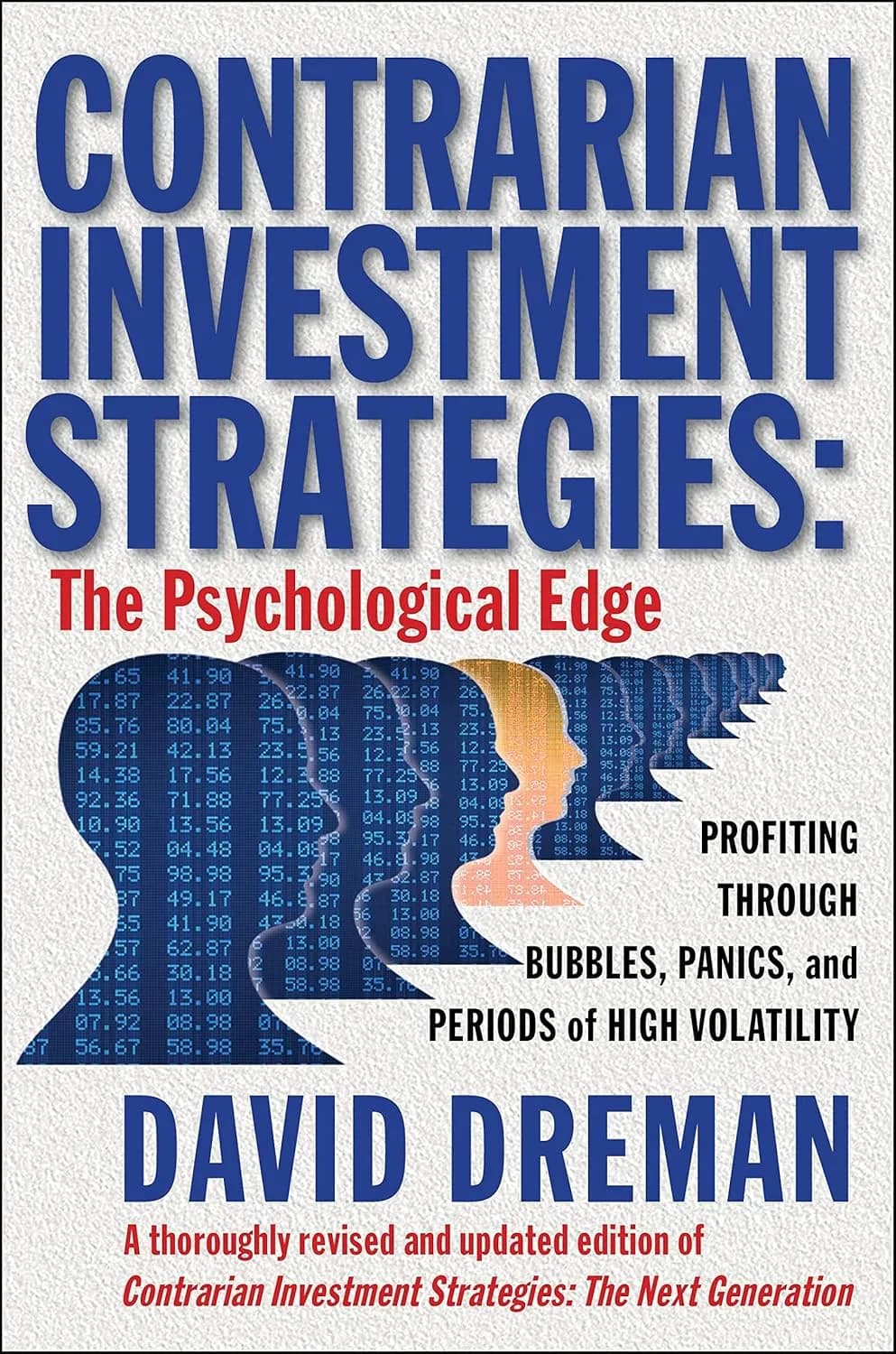
Contrarian Investment Strategies: The Psychological Edge
by David Dreman · 1998 · 464 pages
David Dreman's case for contrarian investing: buying the most out-of-favor, low P/E, low P/B stocks that analysts despise and markets have abandoned. Backed by 40 years of data showing that contrarian strategies outperform the market over time.
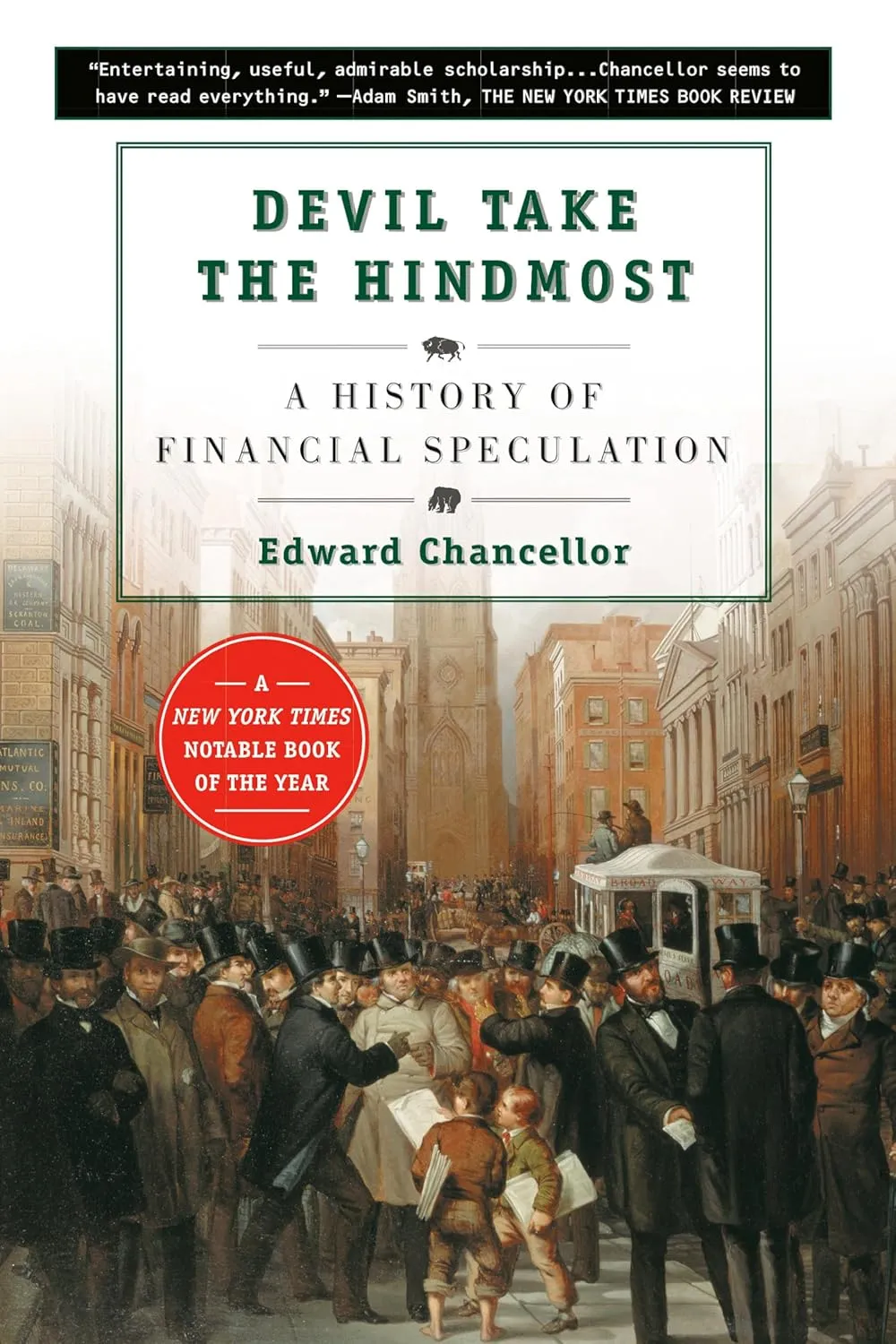
Devil Take the Hindmost: A History of Financial Speculation
by Edward Chancellor · 1999 · 368 pages
Edward Chancellor's history of financial speculation from 17th century Amsterdam to the AI bubble of the 2020s. A financial historian traces the anatomy of speculative manias and the recurring patterns that make them predictable.

Die With Zero: Getting All You Can from Your Money and Your Life
by Bill Perkins · 2020 · 243 pages
Bill Perkins argues against over-saving. Your goal should be to spend your last dollar on your last day, maximizing life experiences while you have the health and energy to enjoy them, not dying with a large estate.
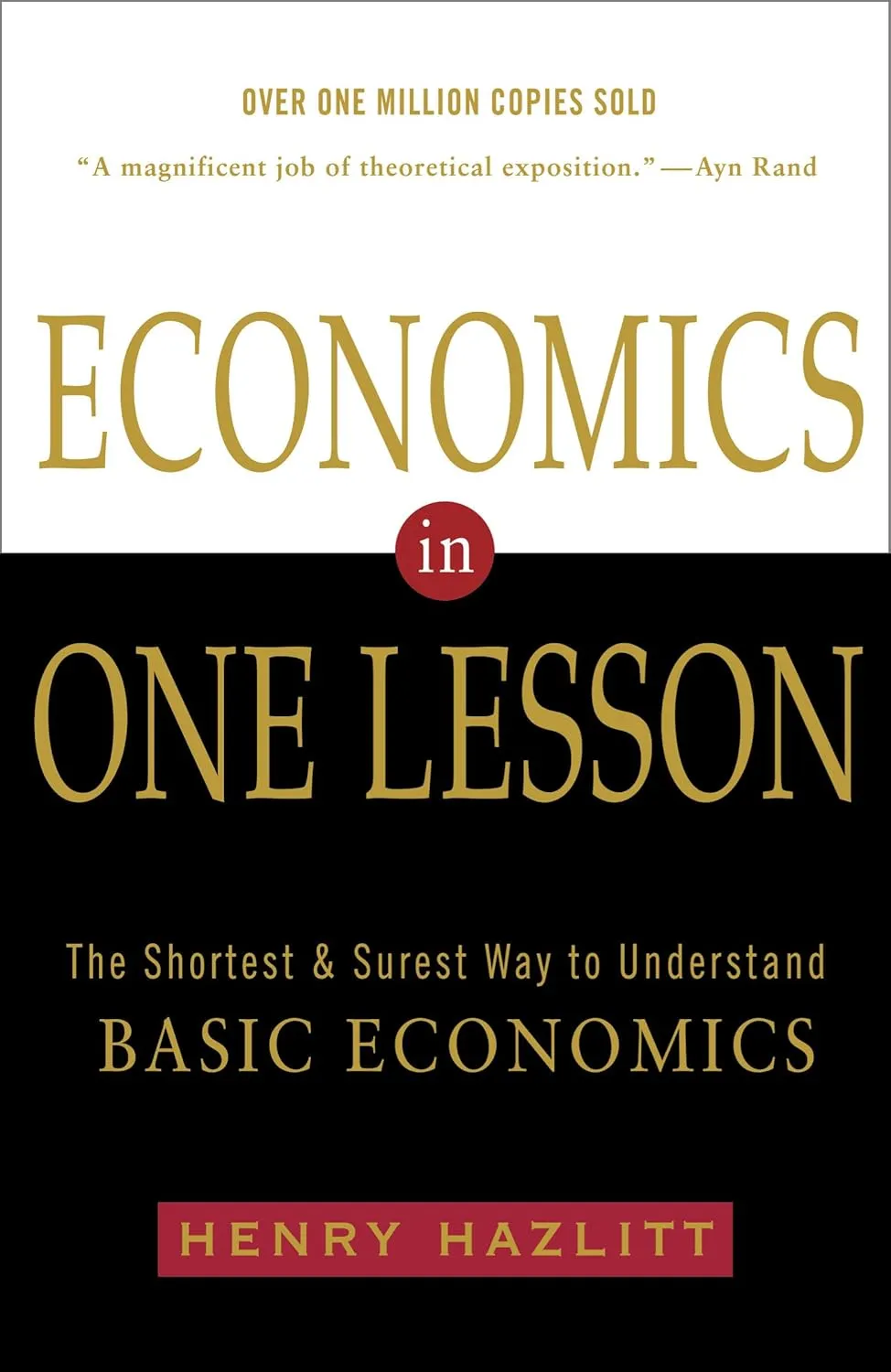
Economics in One Lesson
by Henry Hazlitt · 1946 · 218 pages
Henry Hazlitt's timeless classic distills all economics into a single lesson: consider the effects of any policy not just on one group but on all groups, and not just in the short run but in the long run. Essential reading for every investor and citizen.

Extraordinary Popular Delusions and the Madness of Crowds
by Charles Mackay · 1841 · 752 pages
Charles Mackay's 1841 classic chronicles the tulip mania, South Sea Bubble, Mississippi Scheme, and other mass manias. The original study of crowd psychology and speculative excess, still relevant in the age of meme coins and crypto bubbles.
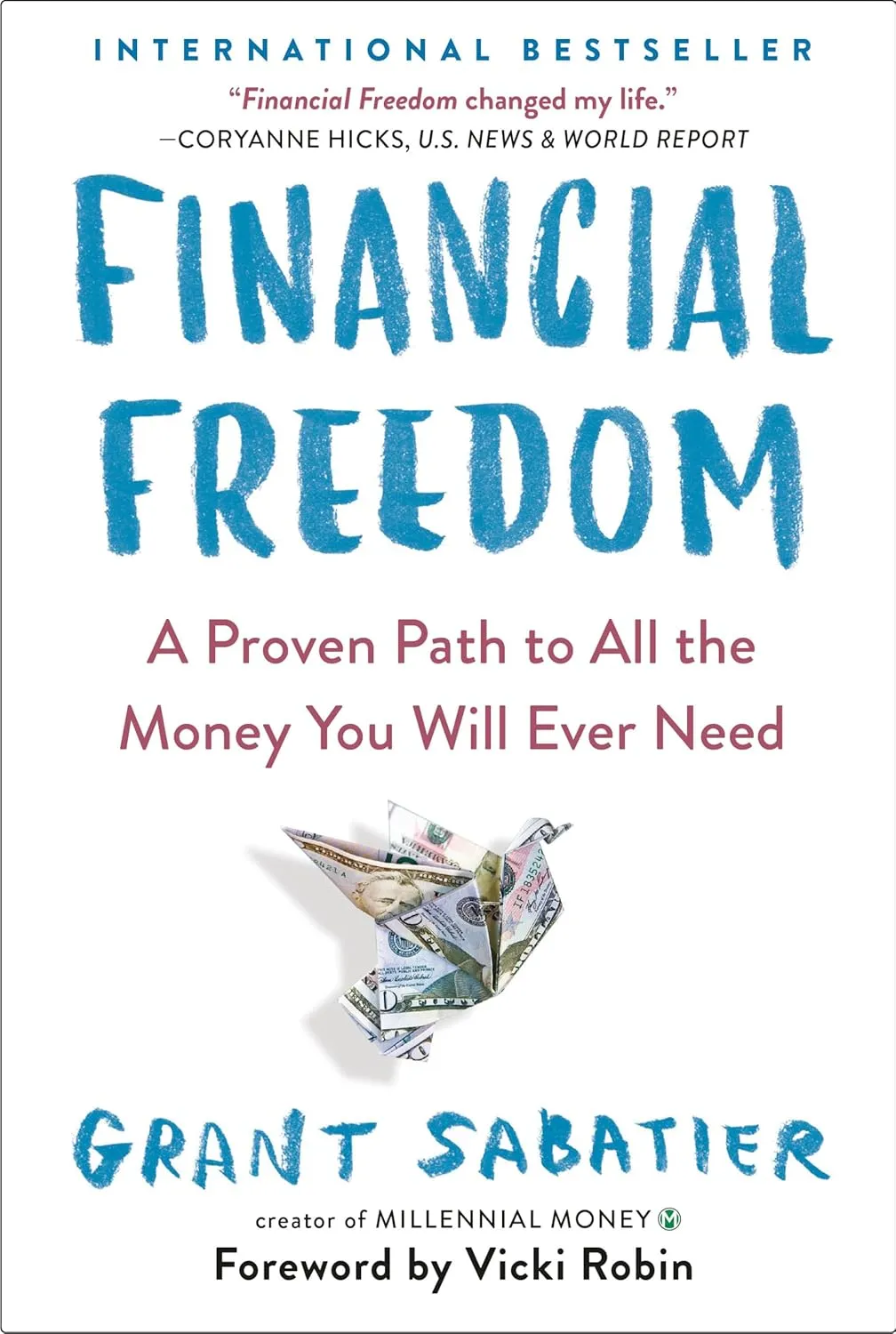
Financial Freedom: A Proven Path to All the Money You Will Ever Need
by Grant Sabatier · 2019 · 320 pages
Grant Sabatier went from $2.26 to $1.25 million in five years. His book lays out the math, the income strategies, and the investing framework. But the critique about privilege and applicability is worth examining.
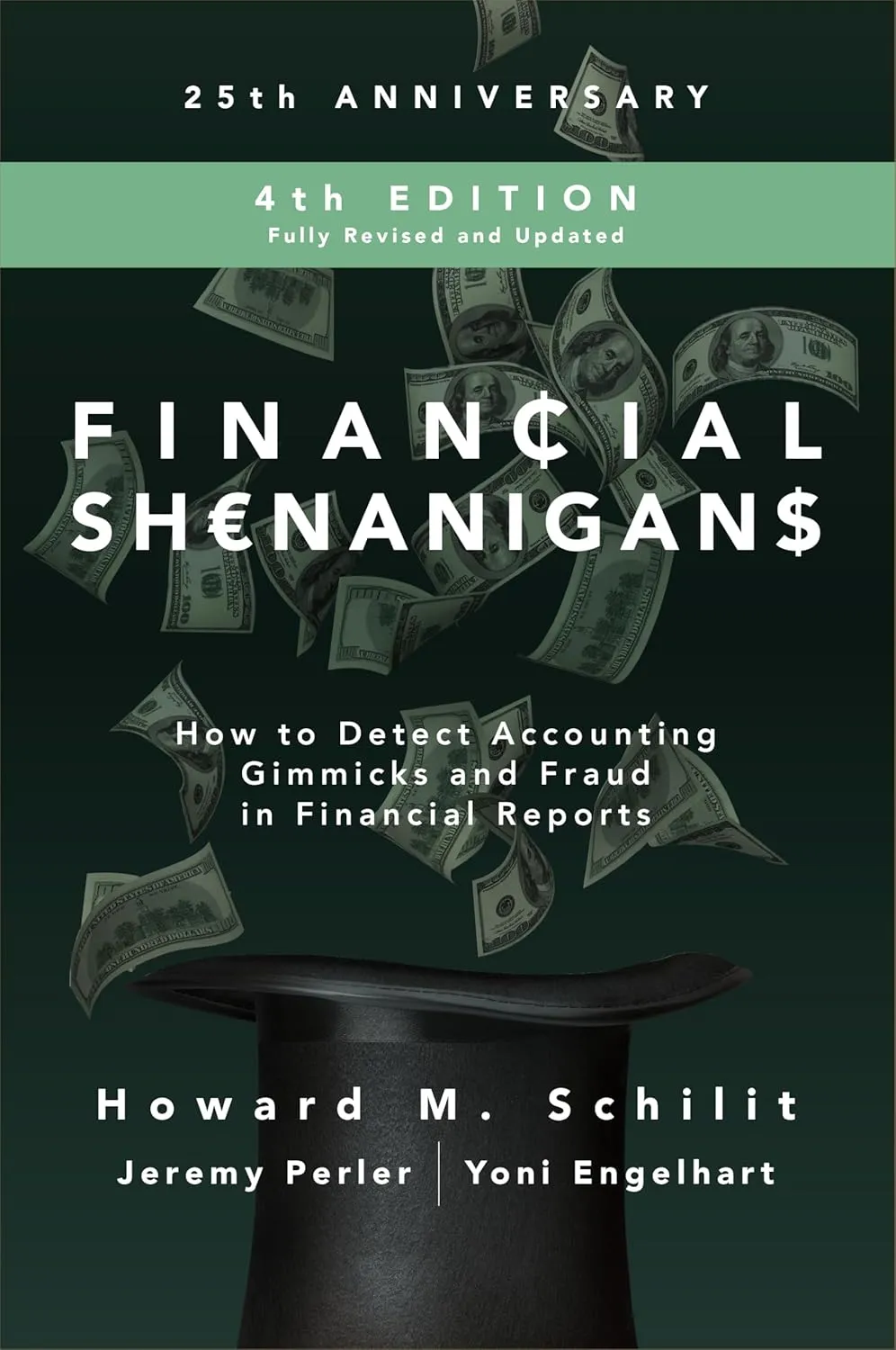
Financial Shenanigans: How to Detect Accounting Gimmicks and Fraud in Financial Reports
by Howard Schilit & Jeremy Perler · 1993 · 352 pages
Howard Schilit's essential guide to detecting accounting manipulation and financial fraud. Learn the seven earnings manipulation schemes and six cash flow shenanigans that companies use to deceive investors, with real-world cases from Enron to 2026.
Financial Statements: A Step-by-Step Guide to Understanding and Creating Financial Reports
by Thomas R. Ittelson · 1998 · 304 pages
Thomas Ittelson's visual, jargon-free guide to reading and understanding financial statements. The single best book for investors and business owners who want to understand balance sheets, income statements, and cash flow statements without an accounting background.