
Real Life Money
9 min read
The Money Talk to Have Before You Move In Together
Moving in together without a money talk is how couples discover $30,000 of secret debt in month two. Here is exactly what to discuss and when. See the checklist.
 Savvy Nickel
Smart saving and investment advice for every stage of life. From teenagers taking their first financial steps to adults planning for retirement.
Learn the fundamentals of investing and build wealth for the long term, no matter your age or experience level.
Discover practical strategies to save money on everyday expenses and build your emergency fund.
Access bite-sized financial lessons that fit your schedule and help you make better money decisions.
Stay up to date with our newest articles on saving, investing, and building financial independence.
Moving in together without a money talk is how couples discover $30,000 of secret debt in month two. Here is exactly what to discuss and when. See the checklist.

A summer job can earn a teen $2,500 to $4,000 and, managed right, teach more about money than a year of allowance. Taxes, Roth IRAs, and the split system inside. Full guide.

Tuition is the obvious cost. This checklist covers what college really costs (fees, housing, books, banking, aid renewal) and the systems that prevent a financial mess by November. Checklist inside.

Back to school now costs families over $860 per household, and that is before the fees nobody warns you about. This checklist covers supplies, hidden fees, and the year-round rhythm that ends the August scramble.

Filing taxes is easy when the paperwork is already in a pile. This checklist covers every document to gather, when each form arrives, and what changed for tax year 2026. Get organized before January.

Most money resolutions collapse by February because they are wishes, not systems. Here is the goal structure that survives: one outcome goal, a few system goals, and automation that removes willpower from the equation.
Find exactly what you're looking for with our organized content categories.
Start your investment journey with beginner-friendly guides.
Plan for a secure retirement at any age with research-backed guidance.
Make the most of compound time — the money moves that matter most early on.
Practical money decisions for everyday financial situations.
Understand the mental side of money and make smarter decisions.
Financial basics built for teenagers just starting out.
Insurance, fraud prevention, and asset protection to keep what you've built.
Discover our most-read guides on saving, investing, and building financial independence.

Chapter 7 stays on your credit report 10 years, Chapter 13 for 7. But 99% of non-dismissed Chapter 7 cases discharge. Here is how to rebuild from zero.

A 5-year financial plan bridges short-term budgeting and long-term retirement. It is long enough to pay off $30,000 in debt or save a house down payment, and short enough to stay motivated. This 5-step framework works for any age: 20s, 30s, 40s, or 50s.

Most people accept the first offer they get. That single decision can cost them hundreds of thousands of dollars over a career. Here is how to negotiate, and why the stakes are higher than they appear.
Run the real numbers on your money. Interactive tools with plain-English explanations.
Project your dividend income year by year, track your yield on cost, and see how reinvesting dividends accelerates portfolio growth. Includes tax adjustments and dividend growth.
Open →Turn your balance sheet and income statement into liquidity, profitability, and leverage ratios with health ratings and industry context.
Open →Calculate your 2026 federal income tax with a bracket-by-bracket breakdown. See how 401(k), IRA, and HSA contributions shrink your taxable income and your tax bill.
Open →Project how your starting amount and monthly contributions grow over time. See both nominal and inflation-adjusted results so you know what your money will actually be worth.
Open →Estimate your full monthly payment including principal, interest, property taxes, insurance, and HOA. See your total interest cost and a year-by-year amortization schedule before you commit to a loan.
Open →Find the right mix of stocks, bonds, and cash for your age and risk tolerance, with dollar amounts and a glide path projection toward retirement.
Open →Our top-rated book reviews to accelerate your financial education and investing knowledge.
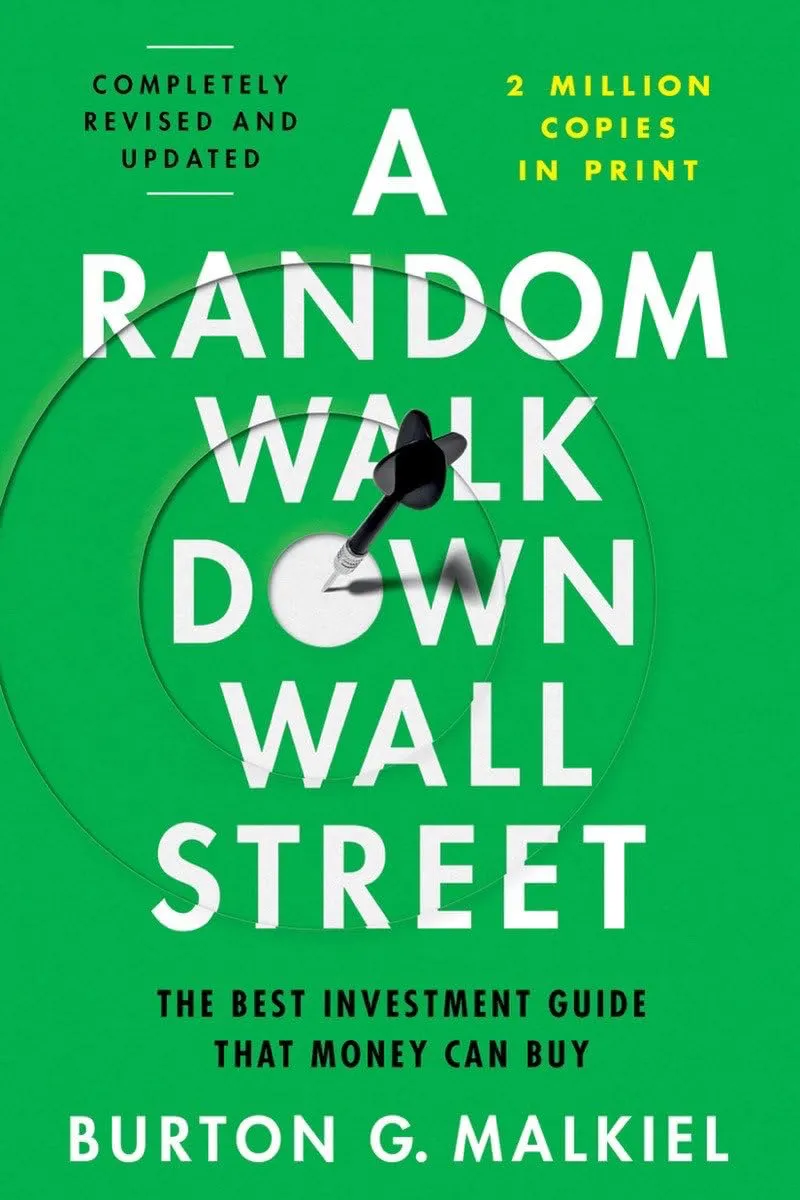
by Burton G. Malkiel
Burton Malkiel argues that stock prices move randomly enough that index funds beat active management. Now in its 13th edition, the SPIVA data through 2025 keeps proving him right. Our full review covers what holds up and what does not.

by Peter L. Bernstein
Peter Bernstein traces how humanity learned to measure risk, from Greek dice games to Black-Scholes. Our review covers what holds up, where fat-tail research has moved beyond the book, and why regression to the mean still matters for investors in 2026.
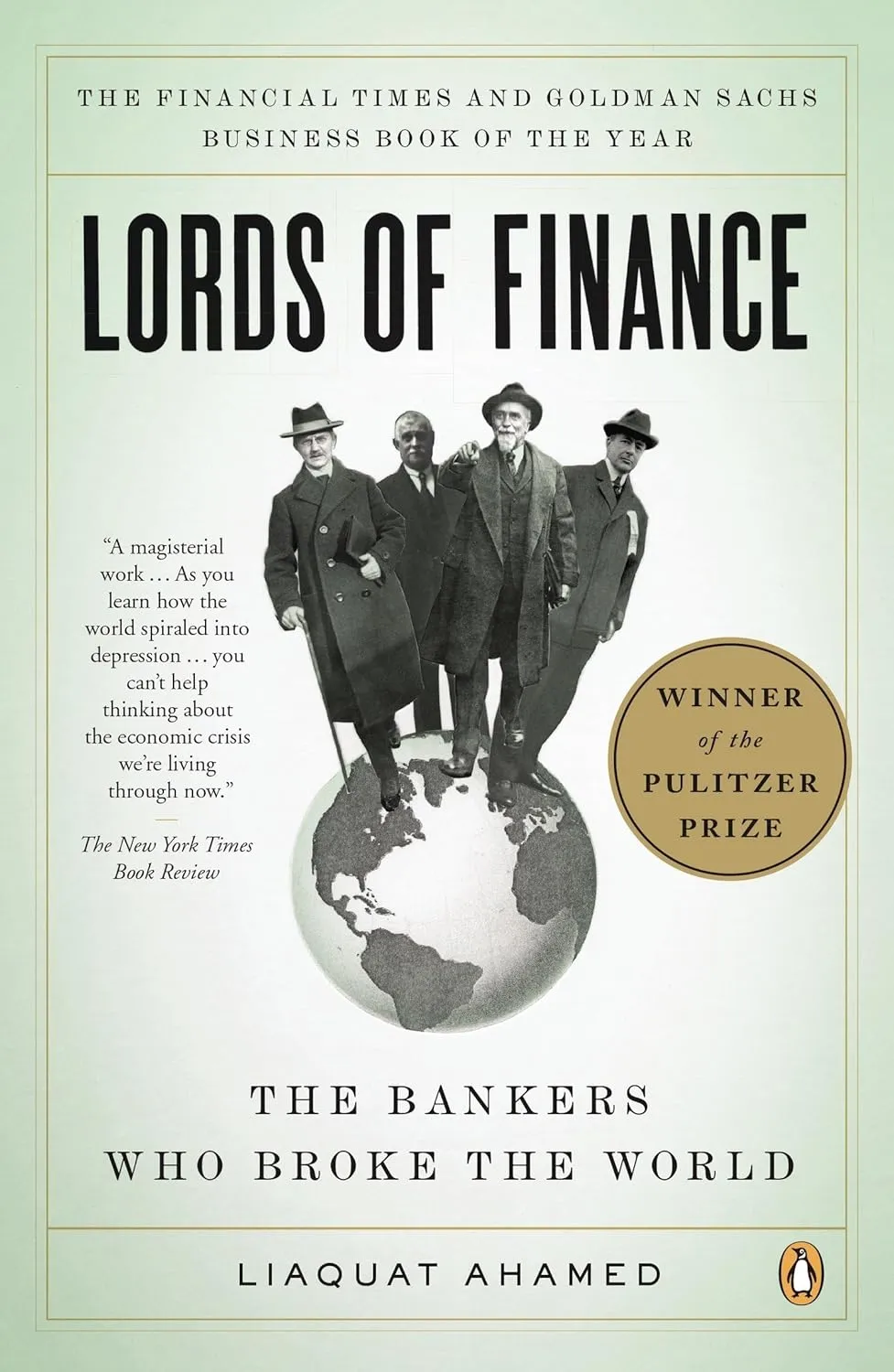
by Liaquat Ahamed
Pulitzer Prize-winning account of the four central bankers who presided over the 1920s boom and failed to prevent the Great Depression. A masterwork of financial history that explains the policy errors that turned a recession into the worst economic catastrophe in modern history.
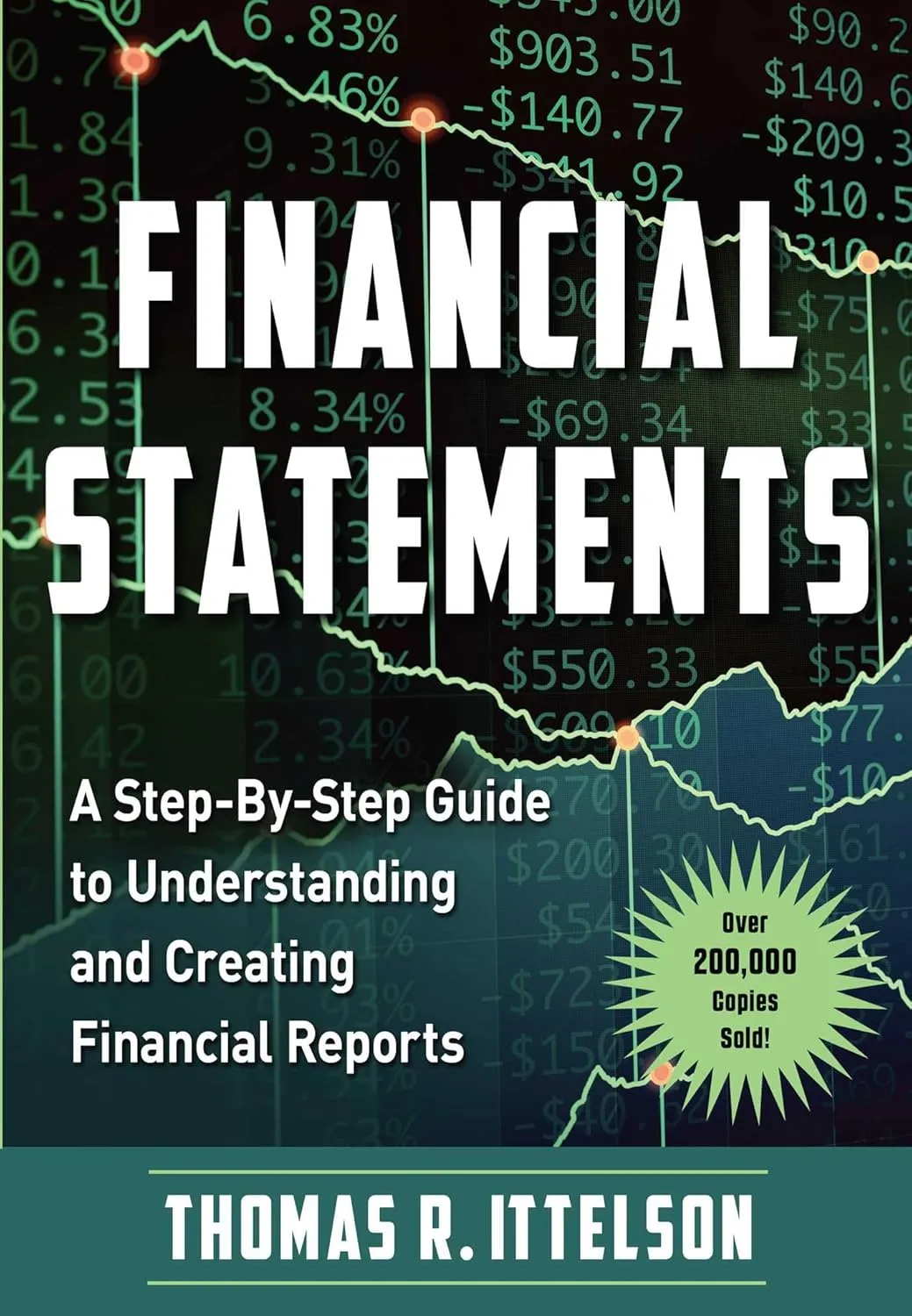
by Thomas R. Ittelson
Thomas Ittelson's visual, jargon-free guide to reading and understanding financial statements. The single best book for investors and business owners who want to understand balance sheets, income statements, and cash flow statements without an accounting background.
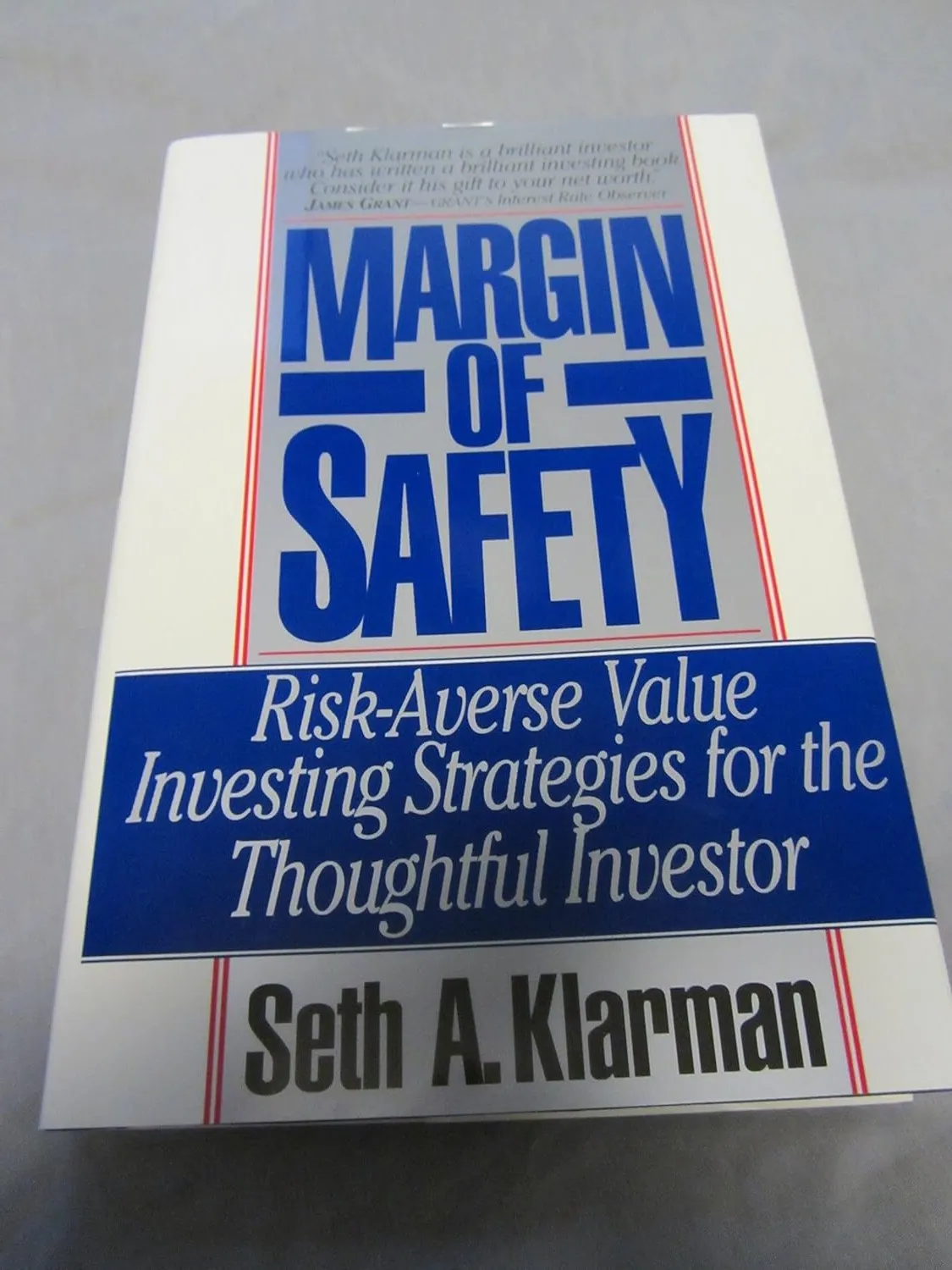
by Seth Klarman
Seth Klarman's 1991 value investing masterwork is out of print and sells for $1,000+ used. Our review covers how Baupost's recent struggles test Klarman's principles, what value vs growth data from 2025 says about the margin of safety approach, and whether the book's ideas still work.
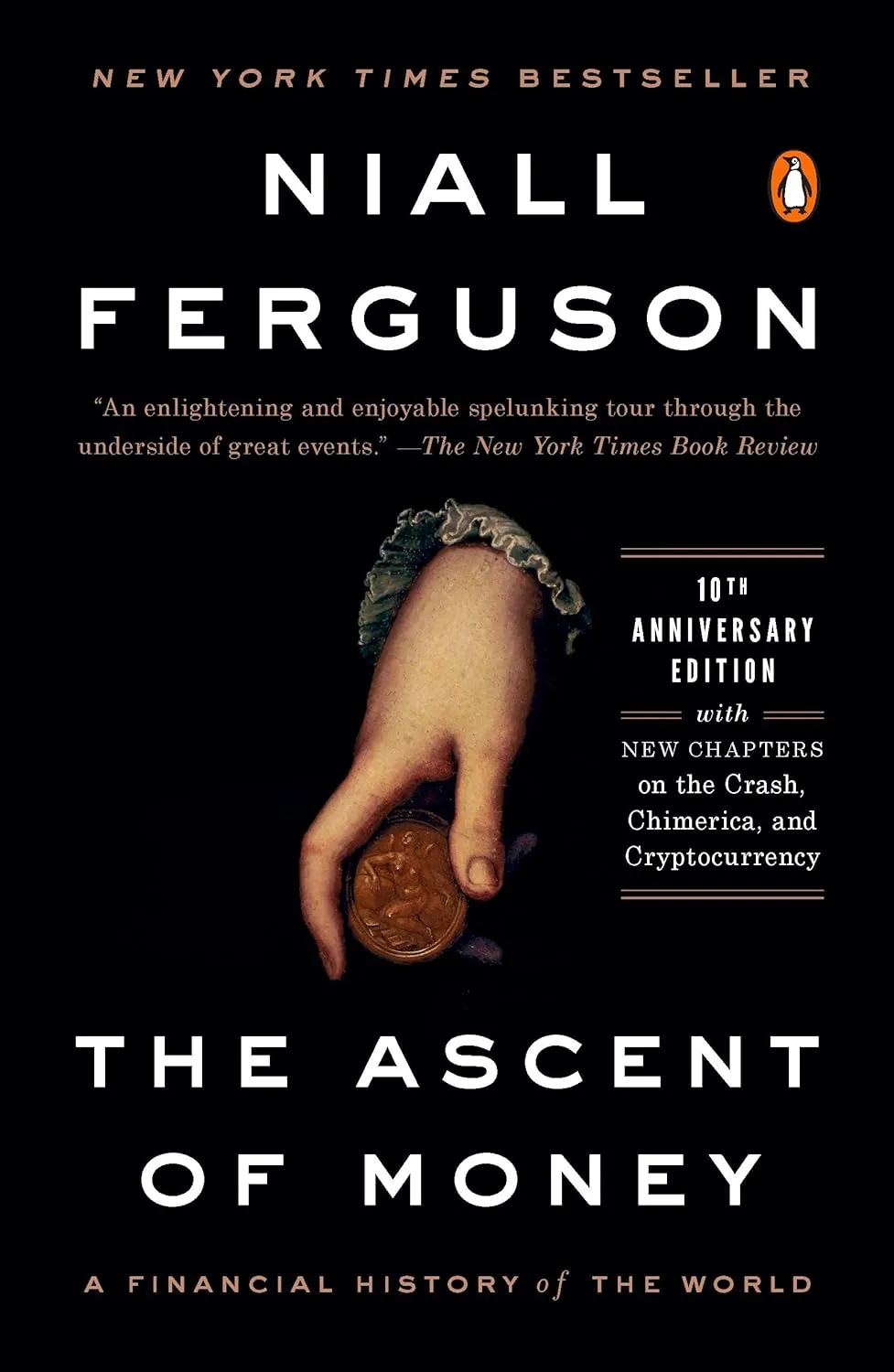
by Niall Ferguson
Niall Ferguson's history of finance from ancient Mesopotamia to the 2008 financial crisis. A single-volume account of how financial innovations shaped civilization, and why understanding financial history is essential for every investor.
Master these essential financial concepts to build your financial literacy and make smarter money decisions.
Every guide on Savvy Nickel is written to be readable, not impressive. No finance degree required, no jargon left unexplained, no condescension about what you should already know. Whether you are a teenager opening your first savings account or an adult in your 50s trying to figure out Social Security timing, the answer is here and it is written for you.
Topics span budgeting, investing, debt, taxes, retirement, and the psychology behind money decisions. Each post is researched, structured around what readers actually search for, and updated to reflect current figures and rules.
Browse all articlesFinancial decisions are easier when you run the actual numbers. Our free calculators cover compound interest, debt payoff timelines, retirement savings gaps, Roth vs Traditional IRA comparisons, rent vs buy breakdowns, and much more. Each one comes with a plain-English explanation of what the numbers mean and what to do with them.
No signup required, no paywall, no upsells. Just honest tools built to help you make better decisions with the money you have right now.
Open the calculatorsFinance is full of terms that sound complicated but are not, once someone explains them without the industry speak. Our glossary covers over 480 terms, from the basics like APR and compounding to advanced concepts like dollar-cost averaging, sequence of returns risk, and tax-loss harvesting.
Use it as a quick reference when a term pops up in an article, or explore it alphabetically when you want to build your financial vocabulary from scratch. Every definition links to related articles so you can go deeper on any topic.
Explore the glossaryThe right book at the right moment can change how you think about money for the rest of your life. Our reading list covers 92 titles across every major personal finance topic: investing, debt, retirement, wealth-building psychology, and first-time financial education for teens and young adults.
Each review includes a plain summary, who the book is best suited for, a difficulty rating, and an honest take on whether it is worth your time. No affiliate padding, no paid placements. Just the books we genuinely think will help.
Browse the reading listSavvy Nickel was built on one principle: financial education should be free, honest, and accessible to everyone. Whether you are 15 with your first part-time job or 52 trying to catch up on retirement savings, the guidance here is grounded in research, written without hidden agendas, and designed to help you make better decisions with your actual life and money.
Get weekly tips on saving, investing, and building wealth delivered straight to your inbox.