*Disclosure: This article contains affiliate links. If you purchase through these links, we may earn a commission at no additional cost to you. We only recommend books we genuinely believe in.
Quick Overview
Most traders lose money. A landmark study by Brad Barber and Terrance Odean at UC Davis analyzed 66,000 retail brokerage accounts and found that active traders underperformed buy-and-hold investors by 6.5% annually. Elder wrote this book to explain why that happens and how to stop being part of that statistic. His answer is not a secret indicator or a hot tip. It is a framework built on what he calls the Three Ms: Mind, Method, and Money Management. Skip any one of the three and the other two cannot save you.
Book Details
| Attribute | Details |
|---|---|
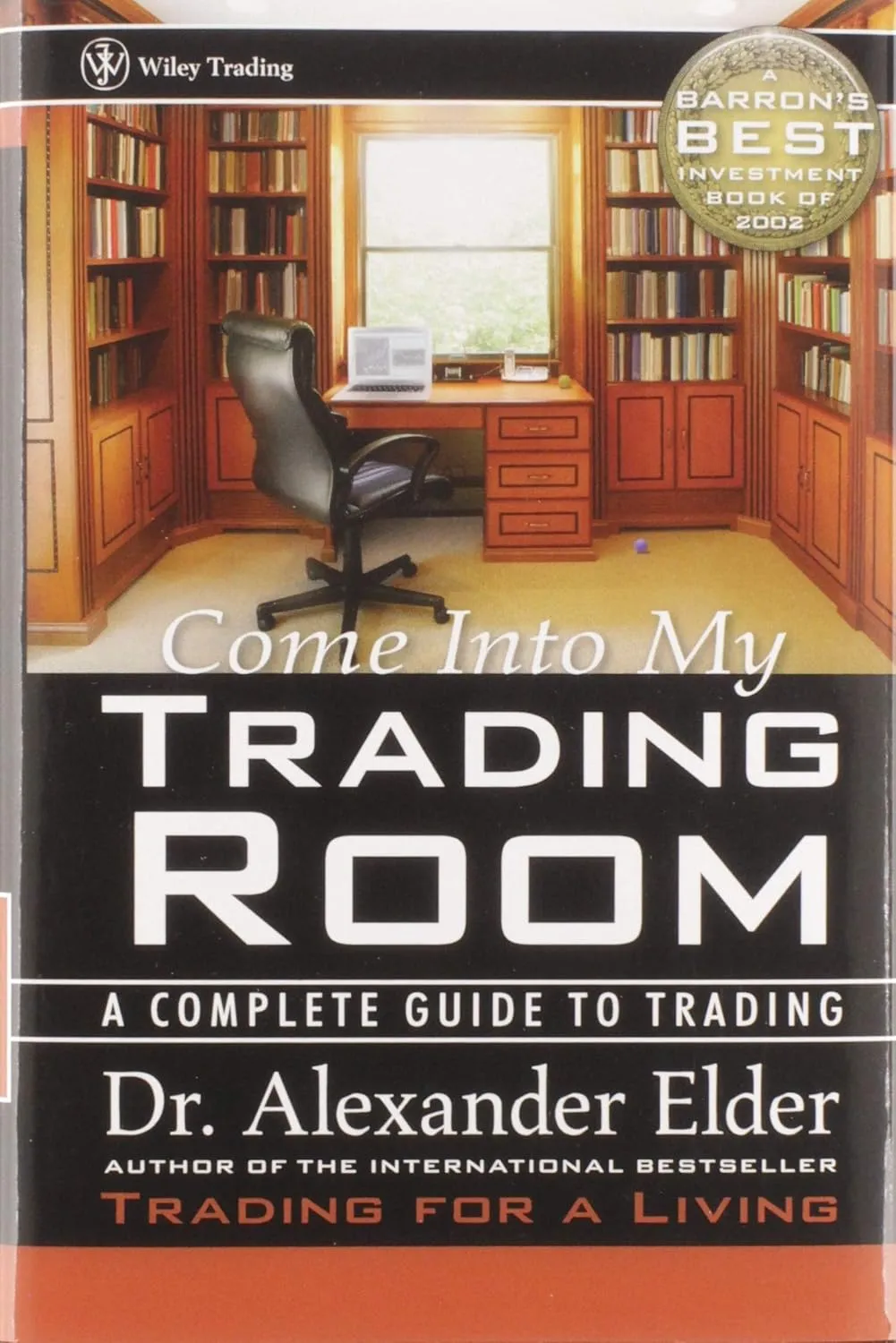
| Title | Come Into My Trading Room |
| Author | Dr. Alexander Elder |
| Publisher | Wiley |
| Published | 2002 |
| Pages | 320 |
| Reading Level | Intermediate |
| Amazon Rating | 4.5/5 stars |
Get Your Copy
Hardcover: Buy on Amazon
Kindle: Buy on Amazon
About the Author
Dr. Alexander Elder was born in the Soviet Union and escaped to the United States as a political refugee. He practiced psychiatry in New York before turning to full-time trading. His psychiatric training gives him a perspective most trading authors lack: he understands that the market is a machine designed to exploit human emotional weaknesses. He applies clinical frameworks for understanding human behavior to the challenge of consistent trading. His other books include Trading for a Living, Entries and Exits, and The New Trading for a Living.
The Three Ms of Trading
Elder's framework: every successful trader must master three interconnected disciplines, which he calls the Three Ms:
M1: Mind (Psychology)
The trader's psychological state is the primary determinant of trading outcomes. Technical skill without psychological discipline produces losses. Elder argues that trading is unique among professions in that the practitioner's emotional state directly affects the quality of execution in real time.
The key psychological challenges:
Greed: Manifests as overtrading, adding to winning positions without fresh analysis, refusing to take profits, and unrealistic return expectations.
Fear: Manifests as undersizing positions (limiting profit potential), exiting winning trades early, skipping valid signals, and paralysis during fast-moving markets.
Hope: The most dangerous emotion in trading. Hoping a losing position will recover causes traders to hold beyond their stop-loss level, turning small losses into catastrophic ones.
Regret: Causes traders to chase missed trades, entering late after a move has already occurred, at inferior risk/reward.
Elder's clinical analogy: He draws on his psychiatric background to compare the trading mind to an addiction. Markets provide variable-ratio reinforcement, the same reward mechanism that makes slot machines so addictive. Random occasional wins among predominantly losing trades train the brain to keep trying, making it very difficult to exit losing systems. This connects to what behavioral economists call loss aversion, the tendency to feel losses roughly twice as intensely as equivalent gains. Understanding your own psychological wiring is step one. If you struggle with impulse control in other areas of life, trading will amplify that weakness.
The psychological toolkit:
| Tool | Application |
|---|---|
| Pre-trading checklist | Mental state check before session begins |
| Trading journal | Document decisions and emotional state at time of trade |
| Hard rules for stops | Remove the emotional stop decision by pre-committing |
| Session time limits | Exhausted traders make poor decisions; set time limits |
| Post-session review | Calm analysis of what worked and what didn't |
M2: Method (Technical Analysis)
Elder covers the full technical analysis toolkit with a practitioner's focus on what actually works:
The value of technical indicators (Elder's ranking):
| Indicator | Type | Best Use |
|---|---|---|
| Moving averages | Trend-following | Identify direction; 13-day and 26-day EMA |
| MACD | Trend-following + momentum | Trend direction and momentum divergences |
| RSI | Oscillator | Overbought/oversold; divergences |
| Stochastic | Oscillator | Entry timing within trends |
| Elder-Ray | Momentum | Bull Power and Bear Power around EMA |
| Force Index | Volume × price change | Confirm breakouts with volume |
Moving average guidelines:
Elder recommends Exponential Moving Averages (EMA) over Simple Moving Averages because they weight recent data more heavily:
EMA = Previous EMA + K × (Current Price - Previous EMA)
K = 2 / (N + 1)
where N = number of periods
For a 13-period EMA: K = 2/(13+1) = 0.143
Key EMA levels:
| EMA Period | Use |
|---|---|
| 13-day | Short-term trend (Elder's primary) |
| 26-day | Medium-term trend |
| 200-day | Long-term trend (institutional benchmark) |
The Elder-Ray indicator:
Elder developed his own indicator combining an EMA with two components that measure the strength of bulls and bears:
Bull Power = Daily High - 13-day EMA
Bear Power = Daily Low - 13-day EMAM3: Money Management
Elder devotes extensive coverage to money management, the mathematics of position sizing and risk control. He argues this is the most neglected and most important component of trading. Most traders focus on finding good entry points and ignore position sizing entirely. Elder shows that a mediocre system with excellent money management outperforms a great system with poor money management over time.
The 2% Rule:
Never risk more than 2% of account equity on any single trade.
Maximum Risk per Trade = Account Equity × 2%
Position Size = Maximum Risk per Trade / (Entry Price - Stop Price)
Example:
| Account | 2% Risk | Entry | Stop | Position Size |
|---|---|---|---|---|
| $50,000 | $1,000 | $50.00 | $48.00 | 500 shares |
| $50,000 | $1,000 | $50.00 | $47.00 | 333 shares |
| $100,000 | $2,000 | $50.00 | $48.00 | 1,000 shares |
The 6% Portfolio Rule:
Never risk more than 6% of account equity across all open positions simultaneously.
Why: If five positions hit their stops simultaneously (which can happen in a broad market selloff), the maximum portfolio damage is 6%, painful but recoverable. Without this rule, catastrophic correlation events can wipe out large percentages of capital. You can use our investment return calculator to model how different loss scenarios affect your portfolio over time.
The account size and trading costs:
Elder includes a crucial calculation that most trading books omit: minimum account size to trade profitably after commissions and spreads.
Minimum Account for Day Trading = Daily break-even costs / Maximum daily risk %With $50 in daily commissions and spread costs (realistic for active trading), and a 2% daily risk limit, you need at least $2,500 to have the commissions represent less than 2% of capital. Most individual traders start with insufficient capital, making commission costs proportionally devastating.
The Triple Screen Trading System
Elder's most important contribution to technical analysis: the Triple Screen system, which uses multiple time frames to filter trades.
Screen 1: The Tide (Weekly Chart)
Identify the primary trend using the weekly chart. Only trade in the direction of the weekly trend.
Tools for Screen 1:
Rule: If the weekly MACD histogram is rising, the tide is up, only take long trades. If falling, only take short trades.
Screen 2: The Wave (Daily Chart)
Use the daily chart to find a pullback against the weekly trend to enter at a better price.
For uptrending (weekly) markets:
For downtrending (weekly) markets:
The logic: Trading with the weekly trend but entering on daily counter-moves provides better risk/reward than chasing breakouts. You enter close to support (in uptrends) or resistance (in downtrends), allowing tighter stops. This approach helps manage volatility by avoiding entries during the most chaotic price movements.
Screen 3: The Ripple (Intraday or Next-Day Entry)
Use a trailing buy stop or sell stop to enter only if price confirms the expected direction.
For long trades:
The trailing stop entry:
This is one of Elder's most valuable refinements. Instead of entering at the current price when Screen 2 signals, you wait for price to confirm upward momentum. This eliminates many losing trades that look good on the oscillator but continue to fall.
Trading Diaries and Performance Tracking
Elder advocates keeping detailed trading diaries as the primary tool for self-improvement:
The trading diary entries:
| Entry | What to Record |
|---|---|
| Pre-trade | Thesis, entry price, stop, target, emotional state |
| During trade | Any adjustments and reasoning |
| Post-trade | Actual outcome vs. thesis, what worked, what failed |
| Weekly review | Win rate, average win/loss ratio, best and worst decisions |
The performance metrics to track:
Win Rate = Winning trades / Total trades
Average Win / Average Loss Ratio = Average profit on winners / Average loss on losers
Expected Value per Trade = (Win Rate × Avg Win) - (Loss Rate × Avg Loss)
A system with 40% win rate and 2:1 win/loss ratio has positive expected value:
Expected Value = (0.40 × $200) - (0.60 × $100) = $80 - $60 = +$20 per tradeA system must have positive expected value to be worth trading. Most traders never calculate this.
The Organized Trader's Week
Elder provides a practical framework for trader time management:
Daily routine:
| Time | Activity |
|---|---|
| Before market | Review open positions, update stops, review watchlist |
| Market open | Monitor but avoid trading first 30 minutes (most volatile, most noise) |
| Mid-session | Primary trading window for setups |
| Before close | Review any end-of-day adjustments needed |
| After close | Update charts, journal, scan for tomorrow's candidates |
Weekly routine:
| Day | Focus |
|---|---|
| Sunday | Weekly chart review; identify primary trends for all watched markets |
| Daily | Daily chart review; identify triple screen setups |
| Friday | Performance review; psychological assessment of the week |
Comparing Elder to Other Trading Books
| Book | Strength | Limitation |
|---|---|---|
| Come Into My Trading Room | Complete framework (psychology + technique + money management) | Broad but not the deepest on any single component |
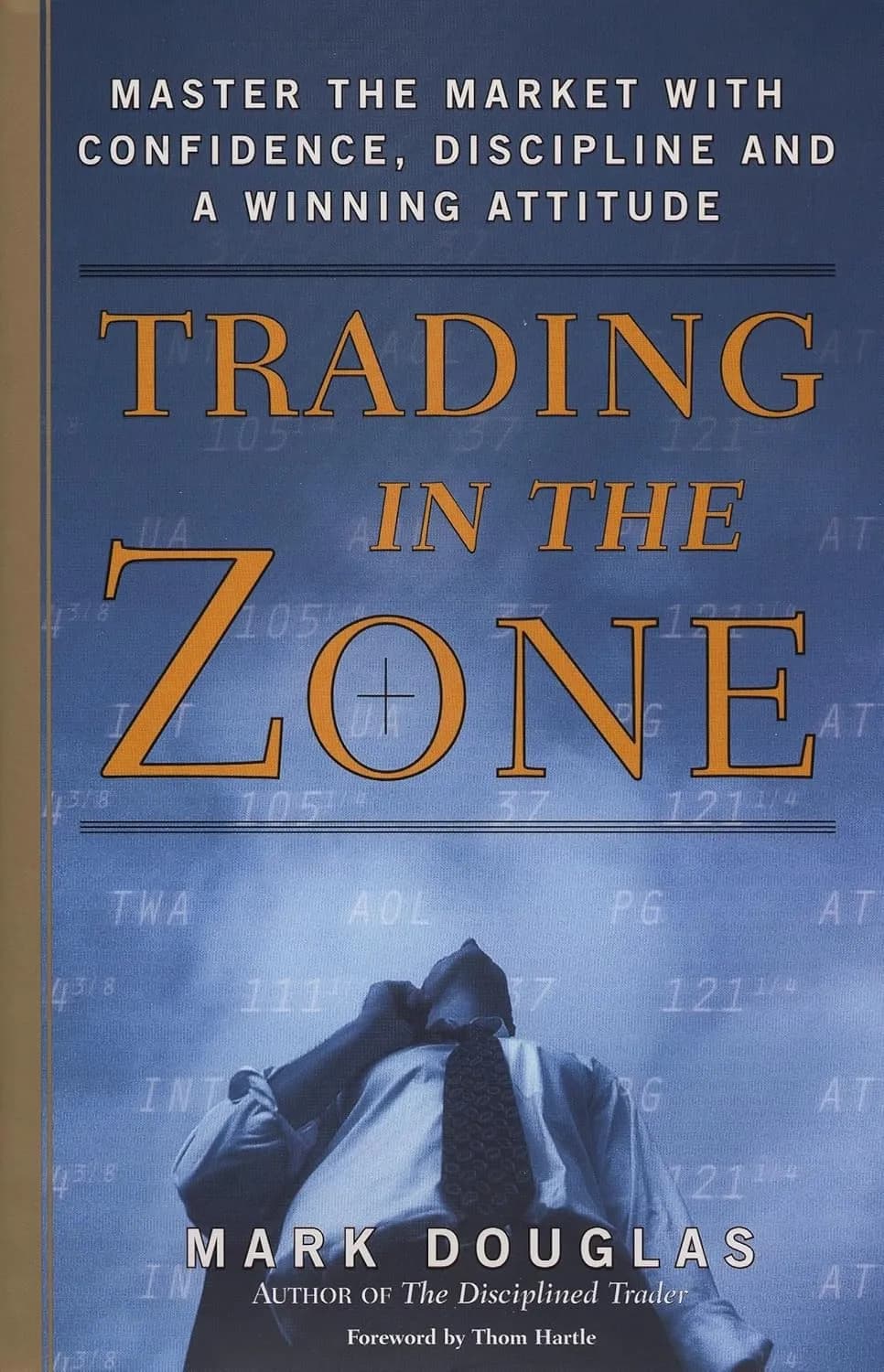
| Trading in the Zone (Douglas) | Deepest psychology treatment | No technical or money management content |
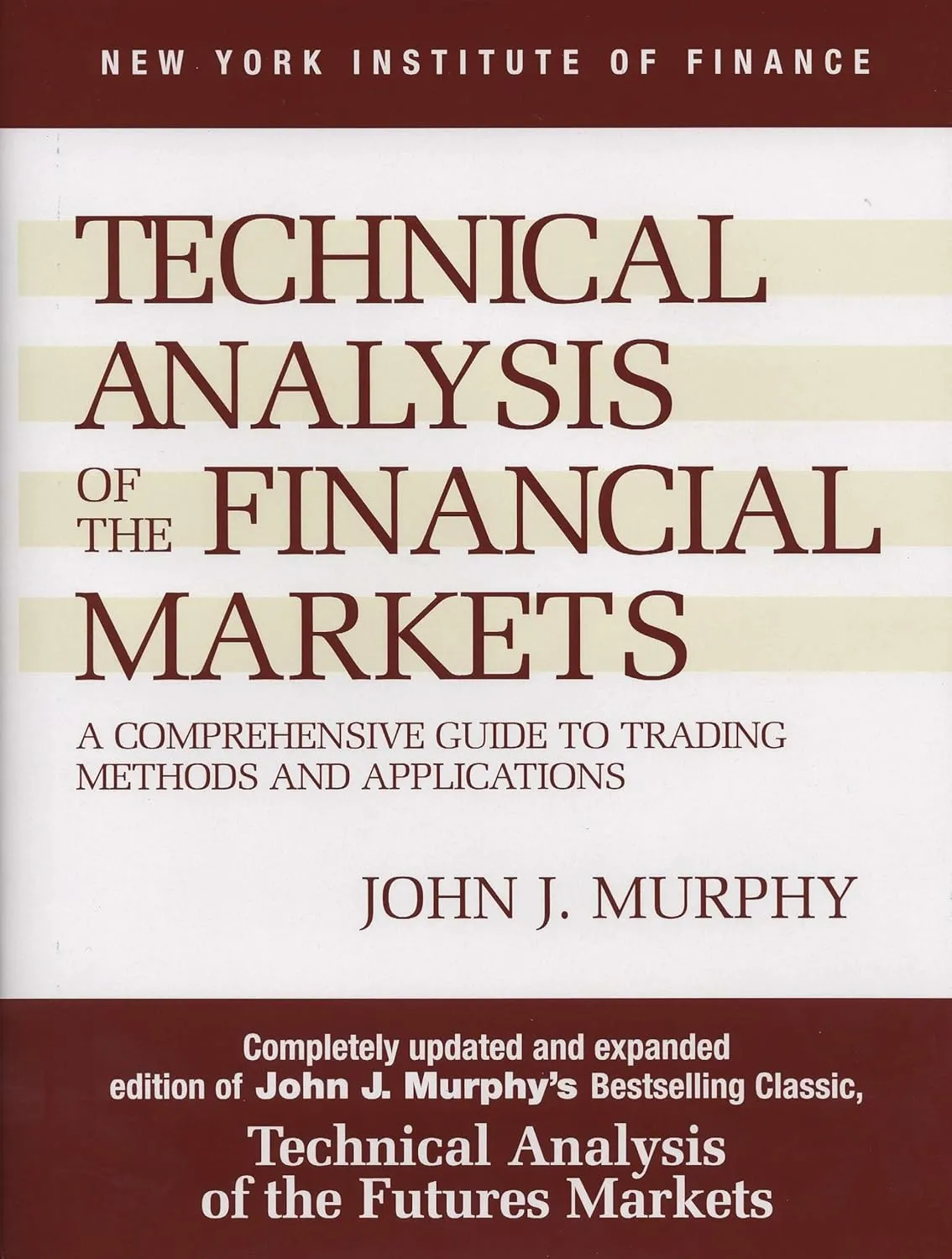
| Technical Analysis (Murphy) | Most detailed technical reference | No psychology or money management |
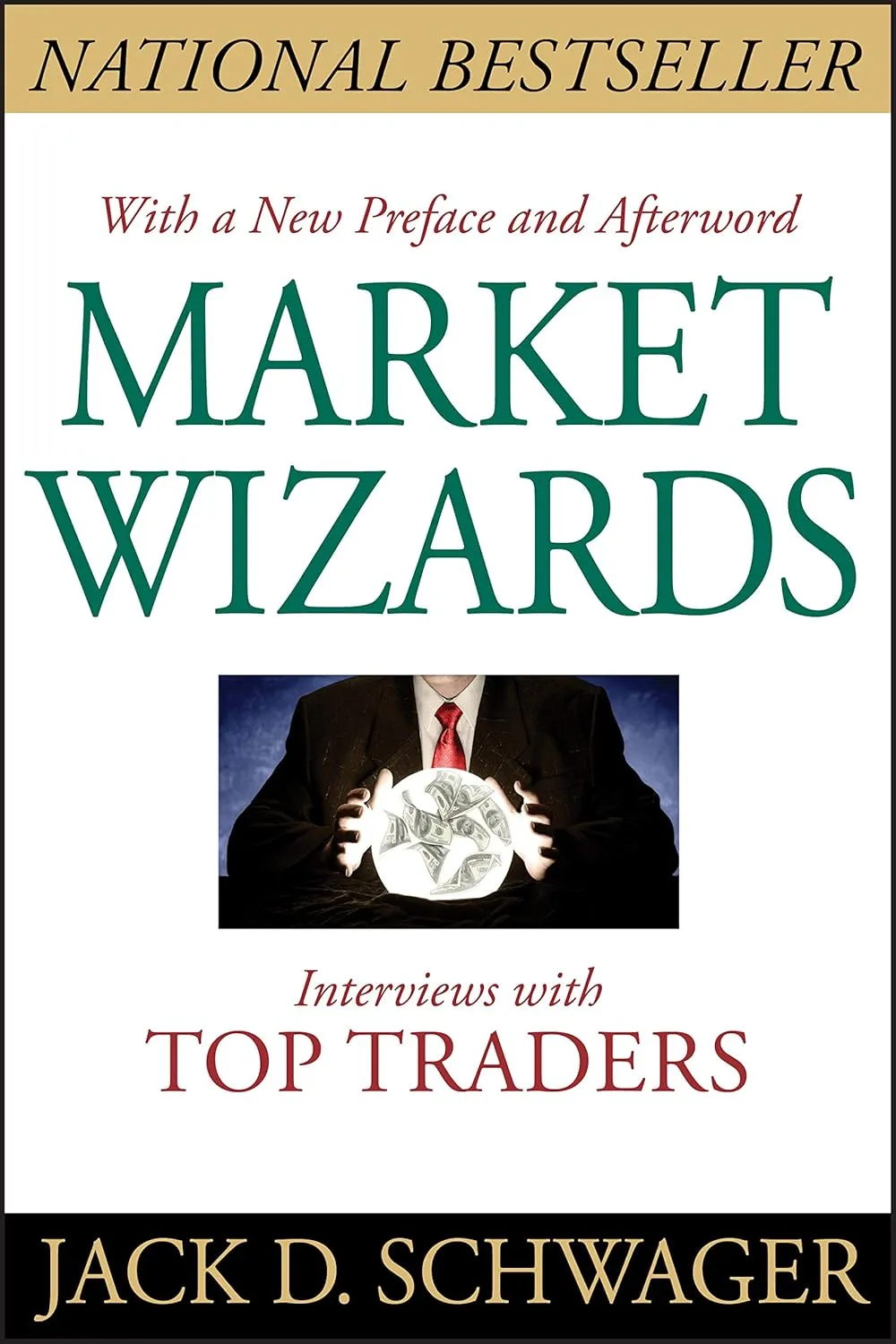
| Market Wizards (Schwager) | Best real trader interviews | No systematic how-to framework |
| Trend Following (Covel) | Best systematic trading case | Narrow focus; no discretionary guidance |
Elder's book is the most complete integration of all three components. Murphy is a better technical reference; Douglas is better for psychology specifically. But if you can only read one trading book, Elder's is the best single volume.
Strengths & Weaknesses
What We Loved
Areas for Improvement
Who Should Read This Book
Highly Recommended For
Probably Not For
Frequently Asked Questions
Q: Should I read Trading for a Living first?
A: Not necessary. Come Into My Trading Room is the more complete and updated version. If you enjoy this book, read Trading for a Living for additional material on indicators.
Q: Does the Triple Screen system actually work?
A: The Triple Screen is based on sound principles: trading in the direction of a higher time-frame trend and entering on counter-trend pullbacks. Live performance data is mixed. Results depend heavily on the trader's discipline in following the rules. The system eliminates many bad trades but requires patience. A 2024 analysis on Substack by trader Swapnil Nawale confirmed that the multi-timeframe filtering approach remains relevant, noting that its strength lies in "filtering opportunities that fit a systematic, disciplined approach" rather than chasing every market fluctuation. For most retail investors, though, a simpler approach like dollar-cost averaging into index funds will produce better results with far less stress.
Final Verdict
Rating: 4.5/5
Come Into My Trading Room is the most complete single-volume trading guide available. Its Three Ms framework, Triple Screen system, and money management mathematics provide everything a trader needs to build a disciplined approach. The 2% and 6% rules alone are worth the price of admission.
If you have been losing money trading and cannot figure out why, this book will show you. The answer is probably not your indicators. It is your psychology, your position sizing, or both. Read it, do the exercises, keep the journal, and follow the rules. If you are not willing to do those things, trading is not for you. Consider passive index investing instead.
Get Your Copy
Hardcover: Buy on Amazon
Kindle: Buy on Amazon
Prices current as of publication date. Free shipping available with Prime.