Competitive Advantage
Quick Definition
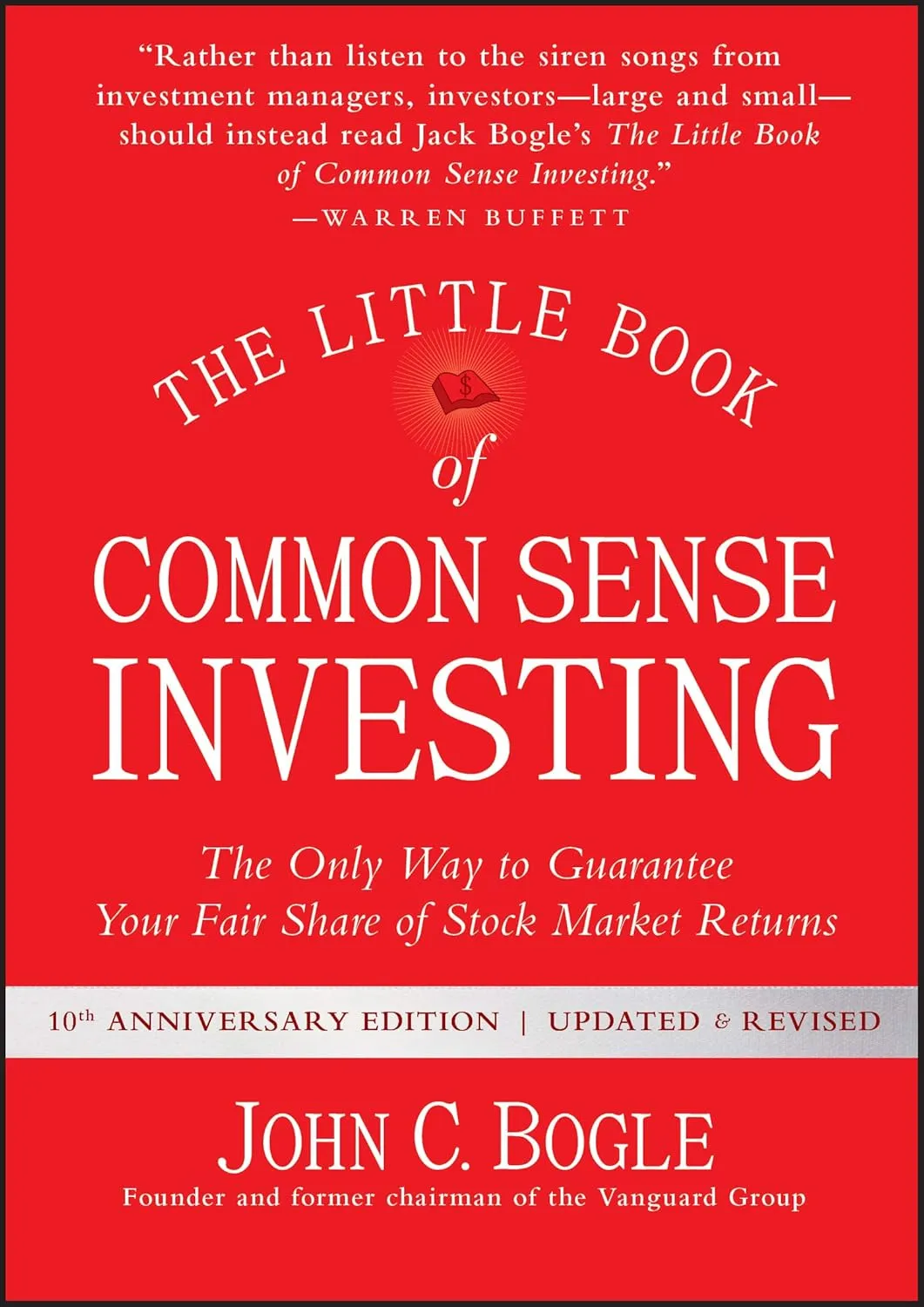
A competitive advantage is a structural edge that lets a company earn higher profits than its competitors and protect those profits from being competed away. Warren Buffett popularized the term "economic moat" to describe this protection. A company with a wide moat can fend off rivals for years or decades, generating returns on capital well above its cost of capital.
What It Means
Two companies can sell nearly identical products and earn wildly different profits over a decade. The difference usually comes down to competitive advantage: whether a business can defend its profits from rivals or watch competition erode them. In a free market, high profits attract competitors. Competitors cut prices, copy features, and spend on marketing. Without a structural barrier, profits get competed down to the cost of capital. A competitive advantage is what stops this from happening.
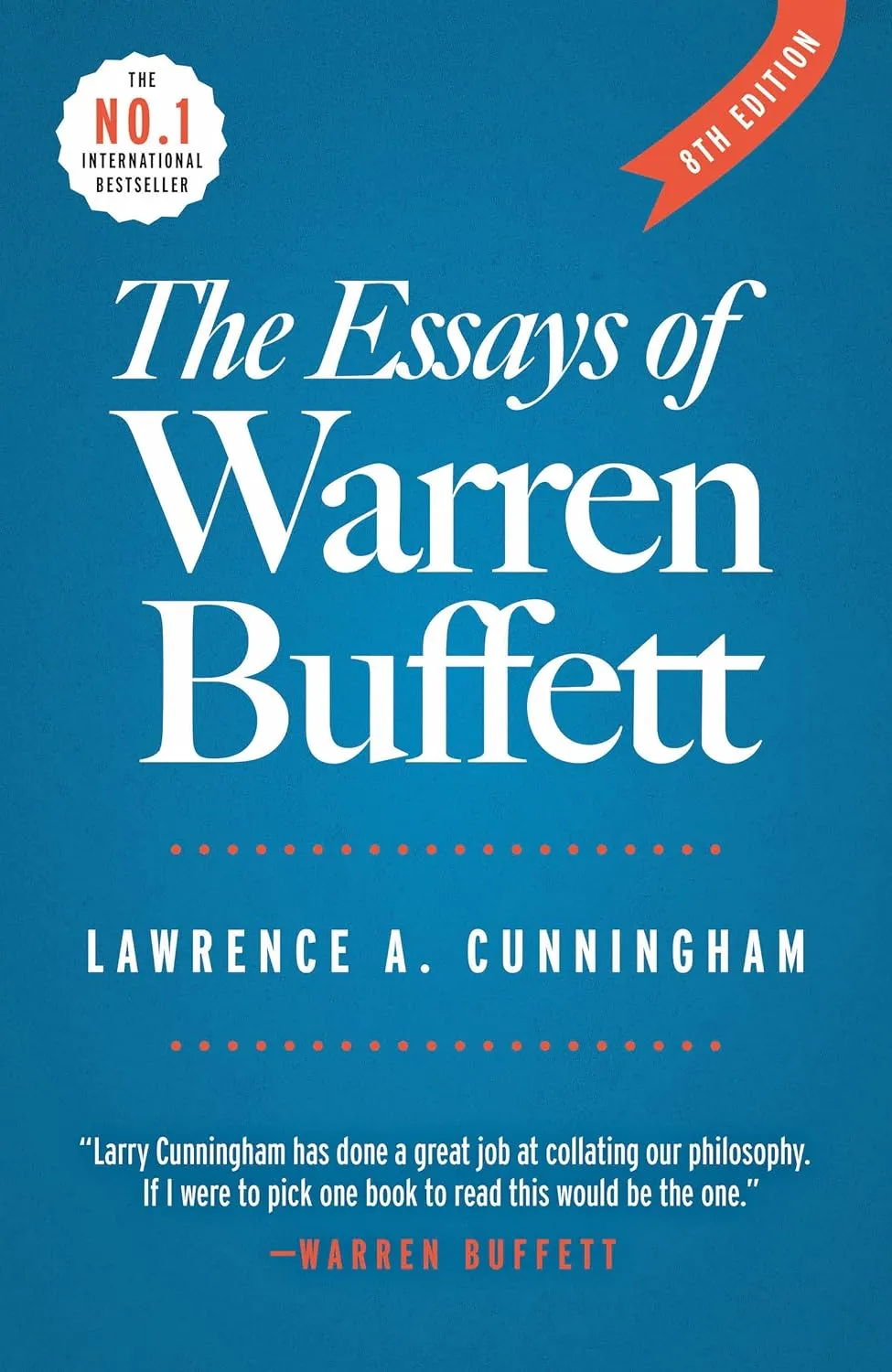
Warren Buffett described it as a moat around a castle. The castle is the business. The moat is the competitive advantage. The wider and deeper the moat, the harder it is for competitors to attack. Some moats are shallow (a clever marketing campaign) and dry up quickly. Others are deep (a patent on a life-saving drug) and last for years. The most durable companies do not rely on a single moat. They stack multiple advantages on top of each other, so even if one weakens, others remain.
A 2026 survey of SaaS founders by Designli found that 71.4% are continuously shipping new features to widen their technical moat. But the report also found that technical advantages are the easiest to replicate. The founders who built the most defensible businesses layered technical moats with proprietary data, switching costs, and network effects. A single moat can be breached. Stacked moats are nearly impenetrable.
Competitive advantage matters for investors because it drives long-term returns. Companies with durable advantages earn high returns on invested capital (ROIC). A 2026 survivorship-free audit of 16 fundamental stock screens on the S&P 500 found that ROIC was the most predictive metric for five-year forward excess returns, with a top-minus-bottom quintile spread of 3.0 percentage points per year. Companies that sustain high ROIC tend to be those with genuine competitive advantages.
How It Works
Sources of Competitive Advantage
Analysts commonly group durable competitive advantages into five sources:
| Source | How It Works | Examples |
|---|---|---|
| Intangible assets | Brands, patents, and regulatory licenses that competitors cannot copy | Coca-Cola brand, Pfizer patents, FDA approvals |
| Switching costs | The cost, disruption, and risk of switching to a competitor make staying the rational choice | Microsoft Windows, Salesforce CRM, bank relationships |
| Network effects | The product becomes more valuable as more people use it | Visa payment network, Airbnb marketplace, Meta social platforms |
| Cost advantages | Lower costs from scale, location, or process that competitors cannot match | Walmart supply chain, Amazon logistics, Geico direct model |
| Efficient scale | A market only big enough for one or two profitable competitors | Regional airports, pipelines, waste management |
How Moats Show Up in Financials
A competitive advantage is not just a story. It leaves evidence in the financial statements:
- High and stable ROIC: Companies earning 15%+ ROIC for a decade likely have a moat. The average large U.S. company earns about 10% ROIC.
- High gross margins: Gross margins above 40% that stay stable over time suggest pricing power, a sign of brand or switching cost advantages.
- Stable or growing market share: A company that holds or gains share in its industry for years has something competitors cannot easily overcome.
- Low customer acquisition costs relative to lifetime value: Companies with network effects or switching costs spend less to acquire customers because customers stay longer.
- Consistent free cash flow: Moats produce reliable cash generation because the business does not need to constantly spend to defend its position.
Moat Erosion
No competitive advantage lasts forever. Moats erode through:
- Technological change: The internet eroded the moat of local newspapers. Streaming eroded the moat of cable companies. AI may erode the moat of companies whose advantage is proprietary data that AI can now replicate.
- Regulatory change: Patent expiration opens markets to generics. Antitrust action can break up a company that relied on scale.
- New business models: Dollar Shave Club eroded Gillette's razor moat with a subscription model. New entrants can sometimes bypass an incumbent's advantage entirely.
- Complacency: Companies with strong moats sometimes stop innovating, letting competitors catch up. Sears had a massive retail moat and let Walmart and Amazon pass it by.
Real-World Examples
Example 1: Apple's Stacked Moats
Apple is the canonical example of moat stacking. Its competitive position is built from multiple layers:
- Network effects: iMessage and AirDrop create value because other people use Apple devices. Switching to Android means losing blue bubbles and easy sharing.
- Switching costs: Photos, contacts, apps, subscriptions, and purchased content live in the Apple ecosystem. Moving to Android means rebuilding years of digital life.
- Brand: Apple's brand lets it charge premium prices that competitors cannot match. An iPhone sells for $1,000+ while comparable Android phones sell for $600.
- Scale: Apple's manufacturing volume gives it component pricing power that smaller competitors cannot achieve.
- Technology: Custom silicon (A-series and M-series chips) provides performance advantages that take years to replicate.
Each layer reinforces the others. The network effect makes switching costly. The switching cost locks in customers who build brand loyalty. The brand supports premium pricing that funds R&D. The R&D produces technology that strengthens the network effect. This is why Apple has maintained dominant market share and 40%+ gross margins for over a decade.
Example 2: Caterpillar's Dealer Network
Caterpillar makes heavy equipment: bulldozers, excavators, mining trucks. Competitors build perfectly good machines. But Caterpillar's real advantage is not the iron. It is a network of roughly 156 independent dealers worldwide.
When a bulldozer breaks down at a mine 200 miles from the nearest city, every hour of downtime costs thousands of dollars. A Caterpillar dealer nearby has the part on a shelf, a technician in a truck, and a service contract promising fast repair. The customer did not buy yellow paint. They bought certainty that someone will show up.
This dealer network took a century to build. Competitors cannot replicate it quickly. It generates $24 billion in services revenue annually, growing whether or not anyone buys a new machine. The services revenue is high-margin and recurring, making Caterpillar's profits more durable than a company that only sells equipment.
Example 3: Visa's Network Effect
Visa operates a payment network connecting billions of cards, millions of merchants, and thousands of banks. The network effect is self-reinforcing: merchants accept Visa because consumers have Visa cards. Consumers carry Visa cards because merchants accept Visa. A competitor trying to build a new payment network faces a chicken-and-egg problem: merchants will not sign up until there are enough cardholders, and cardholders will not sign up until there are enough merchants.
Visa earns approximately 1.5% to 2.5% of every transaction on its network, with operating margins above 50%. The company's ROIC exceeds 30%, far above the average large company. The moat is so deep that regulators in multiple countries have tried to increase competition, with limited success. The network effect is one of the most durable competitive advantages because it strengthens automatically as the network grows.
Example 4: A Moat That Eroded
Sears once had one of the deepest moats in American retail: a century-old brand, a massive catalog operation, and thousands of stores in prime locations. For decades, it was the largest retailer in the United States.
The moat eroded on multiple fronts. Walmart built a cost advantage through supply chain efficiency and rural store placement, undercutting Sears on price. Amazon built a network effect and switching cost advantage through Prime membership, capturing the catalog shopper who once browsed Sears. Sears management failed to invest in its stores, letting the physical experience deteriorate.
By the time Sears recognized the threat, the moat was gone. The company filed for bankruptcy in 2018. The lesson: even deep moats erode if management does not invest in maintaining them. A competitive advantage is not permanent. It requires active defense.
Key Points to Remember
- A competitive advantage is a structural edge that protects profits from being competed away, not a temporary feature or marketing campaign
- Warren Buffett's "economic moat" metaphor describes how wide and deep a company's competitive protection is
- The five main sources of advantage are intangible assets, switching costs, network effects, cost advantages, and efficient scale
- The most durable companies stack multiple moats so that if one weakens, others remain
- Competitive advantage shows up in financials as high and stable ROIC, high gross margins, and consistent market share
- No moat lasts forever. Technology, regulation, new business models, and complacency all erode advantages over time
- A 2026 study found that ROIC is the most predictive fundamental metric for forward stock returns, making moat identification valuable for investors
- Companies with wide moats tend to generate consistent free cash flow and earn returns well above their cost of capital
Common Mistakes to Avoid
Mistake 1: Confusing a good product with a competitive advantage. A great product is not a moat. Competitors can copy good products within months. A competitive advantage is something competitors cannot easily copy: a network effect, a switching cost, a brand built over decades, a cost structure that requires billions to replicate. If the only thing protecting profits is product quality, the advantage is shallow and temporary.
Mistake 2: Assuming past dominance guarantees future dominance. Sears dominated retail for a century. Kodak dominated photography for decades. Blockbuster dominated video rental. All lost their moats to new business models and technological change. When evaluating a company, ask what could erode its advantage over the next ten years, not just what has protected it for the last ten. The threats you cannot see are more dangerous than the ones you can.
Mistake 3: Paying any price for a moat. A wide moat does not make a stock a good investment at any price. In 2021, investors paid 60 to 100 times earnings for companies with strong moats like Amazon, Microsoft, and Nvidia. Some of those stocks took years to grow into their valuations. A great company at a terrible price is a bad investment. Always compare the price you pay to the cash flows the business can reasonably generate.
Mistake 4: Ignoring moat erosion signals. Declining market share, falling gross margins, rising customer acquisition costs, and increasing R&D spending as a percentage of revenue are all signs that a moat is weakening. Do not wait for the moat to collapse before acting. If the evidence shows the advantage is eroding, the stock's future returns will likely disappoint regardless of how strong the company once was.
Mistake 5: Overestimating the durability of technology moats. The 2026 Designli Moat Report found that technical advantages are the easiest to replicate. A competitor can hire engineers and build similar features. What is hard to replicate is proprietary data accumulated through years of customer usage, switching costs that lock in workflows, and network effects that grow with each user. Technology alone is a shallow moat. Technology combined with data, switching costs, and network effects is a deep one.
Mistake 6: Thinking only large companies have moats. Small companies can have competitive advantages too. A local HVAC company with the best reputation in town has a brand moat in its market. A niche software company serving dental offices has switching costs because dentists will not switch to an unproven alternative. Moats exist at every scale. The key is whether the advantage is durable and whether it translates into above-average returns on capital.
Related Concepts
Competitive advantage is closely related to the concept of an economic moat, the protective barrier around a business. It drives return on invested capital and return on equity, the financial metrics that reveal whether a company has a genuine edge. Companies with strong advantages often exhibit pricing power, the ability to raise prices without losing customers. Brand equity is one source of advantage, though not always a durable one. Network effects create some of the strongest moats because they strengthen automatically as usage grows. Economies of scale provide cost advantages that small competitors cannot match. In extreme cases, a company's advantage is so strong it approaches a monopoly, which attracts regulatory scrutiny. For investors, fundamental analysis helps identify companies with durable advantages. Read our guide on common investing mistakes for more on evaluating companies. For an academic perspective, visit Morningstar's economic moat methodology.
Frequently Asked Questions
Q: What is the difference between a competitive advantage and an economic moat?
A: Competitive advantage is the source: the specific thing a company does better or owns that rivals cannot easily copy. The economic moat is the result: the structural barrier that protects the company's profits from competition. A company can have a genuine advantage in one area and still have a narrow overall moat if competitors can attack from other directions.
Q: How can I tell if a company has a competitive advantage?
A: Look at the financials first. High and stable ROIC (above 15% for a decade), high gross margins (above 40%), and stable or growing market share are evidence of a moat. Then identify the source: is it a brand, a network effect, switching costs, a cost advantage, or a regulatory license? If you cannot name the source, the advantage may not be real.
Q: Can a company have more than one competitive advantage?
A: Yes, and the most durable companies do. Apple stacks network effects, switching costs, brand, scale, and technology. Amazon stacks data, network effects, scale, and switching costs through Prime. Stacked moats are stronger than any single advantage because if one layer weakens, others remain. This is why companies with multiple moats tend to maintain high returns for decades.
Q: How long do competitive advantages last?
A: It varies widely. A patent might last 20 years. A brand can last centuries (Coca-Cola). A technology advantage might last 2 to 5 years before competitors catch up. A network effect can last indefinitely if the network keeps growing. The key question is not how long the advantage has lasted but what could erode it going forward.
Q: Is a high market share the same as a competitive advantage?
A: Not necessarily. High market share can result from a competitive advantage, but it can also result from being first to market, having the most advertising budget, or operating in a market with few competitors. The question is whether the market share is durable. If competitors can take share by cutting prices or offering better products, the high share does not reflect a genuine moat.