*Disclosure: This article contains affiliate links. If you purchase through these links, we may earn a commission at no additional cost to you. We only recommend books we genuinely believe in.
Quick Overview
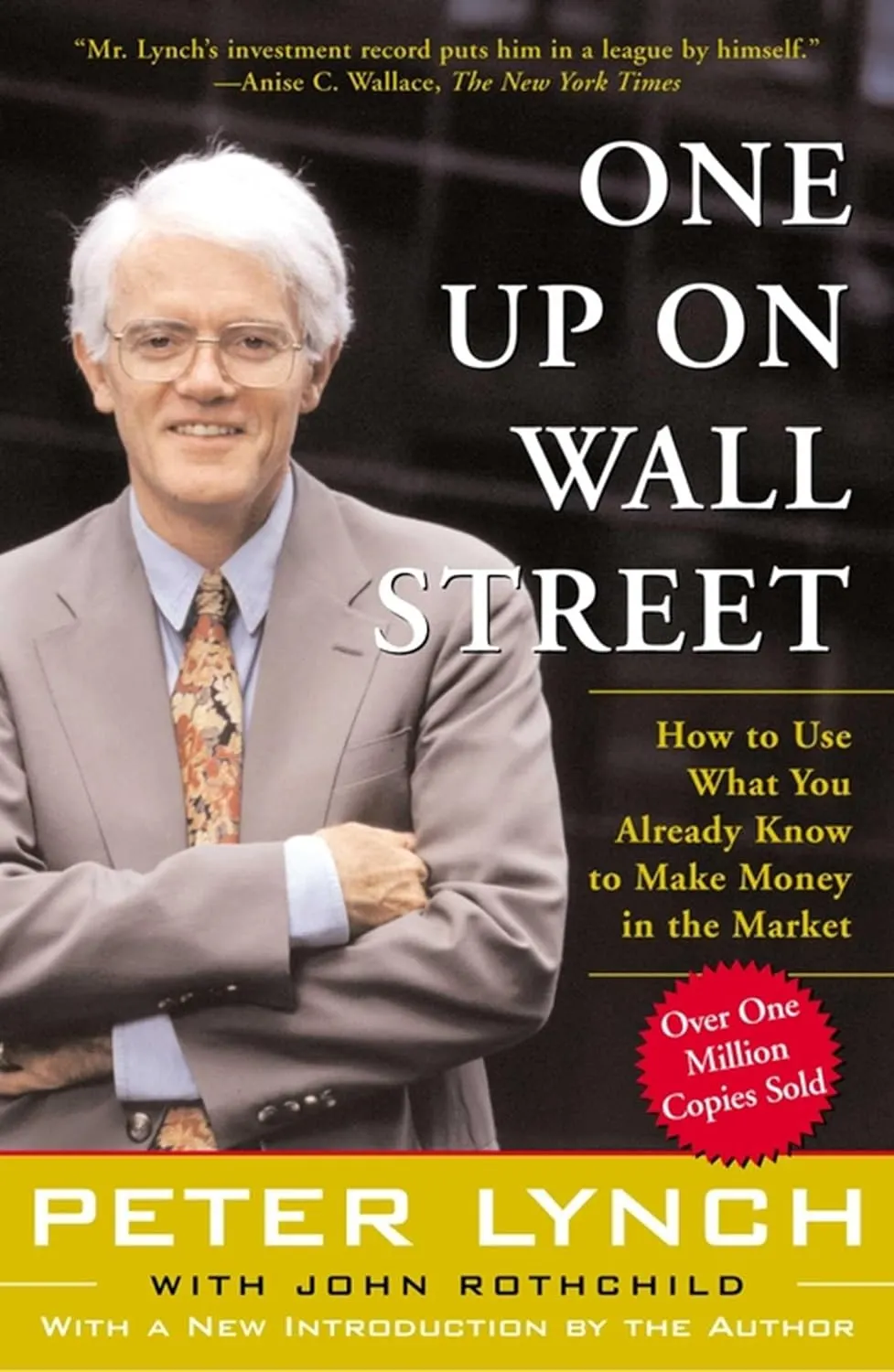
Peter Lynch ran the Fidelity Magellan Fund from 1977 to 1990, turning it from an $18 million fund into a $14 billion one while averaging 29.2% annual returns. One Up On Wall Street is his argument that ordinary investors can find great stocks before professionals do because they encounter products and businesses in daily life before Wall Street analysts discover them. The book popularized the PEG ratio, the concept of "tenbaggers" (stocks that return 10x your investment), and the idea that the person buying laundry detergent at the grocery store has an informational edge over the analyst reading earnings reports three months later. Whether that edge still exists in the age of social media and algorithmic trading is a question worth examining carefully.
Book Details
| Attribute | Details |
|---|---|
| Title | One Up On Wall Street |
| Author | Peter Lynch with John Rothchild |
| Publisher | Simon & Schuster |
| First Published | 1989 |
| Updated Edition | 2000 |
| Pages | 304 |
| Reading Level | Beginner to Intermediate |
| Amazon Rating | 4.7/5 stars |
Get Your Copy
Paperback: Buy on Amazon
Kindle: Buy on Amazon
Audiobook: Buy on Amazon
About the Author
Peter Lynch joined Fidelity Investments as an intern in 1966 and took over the Magellan Fund in 1977. Over 13 years, he delivered 29.2% annualized returns, the best long-term record of any mutual fund manager in history. He retired at age 46 to spend time with his family and has since devoted himself to philanthropy and financial education.
His approach was unconventional: he visited companies constantly, talked to employees and customers, and relied on qualitative observation as much as quantitative analysis. He owned hundreds of stocks at once and turned over the portfolio aggressively, yet consistently identified multibaggers that professional analysts missed.
The Central Idea: Consumer Edge
Lynch's thesis is direct: the ordinary person has a genuine informational edge over Wall Street in one specific domain. When you encounter a product or store you love as a consumer, you know something. You know from personal experience that it is genuinely better, that people are talking about it, that lines are forming. Professional analysts learn about this months or years later through earnings reports.
Famous examples Lynch cites:
| Company | The Consumer Signal | When Lynch Invested | Subsequent Return |
|---|---|---|---|
| Dunkin' Donuts | People were always in line | Early 1980s | 25x |
| Taco Bell | Lunch crowds never shrank | 1983 | 12x |
| Hanes | L'eggs pantyhose sold everywhere | Mid-1970s | 6x |
| Stop & Shop | His wife noticed the store | 1975 | 10x |
| La Quinta | Better highway motels | 1978 | 16x |
The consumer signal alone is not sufficient to buy. Lynch uses it as a starting point for further research. But the starting point matters: most retail investors ignore what they observe in daily life. Lynch built a $14 billion fund partly by paying attention.
Does the Consumer Edge Still Work in 2026?
The answer is nuanced. Social media spreads information about consumer products faster than in 1989, which narrows the window between consumer discovery and Wall Street coverage. But the gap has not closed entirely, particularly for smaller companies and niche brands.
A 2026 analysis by invest-like.com found that Lynch's GARP (growth at a reasonable price) framework still produces actionable stock ideas when adjusted for modern market structure. The key adjustments: PEG thresholds need to be relaxed from 1.0 to 1.5 for high-quality compounders, software companies require adjusted operating EPS (adding back amortization of intangibles and recognizing stock-based compensation), and AI capex businesses like NVIDIA need to be flagged as cyclical rather than structural growth.
The Forbes Lynch screening model, which applies Lynch's criteria systematically, has returned 8.1% annually since 1998 versus 6.2% for the S&P 500. That outperformance is real but modest, and it comes with higher volatility than the index. Read our comparison of ETFs vs. mutual funds to understand the tradeoff between active stock picking and passive indexing.
The Six Stock Categories
Lynch classifies every stock into one of six categories. Each category has different expectations, risks, and holding strategies.
| Category | Description | Expected Annual Growth | Holding Strategy |
|---|---|---|---|
| Slow Growers | Large, mature companies, often utilities | 2-4% | Hold for dividend income |
| Stalwarts | Large companies still growing steadily | 10-12% | 30-50% gain then sell |
| Fast Growers | Small, aggressive companies expanding | 20-30%+ | Hold for multibagger potential |
| Cyclicals | Airlines, autos, chemicals, steel | Varies widely | Buy near trough, sell near peak |
| Turnarounds | Companies recovering from problems | Potentially very high | Buy when recovery is clear |
| Asset Plays | Companies with undervalued assets | Situation-dependent | Buy well below asset value |
The most important stocks are fast growers. A single 10-bagger (stock that goes up 10x) compensates for several losers in a diversified portfolio.
2026 Category Adjustments
A June 2026 update to Lynch's framework by invest-simply.com identified several ways the six categories need modern adaptation:
Stalwarts have become indefinite holds. Lynch's original rule was to sell stalwarts after a 30-50% gain because massive size restricted further growth. In the modern tech era, giant platforms like Microsoft and Apple have become indefinite holds because once a platform acquires a user, selling them additional digital services costs nearly nothing. These companies use massive cash flows to buy back stock, sustaining double-digit growth far longer than Lynch expected.
Cyclicals require inverted P/E logic. Lynch's traditional approach was to buy cyclicals when P/E ratios dropped. With the memory chip triopoly (Samsung, SK Hynix, Micron), a low P/E now signals peak earnings rather than value. Conversely, when chip prices fall and earnings go negative, the triopoly halts supply to clear inventory, which signals a cycle bottom.
Slow growers face disruption risk. A cheap valuation on a legacy software or utility company may reflect terminal decline rather than value. Lynch's framework needs a disruption filter for slow growers that did not exist in 1989.
Read more about building a diversified portfolio in our guide to the three-fund portfolio.
The Perfect Stock: Lynch's Checklist
Lynch describes his ideal stock with almost comic specificity. His "perfect stock" characteristics:
Key Financial Ratios Lynch Uses
Lynch is not primarily a quantitative analyst, but he uses several ratios as quick filters.
The PEG Ratio
Lynch popularized the price/earnings-to-growth (PEG) ratio:
PEG = P/E Ratio / Annual Earnings Growth Rate| PEG Value | Interpretation |
|---|---|
| Below 0.5 | Potentially very cheap |
| 0.5 - 1.0 | Potentially cheap |
| 1.0 | Fairly valued |
| 1.0 - 2.0 | Somewhat expensive |
| Above 2.0 | Expensive |
A stock at 20x earnings growing at 20% (PEG = 1.0) is fairly valued. A stock at 10x earnings growing at 25% (PEG = 0.4) is potentially a bargain. A stock at 40x earnings growing at 10% (PEG = 4.0) is priced for perfection.
2026 PEG adjustment: The invest-like.com analysis recommends relaxing the PEG buy threshold from 1.0 to 1.5 for high-quality compounders with sustained ROIC above 18%. The rationale is that quality justifies a premium. For software companies, the PEG should be computed using adjusted operating EPS rather than reported EPS, since standard P/E understates real earnings power for R&D-heavy businesses with stock-based compensation.
Debt-to-Equity
Lynch wants companies with low debt. A highly leveraged company cannot weather downturns, and Lynch has found that debt is the primary cause of corporate bankruptcy.
| Debt/Equity | Lynch's Assessment |
|---|---|
| Below 25% | Excellent |
| 25-50% | Good |
| 50-75% | Acceptable |
| Above 75% | Concerning |
| Above 100% | Avoid in cyclicals |
Cash Per Share
Lynch frequently finds companies trading below their cash position. If a stock trades at $10 and has $8 per share in net cash (cash minus all debt), you are essentially buying the business for $2. Check the balance sheet to verify this.
The Twelve Silliest Things People Say About Stocks
Lynch includes a memorable chapter debunking common investment myths:
Lynch's Homework: Researching a Stock
Lynch outlines the minimum research before buying:
The Two-Minute Monologue: Can you explain in two minutes, in plain language, why you own the stock and what has to happen for you to be right? If you cannot, you do not understand it well enough to own it.
Questions to answer:
The story categories:
The Investor's Biggest Enemy: Themselves
Lynch spends an entire chapter on investor psychology, arguing that the biggest threat to returns is not bad stocks but bad behavior:
Selling winners, holding losers: This is the opposite of what works. Investors tend to sell stocks that are up (to "lock in a gain") and hold stocks that are down (to "avoid a loss"). The result is a portfolio full of underperformers. This pattern, known as the disposition effect, has been documented in dozens of studies since Lynch wrote about it.
The cocktail party indicator: Lynch's famous anecdote about cocktail party behavior:
The stage 4 cocktail party environment is a reliable contrary indicator that the market is overvalued.
Strengths & Weaknesses
What We Loved
Areas for Improvement
Who Should Read This Book
Highly Recommended For
Probably Not For
Comparison to Similar Books
| Book | Approach | Accessibility | For |
|---|---|---|---|
| One Up On Wall Street | Growth stock picking | Very High | Everyone |
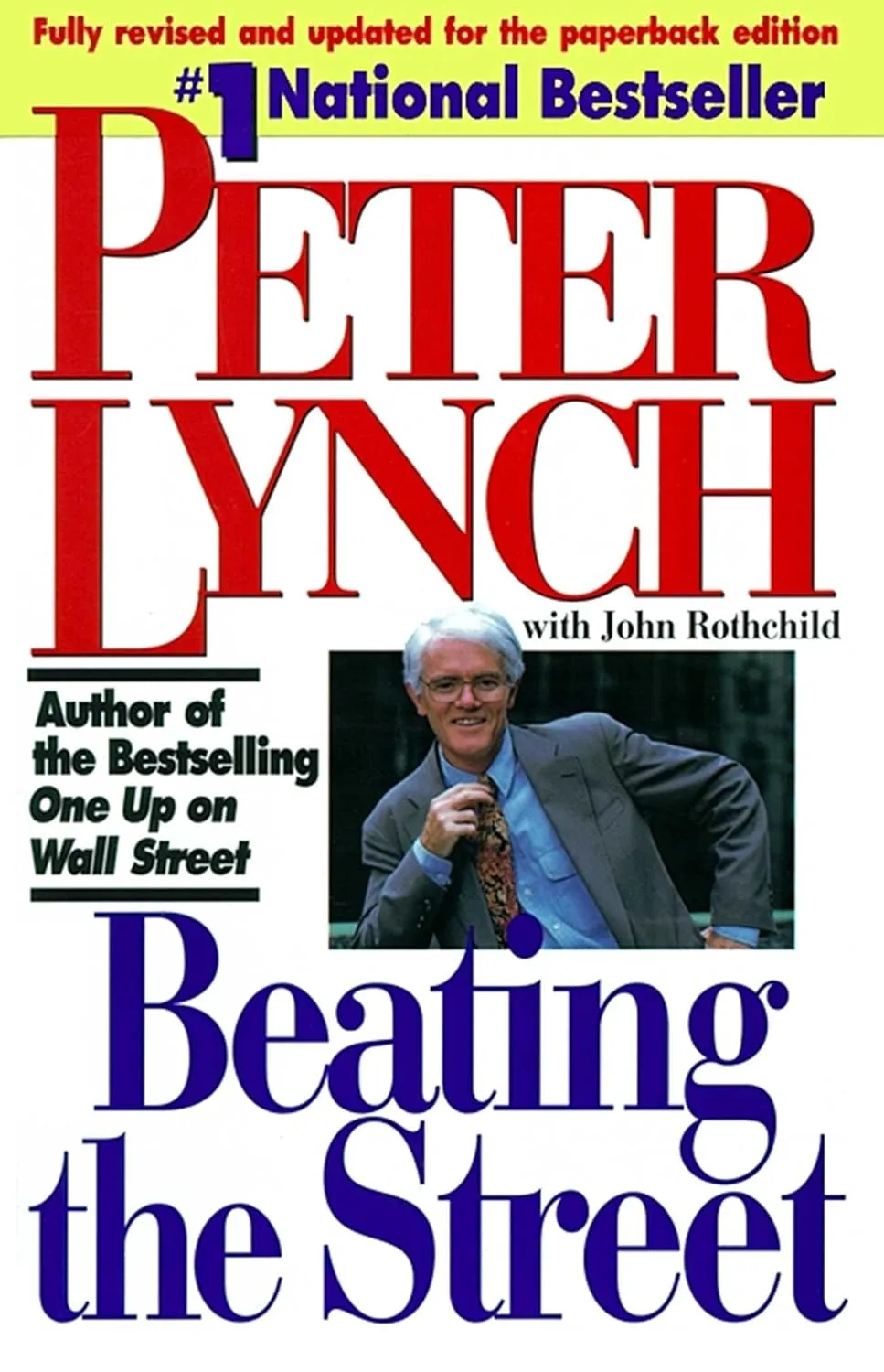
| Beating the Street | Fund management perspective | High | Intermediate investors |
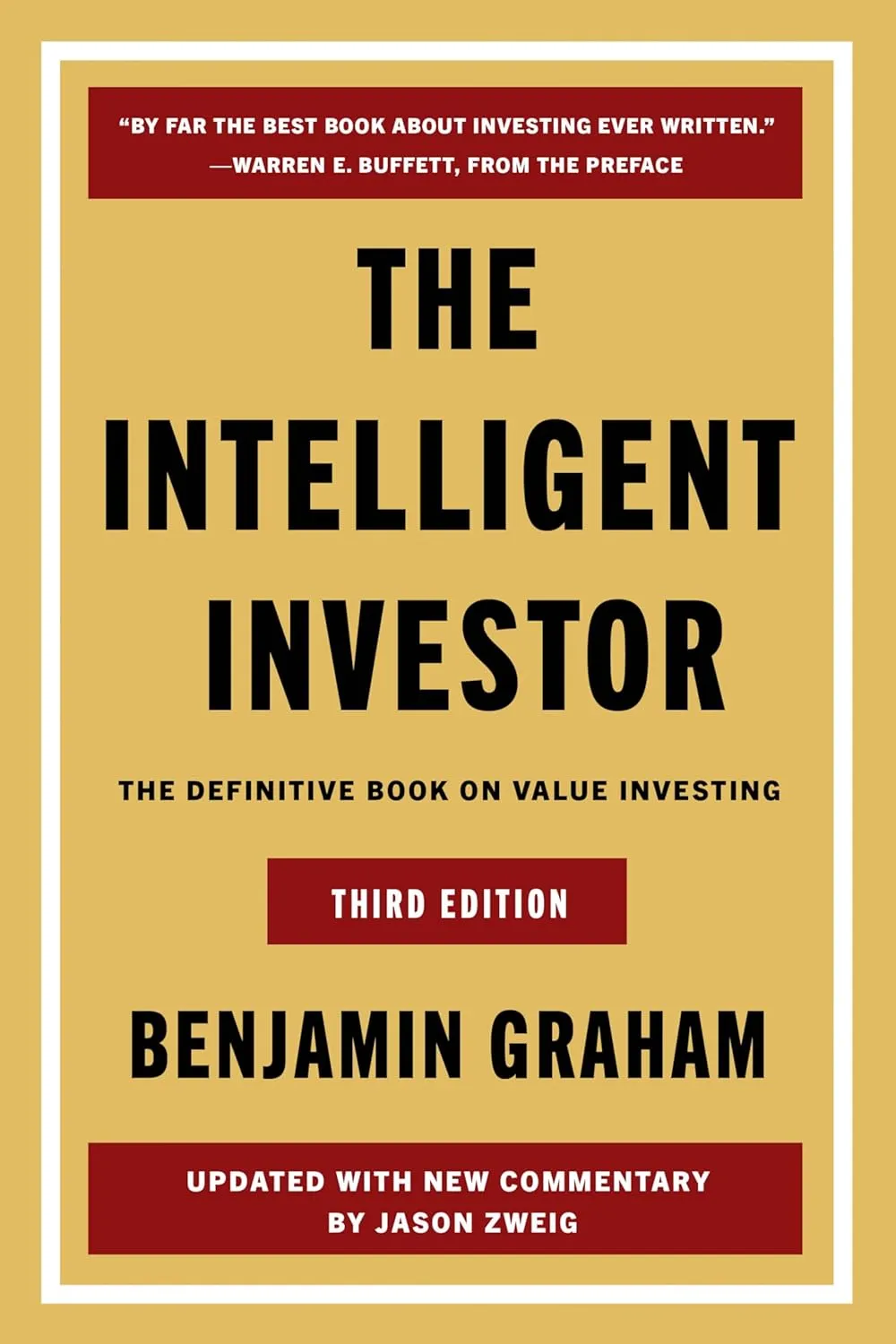
| The Intelligent Investor | Value investing rigor | Medium | Serious value investors |
| Common Stocks and Uncommon Profits | Growth stock theory | Medium | Growth investors |
Frequently Asked Questions
Q: Can ordinary investors really replicate Lynch's approach?
A: Partially. The consumer observation methodology is genuinely accessible. The ability to visit 500 companies per year, talk to management directly, and get early access to data is not. Use Lynch's consumer insights as a starting point, then apply basic due diligence (PEG ratio, debt, earnings trend) and invest in a diversified basket.
Q: Is the approach still valid in the age of instant information?
A: The consumer edge is somewhat diminished but not eliminated. Social media spreads information faster than 1989, but the gap between when ordinary consumers recognize quality and when Wall Street fully prices it in still exists for smaller companies. The 2026 GARP framework updates (relaxing PEG to 1.5 for quality compounders, adjusting EPS for software companies) help bridge the gap between Lynch's era and today's market structure.
Q: How many stocks should I own using Lynch's approach?
A: Lynch owned hundreds, which is not practical for individuals. Most retail investors using Lynch's approach do well with 10-20 positions, diversified across his six categories.
Q: Should I read One Up On Wall Street or Beating the Street first?
A: One Up first. It covers the philosophy and framework. Beating the Street covers practical application in more detail.
Q: How does Lynch's approach compare to passive indexing?
A: The Forbes Lynch screening model returned 8.1% annually since 1998 versus 6.2% for the S&P 500, but with higher volatility and more drawdowns. For most investors, a three-fund portfolio will produce better risk-adjusted returns. Lynch's approach is for investors who enjoy the research process and want to attempt outperformance. Read our guide to dollar-cost averaging for a simpler alternative.
Final Verdict
Rating: 4.7/5
One Up On Wall Street is the most entertaining investing book ever written and one of the most practically useful for individual stock pickers. Lynch's framework, particularly the six stock categories, the PEG ratio, and the consumer edge concept, provides genuine tools for finding overlooked opportunities. The 2026 updates to the GARP framework show the approach can still generate ideas when adjusted for modern market structure. Every serious investor should read it, even those who ultimately choose passive investing. Use our investment return calculator to model how a portfolio of Lynch-style picks might perform over time.
Get Your Copy
Paperback: Buy on Amazon
Kindle: Buy on Amazon
Audiobook: Buy on Amazon
Prices current as of publication date. Free shipping available with Prime.