
Best Budgeting Apps Compared: Which One Actually Gets Used
Most people abandon budgeting apps within three weeks. We compared the top apps of 2026 by price, features, and which ones people actually still use six months later.

The average American household loses over $5,000 per year to subscription creep, impulse purchases, and untracked recurring charges, according to a 2025 J.P. Morgan Chase Institute analysis of 14 million checking accounts. That is money that leaks out silently because nobody is watching the numbers.
Most people download a budgeting app in a burst of motivation, use it for two weeks, and never open it again. The problem is not willpower. The problem is picking an app that fights how your brain works. A zero-based budgeting app like YNAB will fail for someone who wants passive tracking. A passive tracker will fail for someone who needs active engagement to change habits.
This post compares the top budgeting apps in 2026, organized by who each one is actually built for, with honest pros and cons based on current pricing and user reviews.
Why Most Budgeting Apps Get Abandoned
Research from University College London found that habit formation takes an average of 66 days, not the commonly cited 21. Their study on habit formation tracked participants over 12 weeks and found that automaticity (the point where a behavior feels effortless) ranged from 18 to 254 days depending on the person and the complexity of the behavior.
Apps that require too much daily effort get dropped before the habit forms. You start strong in week one, feel overwhelmed by week two, and by week three the app is just another icon on your home screen. Apps that are too passive have the opposite problem: they show you data but do not actually change behavior. You glance at a spending chart, feel briefly guilty, and continue spending the same way.
The sweet spot is enough engagement to build awareness without so much that it feels like homework. This is why matching the app to your personality matters more than matching it to your budget. For more on why budgeting systems fail, see our post on why budgets fail and what actually works.
The Top Budgeting Apps of 2026
YNAB (You Need A Budget)
- Price: $14.99/month or $109/year, no free tier (34-day trial)
- Philosophy: zero-based budgeting, give every dollar a job
- Best for: people who want to fundamentally change spending habits, debt payoff, breaking the paycheck-to-paycheck cycle
- Pros: strongest behavior change mechanism of any app. Users consistently report saving $600 in the first two months and $6,000 in the first year. The zero-based method forces you to confront every spending decision before you make it.
- Cons: steep learning curve (expect 2 to 4 weeks of frustration before it clicks). Most expensive option. Requires daily engagement to stay current. If you fall behind on categorizing transactions, catching up feels punishing.
- Platforms: iOS, Android, web
YNAB's approach is not for everyone. If you want to open an app once a week and glance at a spending summary, YNAB will frustrate you. But if you are living paycheck to paycheck or carrying credit card debt, the zero-based method is the most effective tool for changing that reality. The price stings, but if it saves you more than $9/month by making you more deliberate about spending, it pays for itself.
Monarch Money
- Price: $14.99/month or $99.99/year for Core (7-day trial). A Plus tier at $199/year for existing members adds advanced features.
- Philosophy: full-picture tracking with AI insights, minimal manual effort
- Best for: couples, people who want awareness without strict budgeting, net worth tracking alongside spending
- Pros: shared household access at no extra cost (couples can share an account with individual privacy settings). AI catches forgotten subscriptions by flagging recurring charges. Investment and net worth tracking included, making it a full financial dashboard rather than just a budget.
- Cons: 7-day trial is too short to evaluate whether the app fits your habits. $100/year is steep if you only need basic spending tracking. Some users report sync reliability issues with smaller banks and credit unions.
- Platforms: iOS, Android, web
Monarch became the de facto Mint replacement after Mint shut down in 2024. Its interface will feel familiar to former Mint users, with a grid of accounts, a net worth headline, and category-level spending breakdowns. For people who want the full picture with minimal daily effort, it is the strongest option.
Rocket Money
- Price: free tier available. Premium is $7 to $14/month on a sliding scale (you choose what you pay).
- Philosophy: subscription tracking and bill negotiation first, budgeting second
- Best for: people whose main problem is subscription creep and bill bloat
- Pros: best free tier available. The subscription radar scans your transactions for recurring charges and surfaces every streaming service, gym membership, and app subscription you have forgotten about. Bill negotiation can save real money on phone, internet, and insurance bills (Rocket Money takes 35% to 60% of first-year savings as a fee).
- Cons: budgeting features are the weakest in this comparison. Premium pricing is variable, which some users find awkward. The app was built for subscription management and retrofitted with budgeting, so the budgeting experience feels secondary.
- Platforms: iOS, Android, web
For pure subscription auditing, the free tier is enough. If you have 10+ recurring charges you cannot account for, Rocket Money will find them. Just do not expect it to replace a dedicated budgeting tool.
Quicken Simplifi
- Price: $5.99/month, billed annually (30-day money-back guarantee)
- Philosophy: adaptive spending plan that adjusts to real cash flow
- Best for: beginners who want something simpler than YNAB but more structured than passive tracking
- Pros: gentlest learning curve of any paid app in this comparison. Clean, intuitive interface. The spending plan adapts to your actual cash flow rather than forcing a rigid monthly budget. Cheapest serious paid option at roughly $72/year.
- Cons: no free tier. Less powerful than YNAB for serious debt payoff. Limited investment tracking compared to Monarch.
- Platforms: iOS, Android, web
Simplifi occupies the middle ground between YNAB's intensity and Monarch's passivity. If you want structure without the zero-based overhead, this is where you land.
EveryDollar
- Price: free tier (manual entry). Premium is $17.99/month or $79.99/year (bank sync).
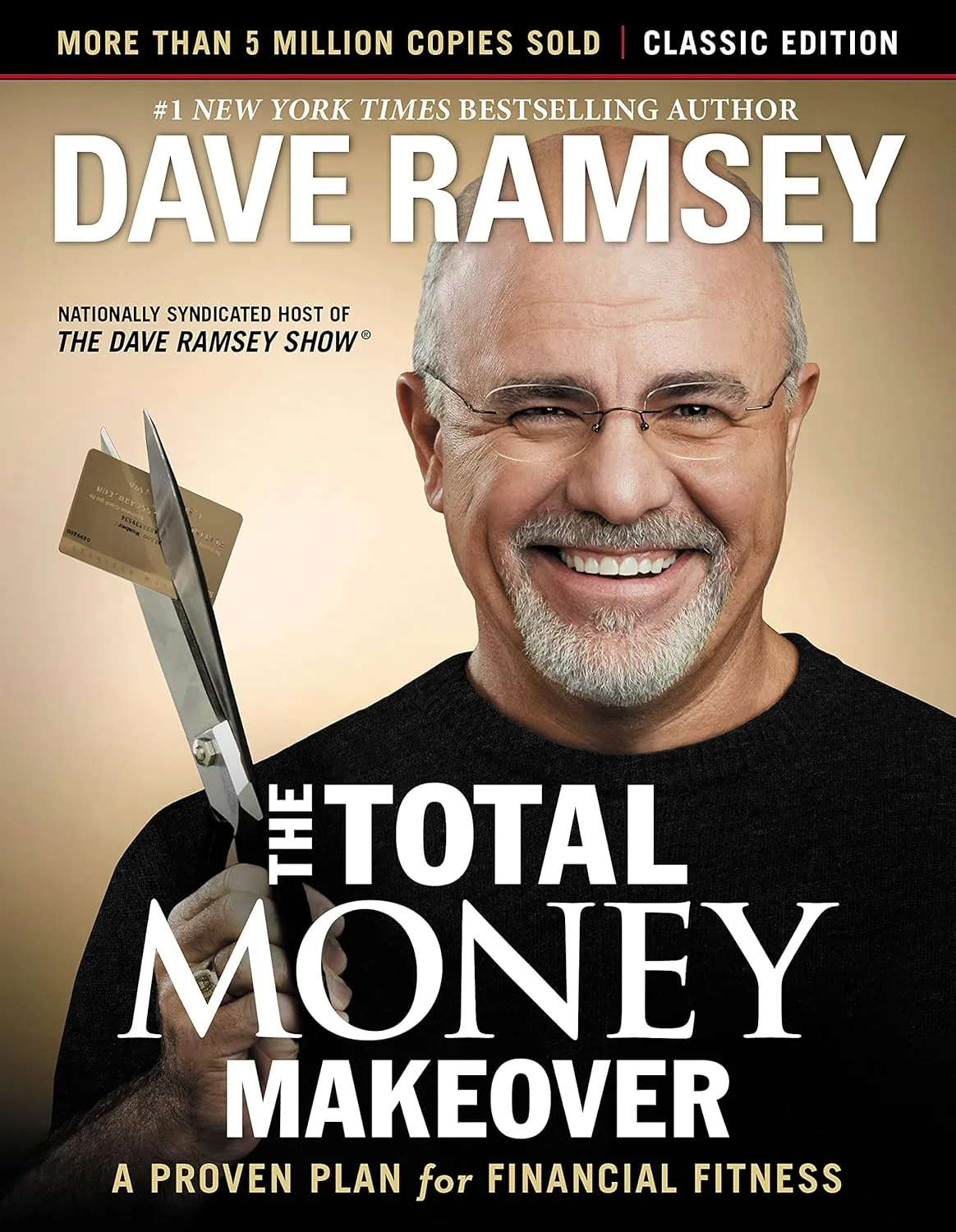
- Philosophy: zero-based budgeting aligned with Dave Ramsey's Baby Steps
- Best for: Dave Ramsey followers, people who want a free zero-based option
- Pros: free tier works if you do not mind manual entry. Integrates with the Ramsey ecosystem (Baby Steps, Financial Peace University). Premium adds bank sync and automatic categorization.
- Cons: manual entry on the free tier is tedious and is the main reason users abandon the app. Premium is the most expensive option in this comparison at $204/year if you pay monthly. Less polished than YNAB for the same zero-based method.
- Platforms: iOS, Android, web
If you follow Ramsey's Baby Steps, EveryDollar fits naturally into that system. If you do not, YNAB does the same zero-based method better for less money.
Budgeting Apps Compared
| App | Price | Free Tier | Best For | Method | Bank Sync | Platforms | Trial |
|---|---|---|---|---|---|---|---|
| YNAB | $14.99/mo or $109/yr | No | Behavior change, debt payoff | Zero-based | Yes | iOS, Android, web | 34 days |
| Monarch Money | $14.99/mo or $99.99/yr | No | Couples, full-picture tracking | Flexible tracking | Yes | iOS, Android, web | 7 days |
| Rocket Money | $7-14/mo Premium | Yes | Subscription tracking, bills | Passive tracking | Yes | iOS, Android, web | 7 days Premium |
| Quicken Simplifi | $5.99/mo | No | Beginners, gentle structure | Adaptive spending plan | Yes | iOS, Android, web | 30-day refund |
| EveryDollar | $17.99/mo or $79.99/yr | Yes (manual) | Ramsey followers, free zero-based | Zero-based | Premium only | iOS, Android, web | 14 days Premium |
How to Pick the Right App for You
Match the app to your financial situation and personality, not to someone else's recommendation.
- Living paycheck to paycheck or significant debt: YNAB. The zero-based method forces you to confront every dollar, which is uncomfortable but effective. The behavior change is the value proposition.
- Want the full picture with minimal effort: Monarch. Automatic categorization and AI insights mean you can open it once a week and still have a clear picture of your finances.
- Main issue is subscriptions and bills: Rocket Money. Start with the free tier to audit your recurring charges, then decide if Premium is worth it for bill negotiation.
- New to budgeting, want something gentle: Simplifi. The adaptive spending plan gives you structure without the rigidity of zero-based budgeting.
- Follow Dave Ramsey or want a free option: EveryDollar. The free tier works if you commit to manual entry. If you know you will not keep up with manual entry, pay for Premium or switch to another app.
- Want completely free and do not mind manual entry: Goodbudget. Envelope method, free tier with 20 envelopes, no bank connection required.
If you want to put a number on the goal you are budgeting toward, our budget calculator shows how your monthly spending breaks down across categories. For the psychology behind why impulse purchases derail budgets, see our post on the psychology behind impulse buying.
Real-World Examples
Example: A couple with $90,000 combined income and $15,000 in credit card debt
Situation: They tried Rocket Money first because it was free. The subscription tracking found $45/month in forgotten charges, but the budgeting features were too basic to change their spending behavior. They were still adding to the credit card balance each month.
What they did: Switched to YNAB. The first three weeks were frustrating. The zero-based method felt restrictive, and they had several arguments about category allocations. By week four, it clicked. They realized they were spending $380/month on takeout and delivery, which they had never confronted because no previous tool made it visible.
Result: After 3 months on YNAB, discretionary spending dropped $380/month. That $380 now goes directly to credit card payoff. They project being debt-free in 28 months instead of the indefinite timeline they were on before. The $109/year subscription is the best money they spend each month.
Example: A single person, $52,000 income, no debt but no savings
Situation: Tried YNAB on a friend's recommendation. Found it too intense and felt guilty every time they opened the app. Abandoned it after 12 days.
What they did: Switched to Monarch Money. The less judgmental interface and automatic categorization fit their personality better. In the first week, the AI flagged $87/month in forgotten subscriptions: a streaming service they never watched, a fitness app they stopped using, and a cloud storage plan that was overkill for their needs.
Result: Cancelled all three subscriptions. The $87/month now goes automatically to a high-yield savings account. After 6 months, they have $5,200 saved, which is the first time they have ever had a meaningful savings balance. Monarch's less aggressive approach worked because it matched their temperament.
Common Mistakes
Paying for a premium app before trying the free tier or trial. Every app in this comparison offers either a free tier or a trial period. Use it. An app that looks perfect on paper may feel wrong when you actually use it for a week.
Choosing YNAB when you want passive tracking. YNAB requires active engagement. If you want to open an app once a week, glance at a chart, and close it, YNAB will not work for you. You will waste $109 and feel guilty about abandoning it. Choose Monarch or Simplifi instead.
Using a free app with manual entry if you know you will not keep up with it. Be honest with yourself. If you have tried manual expense tracking before and quit within two weeks, do not sign up for another manual entry app. Pay for bank sync. The $60 to $100/year is worth it if it means you actually use the tool.
Expecting the app to do the work. Every app in this comparison still requires you to look at the numbers. The best app in the world will not help if you never open it. The app is a tool, not a solution. For more on how lifestyle inflation undermines budgeting efforts, see our post on lifestyle inflation.
Conclusion
The best budgeting app is the one you will still open in six months. Match the app to your personality and your financial situation, not to someone else's recommendation or to whichever app has the best marketing.
Even a free app used consistently beats a premium app abandoned in week two. The $109 you spend on YNAB is wasted if you stop using it in 12 days. The $0 you spend on Rocket Money's free tier is valuable if it helps you cancel $50/month in forgotten subscriptions and you actually look at the spending data.
Try one app for 30 days before moving on. Bookmark this comparison to revisit when you are ready to switch, and check out our budget calculator to see how your spending breaks down.
This post is for informational purposes only and does not constitute financial advice. App pricing and features may change. Verify current pricing on each app's website before subscribing.
Tags
Savvy Nickel Team
Financial education expert dedicated to making complex money topics simple and accessible for everyone.
Recommended Articles

How to Use a Spreadsheet to Track Your Net Worth (Free Template)
Tracking your net worth is the single most motivating financial habit you can build. Here is how to set up a net worth spreadsheet in 15 minutes, with a free template you can copy today.

How to Pay Off $10,000 in Debt in 12 Months on a Normal Salary
Paying off $10,000 in a year sounds impossible until you see the actual math. Here is a realistic, step-by-step plan that works on a regular income without requiring extreme sacrifice.

What I Wish I Knew About Money at 18
The financial lessons most people learn the hard way in their 20s and 30s. Here's the condensed version, so you can skip the expensive mistakes and get straight to what actually works.
Run the Numbers
Free calculators related to this article.
Budget Calculator / 50-30-20 Analyzer
Enter your take-home pay and instantly see how to split it across needs, wants, and savings using the 50-30-20 rule. Adjust the percentages to fit your situation and see exactly how much goes where.
Open calculator →Net Worth Calculator
Calculate your true financial picture by adding up everything you own and subtracting everything you owe. Track your progress month over month as your net worth grows.
Open calculator →Emergency Fund Calculator
Find out exactly how much you need in your emergency fund based on your monthly expenses. Track your progress toward 3, 6, or 12 months of coverage and see how long it takes to get there.
Open calculator →Recommended Books

Related Glossary Terms
Budget
A budget is a plan for how to spend and save your income. It assigns every dollar a purpose before the month begins, turning vague financial intentions into specific, trackable decisions.
Cash Flow
Cash flow measures whether money accumulates or drains away in your financial life. It is the difference between income and expenses over a period of time, and it determines financial resilience more than income or net worth.
Mental Accounting
Mental accounting is the habit of sorting money into mental buckets based on its source or intended use, then treating the dollars differently even though money is fungible. It can help with self-control but often leads to costly inefficiencies like carrying debt while holding cash.
Asset
An asset is anything of economic value owned by an individual or business that can generate future benefits, including cash, investments, property, and equipment, forming the left side of a balance sheet.
Checking Account
A checking account is a bank deposit account designed for everyday transactions like paying bills, making purchases, and receiving income, offering unlimited withdrawals and deposits with immediate access to funds.
Debit Card
A debit card is a payment card linked directly to your checking account that deducts funds immediately when used, providing convenient access to your money without the risk of accumulating debt.
Recommended Podcasts

The Personal Finance Podcast
by Andrew Giancola
Andrew Giancola's Master Money show covers budgeting, investing, and side income with a systems-first approach. 350K monthly downloads and a 4.7 Apple rating.

The Ramsey Show
by Dave Ramsey & the Ramsey team
Dave Ramsey's daily call-in show is the largest personal finance podcast in the US, built around the debt snowball and seven Baby Steps. 18 million weekly listeners.

NerdWallet's Smart Money Podcast
by Sean Pyles, CFP & Elizabeth Ayoola
NerdWallet's finance journalists answer real listener money questions with research-backed answers. Weekly, 650+ episodes, and a 4.3 Apple rating.