*Disclosure: This article contains affiliate links. If you purchase through these links, we may earn a commission at no additional cost to you. We only recommend books we genuinely believe in.
Quick Overview
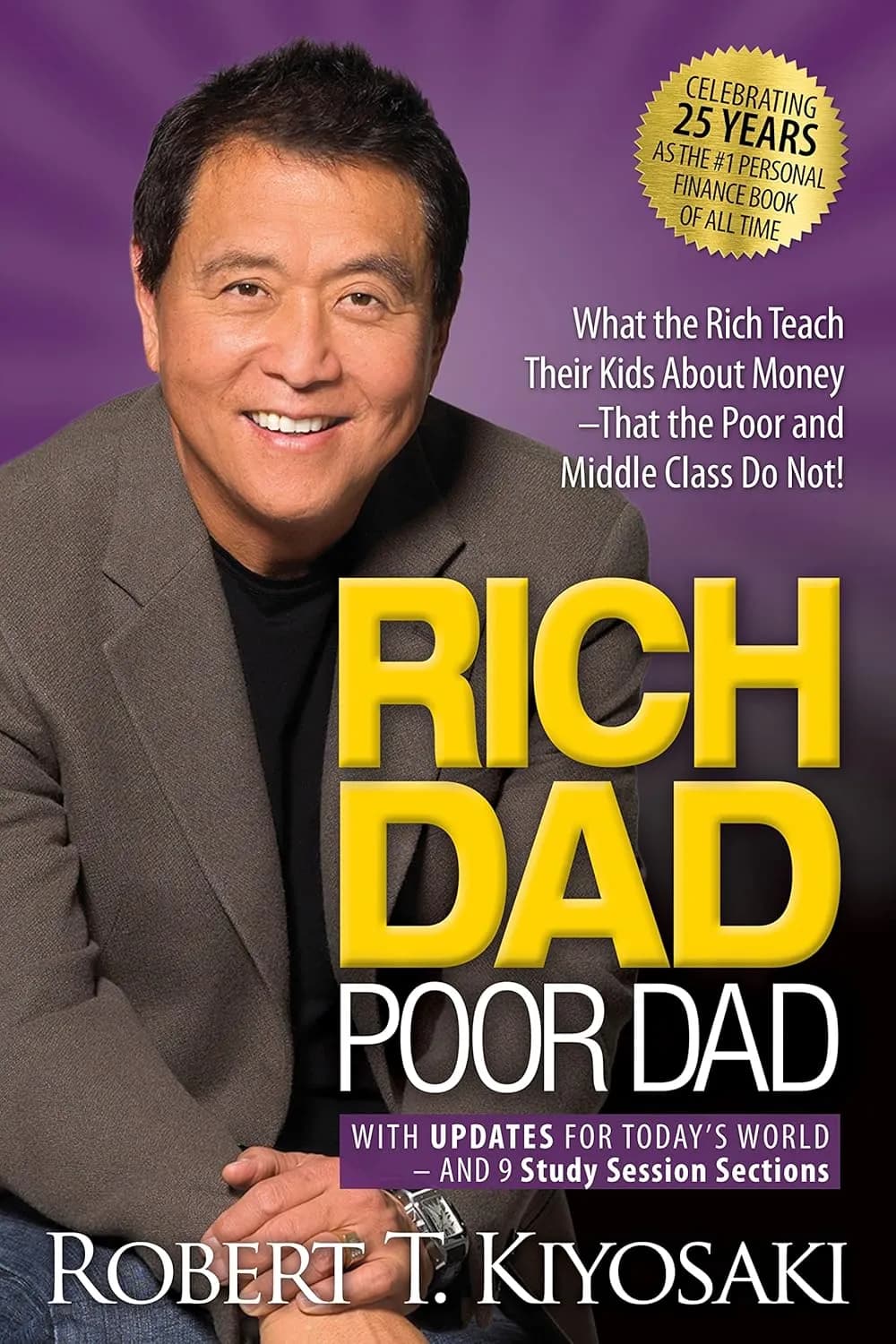
Rich Dad Poor Dad has sold over 40 million copies since 1997, making it the best-selling personal finance book of all time. It tells the story of two fathers: Kiyosaki's biological father (the "poor dad," a highly educated government employee who never built wealth) and his best friend's father (the "rich dad," an entrepreneur who built a business empire). The contrast is the vehicle for Kiyosaki's argument that conventional wisdom about money (go to school, get a good job, save, retire) is a trap. The book's core message, that you should acquire assets that generate income rather than working for money, is genuinely valuable. The controversy surrounds Kiyosaki's specific advice, his credibility, and whether the "rich dad" ever existed. This review separates the lasting insights from the problematic prescriptions, because both are significant.
Book Details
| Attribute | Details |
|---|---|
| Title | Rich Dad Poor Dad |
| Author | Robert T. Kiyosaki with Sharon Lechter |
| Publisher | Plata Publishing (originally self-published, 1997) |
| 25th Anniversary Edition | 2022 |
| Pages | 336 |
| Reading Level | Beginner |
| Amazon Rating | 4.6/5 stars |
Get Your Copy
25th Anniversary Edition: Buy on Amazon
Kindle: Buy on Amazon
Audiobook: Buy on Amazon
About the Author
Robert Kiyosaki is an entrepreneur, investor, and financial educator. He served in the Marine Corps and flew helicopters in Vietnam, then worked at Xerox before starting several businesses. He built a financial education empire through Rich Dad Company, which has produced seminars, board games (CASHFLOW), and over 20 books.
Kiyosaki's credibility has been challenged on several fronts. Investigative journalist John Reed published a detailed critique arguing that the "rich dad" character was fictional and that many of Kiyosaki's specific claims about his own wealth and investments are unverifiable or contradicted by public records. Rich Dad Poor Dad was originally self-published and only picked up by Warner Books after it gained traction through direct sales at seminars.
In 2012, Rich Global LLC filed for Chapter 11 bankruptcy after losing a $24 million judgment to Learning Annex. Kiyosaki himself was not personally bankrupt, but the corporate filing raised questions about the financial practices of someone teaching financial literacy. In 2024 and 2025, Kiyosaki made headlines for predicting massive market crashes and urging followers to buy gold, silver, and Bitcoin, continuing a pattern of doom-laden forecasts that have not consistently materialized.
The Core Framework: Assets vs. Liabilities
The single most valuable idea in the book is Kiyosaki's redefinition of assets and liabilities:
"An asset puts money in my pocket. A liability takes money out of my pocket."
This is not the accounting definition (which classifies assets as things you own and liabilities as things you owe). It is a cash-flow definition, and for personal finance purposes, it is more useful than the accounting version.
The cash-flow framework:
| Definition | Examples | |
|---|---|---|
| Asset | Something that puts money IN your pocket | Rental property, dividend stocks, business, royalties |
| Liability | Something that takes money OUT of your pocket | Mortgage (before payoff), car loan, credit card debt |
The controversial claim: Kiyosaki argues your personal residence is not an asset because it takes money out of your pocket every month (mortgage, taxes, maintenance, insurance) and does not generate income. This is provocative and partially correct. A house you live in does not produce cash flow. But it does build equity over time and appreciates in most markets, which is a form of wealth accumulation even if it is not income generation.
The 2026 housing context: With 30-year mortgage rates above 6.5% and median home prices near record highs, Kiyosaki's argument that a personal residence is a liability resonates more than it did during the low-rate era of 2010-2021. Homeowners in 2026 are spending a larger share of income on housing costs than at any point since 2007. Use our mortgage payoff early calculator to see how much your house is actually costing you.
The Rat Race
Kiyosaki describes the "rat race" as the cycle of earning more, spending more, and never building wealth:
The escape: Acquire income-producing assets until their cash flow exceeds your living expenses. At that point, you are financially independent. You work because you choose to, not because you must.
This is a sound framework. The math is straightforward: track your monthly cash flow, identify how much comes from assets versus labor, and systematically increase the asset portion. Use our savings rate calculator to see where you stand and our retirement number calculator to calculate how much asset income you need.
The Four Quadrants Framework
Kiyosaki categorizes income sources into four quadrants (detailed in his follow-up book Cashflow Quadrant):
| Quadrant | Description | Tax Burden | Scalability |
|---|---|---|---|
| E (Employee) | Works for someone else | Highest (earned income) | Low |
| S (Self-employed) | Works for themselves | High | Limited |
| B (Business owner) | Has systems working for them | Medium | High |
| I (Investor) | Has money working for them | Lowest (capital gains) | Very High |
Kiyosaki argues the wealthy primarily generate income from the B and I quadrants, which carry lower tax rates and scale without proportional time investment. Most people are trained from birth to pursue the E quadrant.
Tax treatment by income type (U.S., illustrative):
| Income Type | Quadrant | Typical Federal Tax Rate |
|---|---|---|
| Wages/salary | E | 22-37% marginal |
| Self-employment income | S | 22-37% + 15.3% SE tax |
| Long-term capital gains | I | 0%, 15%, or 20% |
| Qualified dividends | I | 0%, 15%, or 20% |
| Rental income (with depreciation) | B/I | Often 0-15% effective |
The tax advantage of investment and business income over earned income is real and significant. This is a genuine insight, even if Kiyosaki oversimplifies the path to getting there.
Key Lessons from the Book
Lesson 1: The Rich Don't Work for Money
Kiyosaki argues that the rich have money work for them rather than working for money. This is the fundamental shift from employee to investor mindset. Most people optimize for salary (trading time for money). The wealthy optimize for passive income streams (assets generating money without time).
What is useful: The mindset shift from "how much can I earn?" to "how much can my assets earn?" is genuinely transformative for people who have never thought about passive income. A $100,000 stock portfolio earning 8% generates $8,000 per year in passive income. A $500,000 portfolio generates $40,000. The portfolio does not take vacations, get sick, or ask for raises. Use our investment return calculator to model your own numbers.
What is problematic: Kiyosaki oversimplifies. Most wealthy people work extensively. The billionaires he admires (Bezos, Musk, Buffett) are famous for working extraordinary hours. The "money works for you" framing can lead people to underestimate the effort required to build and maintain income-producing assets.
Lesson 2: Financial Literacy Is the Foundation
Kiyosaki argues that schools teach you to be an employee but not how money works. His four areas of financial literacy:
What is useful: He is correct that financial literacy is rarely taught in schools. A 2024 report from the Council for Economic Education found that only 35 states require a personal finance course for high school graduation, up from 21 in 2020 but still leaving 15 states with no requirement. The lack of basic financial education is a real problem.
What is problematic: Kiyosaki's own financial literacy advice is often vague or misleading. He recommends learning accounting, investing, understanding markets, and law, but provides little specific guidance on any of these. For actual financial literacy education, read our guides on budgeting, asset allocation, and dollar-cost averaging.
Lesson 3: Mind Your Own Business
Kiyosaki distinguishes between your profession (how you earn money at work) and your business (your asset column). Your job funds your life. Your business builds your wealth.
The asset column he recommends:
| Asset Type | Kiyosaki's View | 2026 Reality |
|---|---|---|
| Real estate | "My favorite" | Higher interest rates and elevated prices make cash-flow-positive properties harder to find |
| Stocks | "Buy businesses, not stocks" | Sound advice for long-term investors; see our three-fund portfolio guide |
| Bonds | Mentioned briefly | Worth including for diversification |
| Intellectual property | Books, courses, patents | Scalable but requires significant upfront effort |
| Businesses | "The best asset" | True but requires skills most readers lack |
What is useful: The concept of building an asset column alongside your career is sound. Even someone with a traditional job can build a portfolio of dividend stocks, index funds, and eventually rental properties.
What is problematic: Kiyosaki makes building a business sound straightforward. The reality is that most small businesses fail, and most real estate investors underestimate the time, capital, and risk involved. Read our guide on avoiding car loan rip-offs to see how debt, which Kiyosaki celebrates, can destroy wealth when used carelessly.
Lesson 4: The History of Taxes and Corporations
Kiyosaki makes a factual point that often surprises readers: corporations pay taxes on income after expenses, while employees pay taxes on income before expenses. This means business owners have legal access to many expenses (office, vehicle, travel, education) as pre-tax deductions that employees cannot access.
Simplified comparison:
| Employee | Business Owner | |
|---|---|---|
| Gross income | $100,000 | $100,000 |
| Business expenses | $0 (personal, after-tax) | -$20,000 (pre-tax deduction) |
| Taxable income | $100,000 | $80,000 |
| Tax (30%) | $30,000 | $24,000 |
| Net income | $70,000 | $76,000 |
The business owner keeps $6,000 more on the same gross income through legal tax treatment of business expenses.
What is problematic: Kiyosaki oversimplifies corporate taxation in ways that could lead to costly mistakes. Corporations face double taxation (corporate income tax plus dividends tax). The Tax Cuts and Jobs Act of 2017 changed the landscape significantly with the 20% QBI deduction for pass-through entities, which Kiyosaki does not address in the original edition. Setting up corporations without proper legal and tax advice can create more problems than it solves.
Lesson 5: The Rich Invent Money
Kiyosaki argues that financial intelligence allows you to recognize opportunities invisible to others and create value from them. He gives real estate examples where creative deal structuring (buying distressed properties, using seller financing, or equity partnerships) allows investors to acquire assets with little or no cash.
His approach to real estate (simplified):
What is problematic: Kiyosaki describes deals that sound too good to be true, and several have been challenged by critics. John Reed's analysis found that some of Kiyosaki's specific real estate examples are mathematically implausible or would violate lending regulations. The implication that readers can easily replicate these deals is misleading. This approach has worked for some real estate investors. It also requires knowledge, time, negotiation skills, and the willingness to manage properties, barriers Kiyosaki sometimes underemphasizes.
Where Kiyosaki Is Right
The Cash Flow Framework Is Genuinely Useful
The distinction between assets (things that put money in your pocket) and liabilities (things that take money out) is the most valuable contribution of the book. It is simpler than accounting definitions and more actionable for personal finance. If you apply only this one concept, the book is worth reading.
Financial Education Is Undervalued
Kiyosaki is correct that schools do not teach financial literacy and that this is a significant problem. The 2024 CEE report showing only 35 states require personal finance education confirms his point. The lack of basic financial knowledge costs Americans billions annually in unnecessary fees, poor investment decisions, and debt interest.
The Rat Race Is Real
The cycle of earning more and spending more without building wealth is a genuine trap that affects millions of households. Living below your means and investing the difference is the proven path to financial independence, and Kiyosaki communicates this message effectively to people who might never read a traditional finance book.
Home Equity Is Not the Same as Wealth
Kiyosaki's argument that your personal residence is not an asset in the cash-flow sense is partially correct. A house you live in ties up capital that could be invested in income-producing assets. This does not mean you should never buy a home, but it means you should not count your home equity as your retirement plan.
Where Kiyosaki Falls Short
The "Rich Dad" May Not Exist
John Reed's investigation found no evidence that the "rich dad" character existed. Kiyosaki himself has given contradictory answers about whether rich dad was a real person, a composite, or entirely fictional. This matters because the book's authority rests on the claim that these lessons came from a successful businessman. If the character is fictional, the lessons are Kiyosaki's opinions presented as wisdom from a mentor.
Real Estate Advice Is Risky and Incomplete
Kiyosaki recommends leveraging debt to buy real estate, which works in rising markets but can be catastrophic in declining ones. The 2008 financial crisis destroyed many real estate investors who followed exactly this strategy. Kiyosaki does not adequately address:
In 2026, with mortgage rates above 6.5%, many of the cash-flow-positive deals Kiyosaki describes in the book are mathematically impossible in most U.S. markets.
Anti-Education and Anti-Specialization Bias
Kiyosaki's framing of formal education as a path to mediocrity is misleading. The data is clear: college graduates earn significantly more over their lifetimes than non-graduates. The Federal Reserve's 2025 data shows the median weekly earnings of bachelor's degree holders are 68% higher than those with only a high school diploma. Discouraging education is irresponsible, even if the education system's lack of financial literacy training is a legitimate criticism.
Debt Celebration Is Dangerous
Kiyosaki repeatedly praises debt as a tool for building wealth. While leverage can amplify returns, it also amplifies losses. For most readers, the risk of catastrophic loss from over-leveraging far exceeds the potential gains. The investors who survived 2008 were the ones with low debt levels, not the ones who maximized leverage.
He Dismisses Diversification and Index Funds
Kiyosaki famously argues that diversification is for people who "don't know what they are doing." This is almost exactly backwards. The evidence shows that diversification is for people who know the limits of what any individual investor can predict. His concentrated approach to real estate and business has worked for him; it has also destroyed many others who followed his advice. Read our guide to ETFs vs. mutual funds to understand why diversification matters.
Specific Claims Are Unverifiable
Many of Kiyosaki's specific claims about his own investments and deals cannot be verified. When pressed for details, he has often deflected or cited privacy concerns. This is not necessarily evidence of fabrication, but it means readers cannot independently verify the claims that form the basis of his advice.
How to Read This Book Productively
Strengths & Weaknesses
What We Loved
Areas for Improvement
Who Should Read This Book
Highly Recommended For
Read With Critical Eye
Probably Not For
Comparison to Similar Books
| Book | Approach | Credibility | Best For |
|---|---|---|---|
| Rich Dad Poor Dad | Mindset and philosophy | Disputed | Beginners needing motivation |
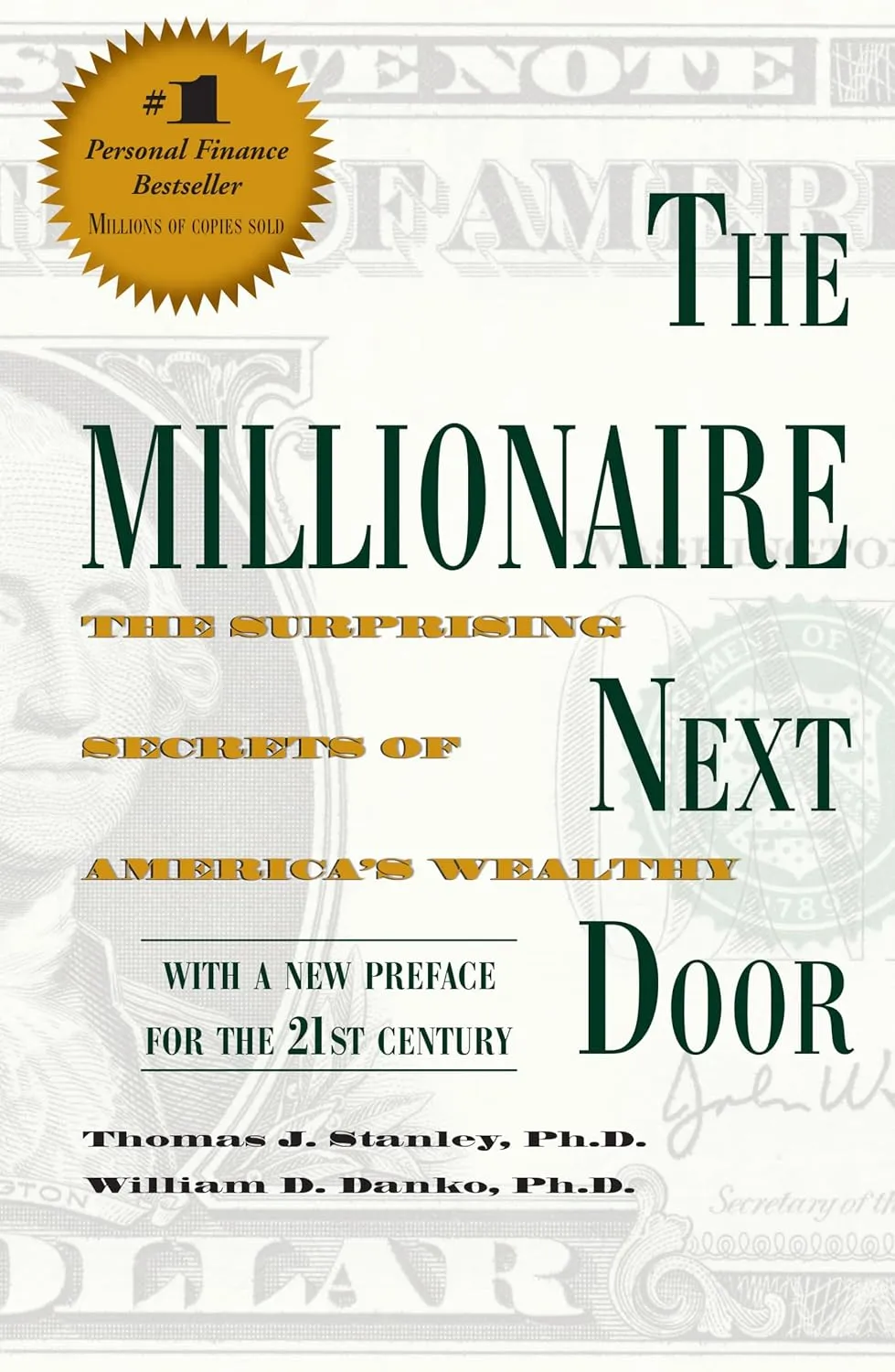
| The Millionaire Next Door | Data-driven research | High | Understanding what wealthy people actually do |
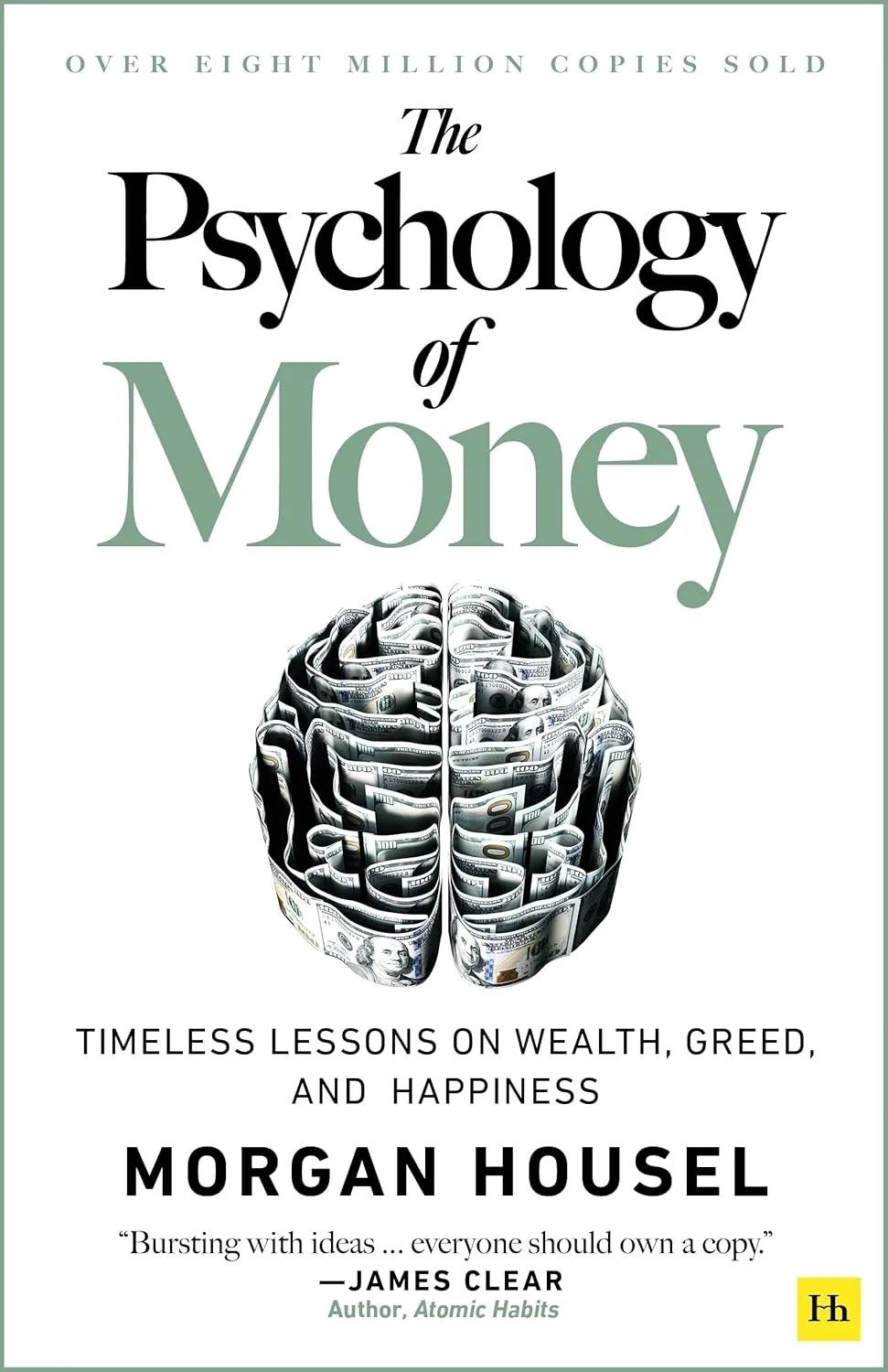
| The Psychology of Money | Behavioral framework | High | Understanding why people make financial mistakes |
| Your Money or Your Life | Systematic program | High | People wanting a step-by-step financial independence plan |
Frequently Asked Questions
Q: Is "rich dad" a real person?
A: Probably not. John Reed's investigation found no evidence of the character's existence, and Kiyosaki has given contradictory answers. Treat the character as a literary device. The lessons should be evaluated on their own merits, not on the authority of the source.
Q: Should I follow Kiyosaki's real estate advice?
A: Only with significant independent research. Kiyosaki's real estate examples assume favorable financing conditions that may not exist. In 2026, with mortgage rates above 6.5%, many of the cash-flow-positive deals he describes are mathematically impossible in most U.S. markets. Consult a qualified real estate professional and run the numbers yourself using our mortgage payoff early calculator.
Q: Did Kiyosaki go bankrupt?
A: Rich Global LLC filed for Chapter 11 bankruptcy in 2012 after losing a $24 million judgment. Kiyosaki personally did not file bankruptcy, but the corporate filing raised questions about the financial practices of someone teaching financial literacy. He has continued to publish and speak since then.
Q: Should I buy gold and Bitcoin like Kiyosaki recommends?
A: Diversification is sound, but Kiyosaki's specific allocations and doom predictions should be treated skeptically. He has been predicting imminent dollar collapse for over 20 years. A small allocation to gold or Bitcoin as part of a diversified portfolio is reasonable; betting your life savings on Kiyosaki's forecasts is not. Read our guide to asset allocation for a balanced approach.
Q: Is the book worth reading if some of the advice is problematic?
A: Yes, for the mindset shift. The asset/liability framework alone justifies the read. Just approach the specific tactics with healthy skepticism and cross-reference with data-driven sources.
Final Verdict
Rating: 3.8/5
Rich Dad Poor Dad is the most influential personal finance book of the last 30 years, and its core message (acquire income-producing assets, escape the rat race, prioritize financial literacy) is genuinely valuable for people who have never been exposed to these ideas. The asset vs. liability cash-flow framework is the single most accessible explanation of wealth building available. But the book's credibility problems are real: the "rich dad" character likely does not exist, specific investment claims are unverifiable, the real estate advice is risky and incomplete, the anti-education bias is contradicted by data, and Kiyosaki's two decades of doom predictions have been consistently wrong. Read it for the mindset shift, then read The Millionaire Next Door for what wealthy people actually do and The Psychology of Money for the behavioral framework that makes wealth building sustainable. Start building your asset column today with our investment return calculator and savings goal calculator.
Get Your Copy
25th Anniversary Edition: Buy on Amazon
Kindle: Buy on Amazon
Audiobook: Buy on Amazon
Prices current as of publication date. Free shipping available with Prime.