*Disclosure: This article contains affiliate links. If you purchase through these links, we may earn a commission at no additional cost to you. We only recommend books we genuinely believe in.
Quick Overview
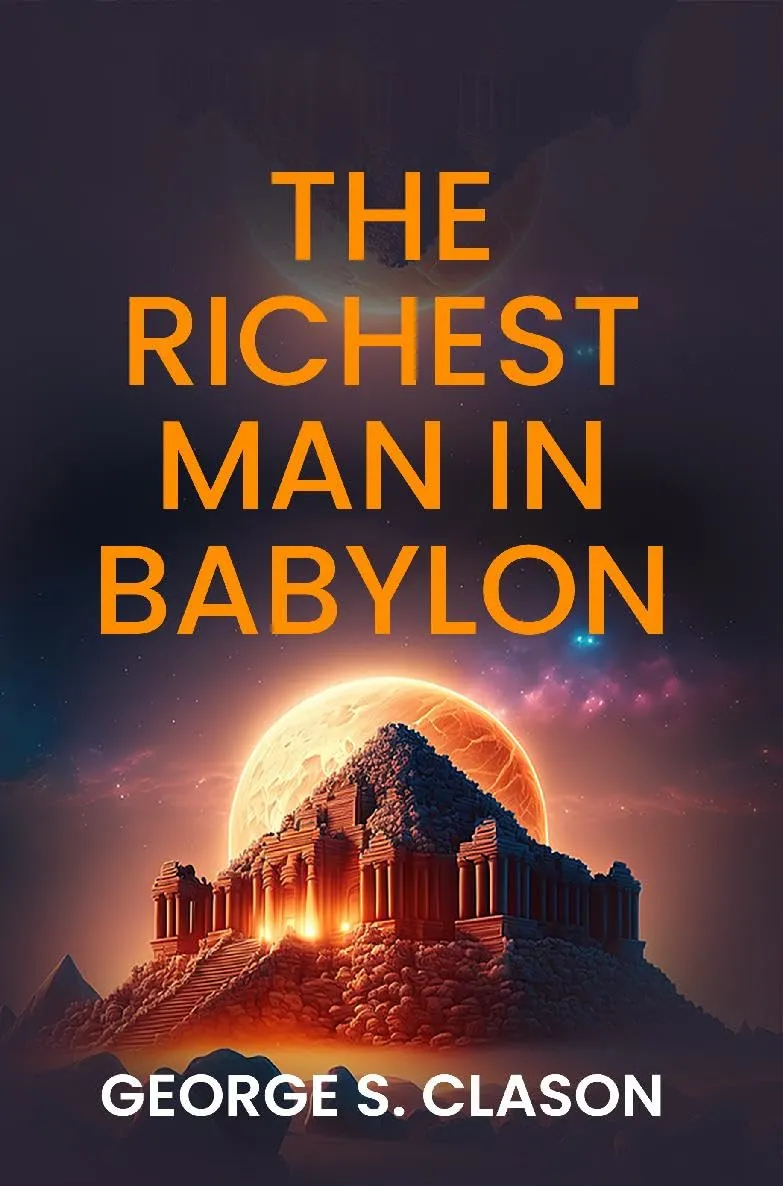
First published in 1926 as a series of pamphlets distributed by banks and insurance companies, The Richest Man in Babylon uses parables set in ancient Babylon to teach timeless financial principles. At 144 pages it is one of the shortest serious personal finance books ever written. Its wisdom on saving, investing, avoiding bad debts, and seeking wise counsel has remained relevant for a century because human financial psychology has not changed. A 2024 study by the Employee Benefit Research Institute found that only 44% of American workers have calculated how much they need to save for retirement, a statistic that would not have surprised George Clason in 1926. The same behavioral gaps he identified, failure to save consistently, inability to distinguish needs from wants, and susceptibility to bad advice, remain the primary barriers to financial security today.
Book Details
| Attribute | Details |
|---|---|
| Title | The Richest Man in Babylon |
| Author | George S. Clason |
| Publisher | Various (public domain editions available) |
| First Published | 1926 |
| Pages | 144 |
| Reading Level | Beginner |
| Amazon Rating | 4.7/5 stars |
Get Your Copy
Paperback: Buy on Amazon
Kindle: Buy on Amazon
Audiobook: Buy on Amazon
About the Author
George Samuel Clason (1874-1957) was an American businessman who founded the Clason Map Company of Denver, Colorado. He wrote the Babylon parables as financial advice pamphlets distributed through banks and insurance companies beginning in 1926. The pamphlets were compiled into book form due to overwhelming demand. Clason was not a professional investor or academic economist but a businessman who had observed what separated people who accumulated wealth from those who did not.
Why Ancient Babylon?
Clason chose Babylon deliberately. The city was the wealthiest in the ancient world not because it had natural resources or trade advantages but because it developed systematic approaches to money management. Clason uses this historical premise to argue that financial wisdom is universal and eternal. The same principles that made Arkad the richest man in Babylon will make you wealthy in any era.
The parable format serves two purposes: it makes abstract financial concepts concrete and memorable, and it removes the defensiveness that direct personal finance advice can trigger. It is easier to learn from a Babylonian merchant's story than to be told you are doing something wrong.
The Seven Cures for a Lean Purse
This is the book's core teaching, delivered by Arkad to a class of men who want to learn how to become wealthy.
Cure 1: Start Thy Purse to Fattening
"For every ten coins thou placest within thy purse take out for use but nine."
Save at least 10% of every dollar you earn before spending anything. Not after expenses. Before. Pay yourself first. For a modern tool to calculate your savings potential, see our budget calculator.
The 10% savings rule, applied:
| Monthly Income | 10% Saved | Annual Savings | 30-Year Value at 8% |
|---|---|---|---|
| $3,000 | $300 | $3,600 | $440,000 |
| $5,000 | $500 | $6,000 | $733,000 |
| $7,500 | $750 | $9,000 | $1,100,000 |
| $10,000 | $1,000 | $12,000 | $1,467,000 |
The principle is not the 10% specifically. It is the habit of treating savings as non-negotiable before any other spending.
Cure 2: Control Thy Expenditures
"That which each of us calls our necessary expenses will always grow to equal our incomes unless we protest to the contrary."
Lifestyle inflation is automatic and inevitable unless deliberately resisted. A budget is the mechanism for resistance.
Arkad's advice: write down everything you want to buy. Separate needs from desires. Budget for 90% of your income. Treat the other 10% as untouchable.
Lifestyle inflation example:
| Income | Year | Spending Without Discipline | Spending With Discipline |
|---|---|---|---|
| $40,000 | Year 1 | $40,000 | $36,000 |
| $60,000 | Year 5 | $60,000 | $48,000 |
| $80,000 | Year 10 | $80,000 | $60,000 |
| $100,000 | Year 15 | $100,000 | $72,000 |
The disciplined saver's lifestyle still improves significantly. The difference goes into wealth instead of lifestyle display.
Cure 3: Make Thy Gold Multiply
"Put each coin to laboring that it may reproduce its kind."
Savings in a jar earn nothing. Invested savings compound. This is the difference between storing wealth and building it. You can see this in action with our compound interest calculator.
Arkad does not specify how to invest, because the specific vehicles change across centuries. The principle is universal: find productive uses for saved money that generate returns, which in turn generate more returns.
The power of reinvestment ($1,000 at 8% annually):
| Year | Value (no reinvestment) | Value (with reinvestment) |
|---|---|---|
| 5 | $1,400 | $1,469 |
| 10 | $1,800 | $2,159 |
| 20 | $2,600 | $4,661 |
| 30 | $3,400 | $10,063 |
| 40 | $4,200 | $21,725 |
Reinvestment produces 5x more wealth over 40 years than simple interest.
Cure 4: Guard Thy Treasures from Loss
"The first sound principle of investment is security for thy principal."
Before seeking returns, preserve capital. Arkad warns against lending to those who cannot repay, investing in unfamiliar ventures, or trusting people who promise extraordinary returns without adequate security.
Modern translation:
Cure 5: Make of Thy Dwelling a Profitable Investment
Own your home rather than pay rent indefinitely. Arkad argues that the man who owns his home is more secure, more committed to his community, and builds equity rather than enriching a landlord.
Modern nuance: Home ownership is not always financially superior to renting (high-cost cities, short time horizons, high transaction costs). The principle of building rather than spending on housing is sound; the specific implementation depends on your circumstances.
Cure 6: Insure a Future Income
"Provide in advance for the needs of thy growing age and the protection of thy family."
Save for retirement and protect against catastrophic loss through insurance. Arkad describes a merchant who sets aside money each month into a protected fund that cannot be touched for current expenses.
Modern application:
| Protection Type | Vehicle |
|---|---|
| Retirement income | 401(k), IRA, pension |
| Disability income | Disability insurance |
| Death protection | Term life insurance |
| Medical catastrophe | Health insurance + HSA |
| Long-term care | LTC insurance (age 55+) |
Cure 7: Increase Thy Ability to Earn
"Cultivate thy own powers, to study and become wiser, to become more skillful, to so act as to respect thyself."
Investing in your own skills and knowledge produces the highest returns. Arkad tells a young man who wishes for more money: first become more valuable. Better skills command higher wages, better opportunities, and more options.
Modern context: The return on a marketable skill (coding, sales, data analysis, communication) can exceed the return on any financial investment for people early in their careers. A $5,000 online course that produces a $15,000 salary increase pays back 300% in year one. For more on increasing your earning potential, read our guide on negotiating a job offer.
The Five Laws of Gold
The Five Laws add a framework for thinking about money that complements the Seven Cures.
| Law | Statement | Modern Translation |
|---|---|---|
| First | Gold comes gladly to those who save at least 10% | Consistent saving attracts wealth |
| Second | Gold labors diligently for the wise owner | Invested money compounds |
| Third | Gold clings to the protection of the cautious owner | Capital protection precedes returns |
| Fourth | Gold slips away from the man who invests in businesses he does not understand | Invest only in what you understand |
| Fifth | Gold flees from the man who forces it to impossible earnings | Avoid too-good-to-be-true promises |
The Parables and Their Lessons
Arkad: The Richest Man in Babylon
Arkad was not born rich. He worked as a clay tablet scribe. He asked Algamish, a wealthy money lender, to teach him the secret of wealth. Algamish gave him the 10% rule and asked him to report back in a year.
Arkad saved his 10% but loaned it to a brick maker who lost it all on jewelry. He failed the first test. Algamish told him: you sought returns without seeking safety first. He tried again the next year, this time lending only to those with knowledge and security. By the second year he had begun to accumulate.
The lesson: Knowledge precedes returns. Before optimizing for yield, understand risk.
The Five Men of Babylon
Five men of Babylon each had different relationships with money. One saved nothing. One saved but kept it idle. One invested unwisely and lost it. One invested wisely and built wealth. One sought to grow wealth through understanding.
This parable illustrates that money itself is neutral. The difference in outcomes comes entirely from the habits and wisdom applied to managing it.
The Gold Lender of Babylon
Rodan, a spear maker, receives 50 gold pieces as a gift and is immediately approached by relatives asking for loans. He consults the gold lender Mathon, who shows him a chest containing collateral from every loan he has made.
Mathon's principle: only lend to those who can repay, who have demonstrated responsibility with money, and who borrow for purposes that will generate the ability to repay. Never lend out of sympathy or family obligation alone.
The Book's Limitations
The investment advice is deliberately vague. Clason describes saving and seeking wise counsel for investments but never specifies instruments. In 1926, accessible investment vehicles for ordinary people were limited. Modern readers must translate the principles into index funds, retirement accounts, and diversified portfolios.
The social context is dated. Women, servants, and slaves appear in peripheral roles consistent with ancient Babylonian setting. These aspects of the narrative are historical artifacts.
The lens is accumulation only. The book does not address decumulation, retirement spending, or modern complexity like tax optimization.
Strengths & Weaknesses
What We Loved
Areas for Improvement
Who Should Read This Book
Highly Recommended For
Probably Not For
Comparison to Similar Books
| Book | Format | Depth | Modern Applicability |
|---|---|---|---|
| The Richest Man in Babylon | Parables | Low-Medium | Very High (principles) |
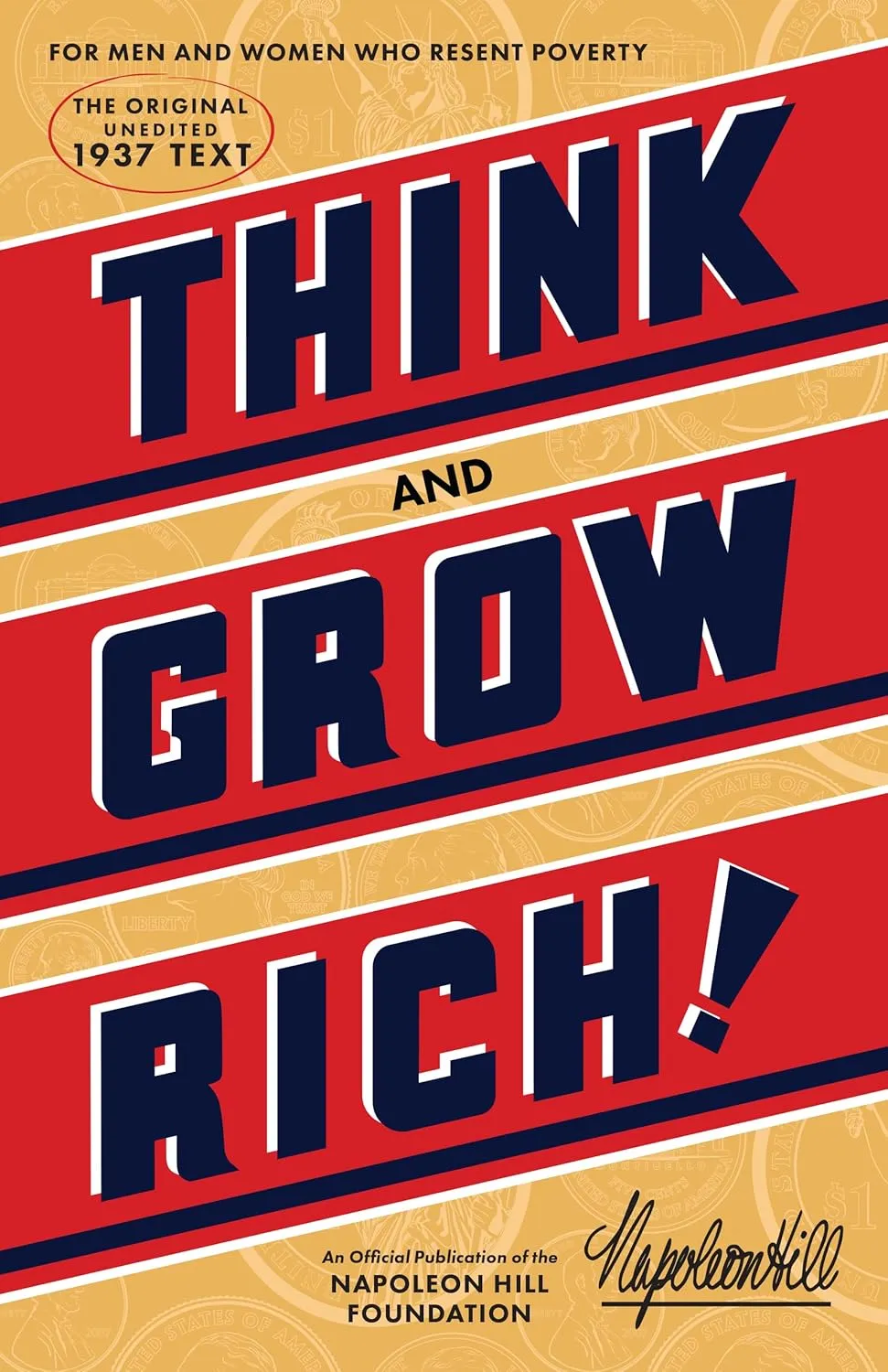
| Think and Grow Rich | Narrative + philosophy | Medium | High |
| Rich Dad Poor Dad | Parable + advice | Medium | Medium |
| The Little Book of Common Sense Investing | Data + argument | Medium | Very High (specific) |
Frequently Asked Questions
Q: The book is almost 100 years old. Is it still relevant?
A: Completely. Human psychology around money has not changed. The 10% savings rule, compounding, avoiding bad advice, and investing in what you understand are as valid today as in 1926.
Q: Is this appropriate for teenagers?
A: It is ideal for teenagers. The parable format is engaging, the principles are simple, and the lessons are foundational. Several financial educators use it as a first book for young adults.
Q: Is there a free version?
A: The original text is in the public domain in many countries. A legal free PDF is available through Project Gutenberg. The paid editions often include better formatting and sometimes additional commentary.
Final Verdict
Rating: 4.6/5
The Richest Man in Babylon belongs in the same category as The Intelligent Investor and The Psychology of Money: books whose core ideas are so sound that they endure for generations. In 144 pages it teaches saving, compounding, risk management, and the value of wisdom more memorably than most 400-page books. Read it in one sitting and the Seven Cures will stay with you indefinitely.
If you are new to personal finance and want the simplest possible framework, this is the book. The parables make the lessons stick in a way that dry instruction cannot. For readers who want to move from these principles to specific investment implementation, our guide on how to start investing bridges the gap.
Get Your Copy
Paperback: Buy on Amazon
Kindle: Buy on Amazon
Audiobook: Buy on Amazon
Prices current as of publication date. Free shipping available with Prime.