*Disclosure: This article contains affiliate links. If you purchase through these links, we may earn a commission at no additional cost to you. We only recommend books we genuinely believe in.
Quick Overview
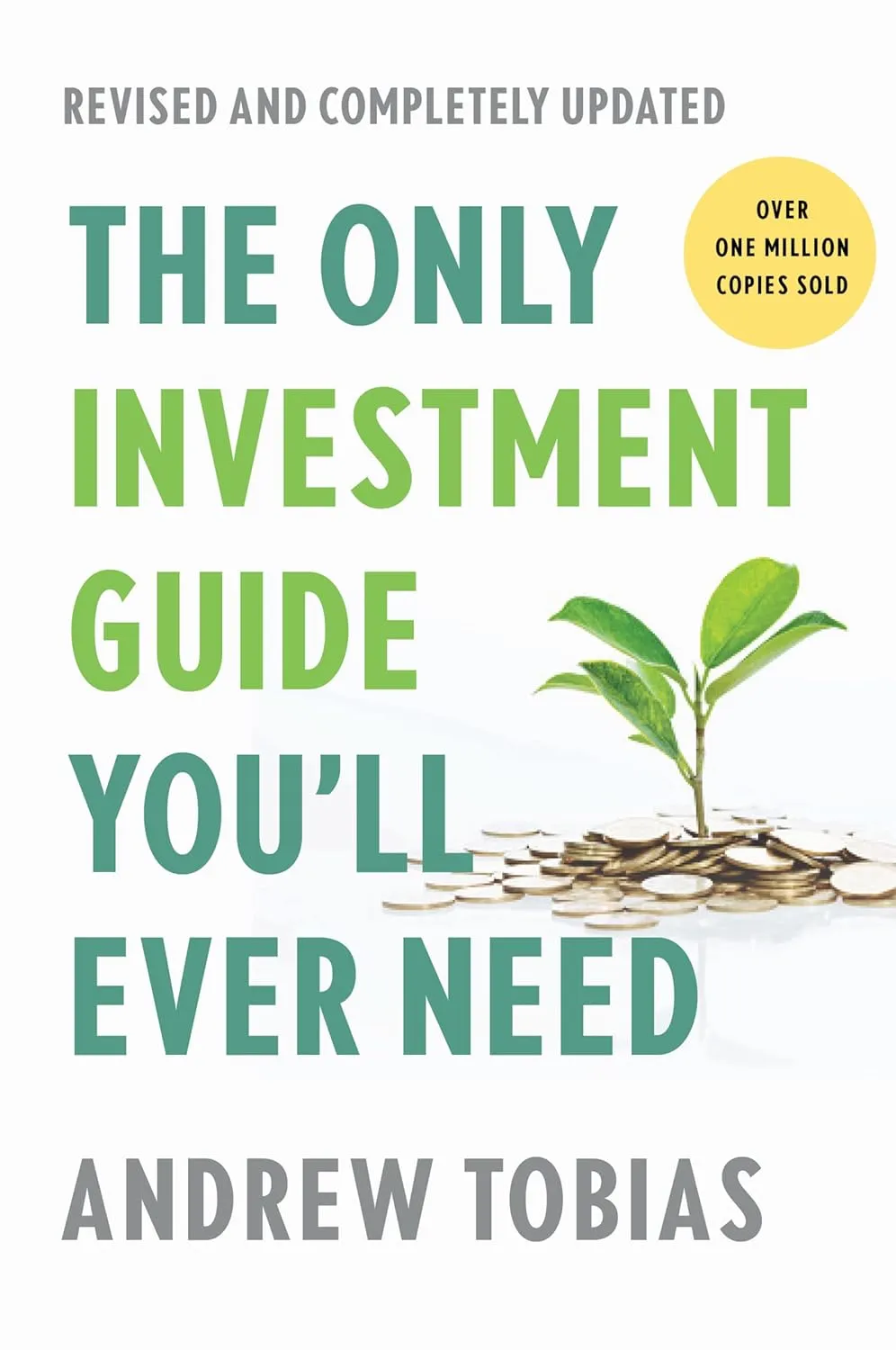
Andrew Tobias first published this book in 1978 and has updated it repeatedly through the decades. It is the most entertaining personal finance book ever written by someone who actually knows what they are talking about. Tobias covers everything from toothpaste coupon arbitrage to stock market investing, with a wit that makes difficult material painless. A 2024 study by the National Bureau of Economic Research found that households who follow simple financial rules of thumb, like those Tobias advocates, accumulate 30% more wealth over 20 years than those who attempt complex strategies without professional guidance. Despite the hyperbolic title, it is an excellent starting point for anyone who needs financial basics explained accessibly and honestly.
Book Details
| Attribute | Details |
|---|---|
| Title | The Only Investment Guide You'll Ever Need |
| Author | Andrew Tobias |
| Publisher | Houghton Mifflin Harcourt |
| First Published | 1978 |
| Latest Edition | Updated through 2016 |
| Pages | ~320 |
| Reading Level | Beginner |
| Amazon Rating | 4.5/5 stars |
Get Your Copy
Paperback: Buy on Amazon
Kindle: Buy on Amazon
About the Author
Andrew Tobias is a Harvard Business School graduate, former treasurer of the Democratic National Committee, and financial journalist who has written for publications including Time, Esquire, and New York magazine. His writing combines genuine financial expertise with a self-deprecating humor that makes complex topics feel approachable. He is also the creator of the Managing Your Money software that was popular in the 1980s and 1990s.
What Makes This Book Unique
Most personal finance books are either too simplistic (save more, spend less) or too technical (here is how to calculate a Sharpe ratio). Tobias occupies the rare middle ground: genuinely educational, completely accessible, and consistently funny. The book's longevity, nearly 50 years in print with regular updates, reflects that its core advice is as sound today as in 1978.
Key Sections and Lessons
Part 1: Don't Spend It, The Foundation of Everything
Tobias opens with spending, not investing, because he understands that the spending problem is more fundamental than the investment problem for most people.
His famous first principle: The best investment available to most people is paying off their credit card debt. A card charging 22% APR produces a guaranteed, risk-free, tax-free return of 22% when paid off. No stock market investment offers that.
The hierarchy of returns:
| Action | Effective Annual Return |
|---|---|
| Pay off 22% APR credit card | 22% guaranteed |
| Pay off 18% APR card | 18% guaranteed |
| Max out employer 401(k) match | 50-100% immediate return |
| Pay off 8% auto loan | 8% guaranteed |
| Invest in total market index fund | 8-10% expected (not guaranteed) |
On frugality: Tobias is funny about this in a way that actually changes behavior. His observation that buying generic versions of household products and investing the difference over 30 years produces surprising wealth is presented with specific calculations that make it concrete rather than preachy.
Sample calculation:
Part 2: Minimal-Risk Investments, Where to Start
Before recommending stocks, Tobias covers the low-risk foundation:
The emergency fund:
Certificates of Deposit:
I-Bonds:
Part 3: The Stock Market
Tobias's stock market advice has evolved toward indexing over the decades, reflecting the accumulating evidence:
His recommendation: Low-cost total market index funds. Not because stock picking is impossible but because for most people without time or analytical resources, indexing produces better results than the vast majority of active approaches.
The mutual fund expense ratio impact:
| Fund Type | Expense Ratio | 30-Year Impact on $100K |
|---|---|---|
| Total market index | 0.03% | -$9,000 in fees |
| Actively managed | 1.00% | -$274,000 in fees |
| High-load fund | 2.00% | -$432,000 in fees |
Tobias's wit: "The best thing you can do is pay as little as possible to get your fair share of the market's returns and then leave the thing alone."
Part 4: Tax Strategies
Tobias covers tax efficiency with unusual clarity for a general-audience book:
The Roth IRA case:
The 401(k) match:
Capital gains timing:
Part 5: Specific Investment Situations
Life insurance: Tobias is emphatic: buy term life insurance, not whole life or universal life. The investment component of whole life policies has high fees and poor returns. Separate your insurance needs (term) from your investment needs (index funds).
Term vs. Whole Life comparison:
| Type | Annual Premium ($500K, 30-year-old) | Investment Return | Recommendation |
|---|---|---|---|
| 20-year term | ~$300-500 | None (pure insurance) | Yes |
| Whole life | ~$3,000-5,000 | 2-4% | No |
Buy term and invest the difference. Over 20 years, the invested difference grows to far more than whole life's cash value.
Real estate: Tobias's view is nuanced: owning your home makes sense in most circumstances, but investment real estate requires more expertise and work than most people realize. He does not dismiss it but calibrates expectations honestly.
Annuities: Generally negative on variable annuities sold by brokers due to high fees. More open to simple income annuities for retirees who genuinely need guaranteed lifetime income.
The Book's Standout Qualities
The Humor That Actually Works
Tobias's writing has a quality rare in finance: it is genuinely funny without sacrificing accuracy. Examples:
On stockbrokers: "Never ask a barber whether you need a haircut."
On market timing: "The market has predicted nine of the last five recessions."
On financial complexity: "Anyone who tells you that you need complex strategies to succeed at investing is either confused or selling something."
These quips are not just decoration. They encode real lessons in memorable form.
The Broad Coverage
Few single books cover the following with equal competence:
This breadth makes it genuinely useful as a first reference for new investors who do not know what they do not know.
Strengths & Weaknesses
What We Loved
Areas for Improvement
Who Should Read This Book
Highly Recommended For
Probably Not For
Frequently Asked Questions
Q: Is the title accurate?
A: It is a marketing claim, not a literal description. For a complete investment education, you will need additional books (especially on index investing and tax efficiency). For a thorough introduction, the title is closer to accurate than most.
Q: Which edition should I buy?
A: The most recent edition available. Tobias updates the book regularly to reflect current tax law, investment options, and interest rate environments. The core principles have not changed, but the specific numbers and products discussed benefit from recency.
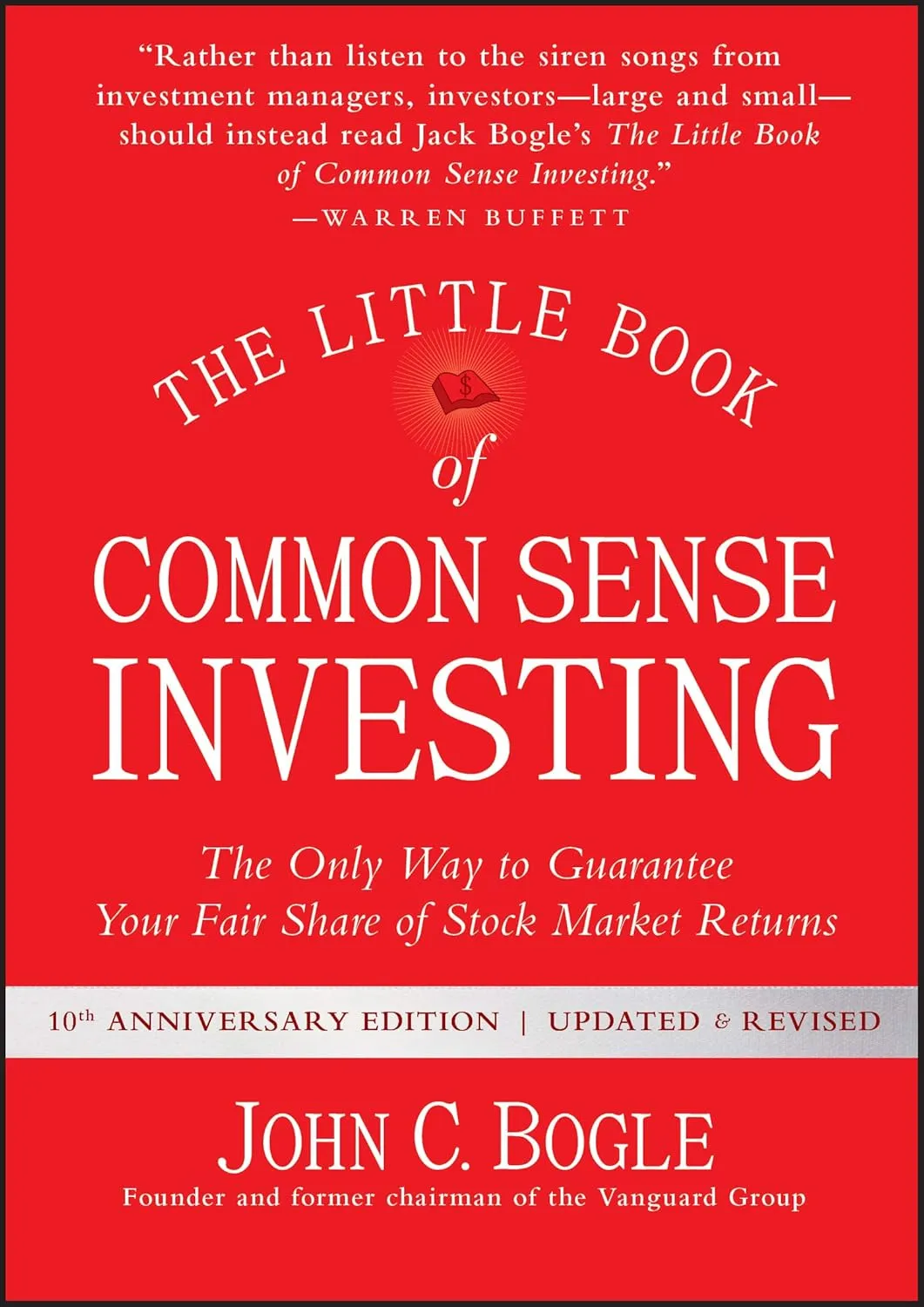
Q: How does this compare to The Little Book of Common Sense Investing?
A: Tobias covers broader financial ground (insurance, debt, savings) while Bogle goes deeper on the specific case for index investing. Read Tobias first for the complete financial picture, then Bogle for the deepest treatment of the investing component.
Final Verdict
Rating: 4.4/5
The Only Investment Guide You'll Ever Need earns its place on the short list of books every financially literate person should read. Its combination of breadth, accuracy, and genuine humor makes it the most approachable entry point into personal finance. Read it as the starting point for a financial education, then specialize based on your specific needs and interests.
If you want one book that covers the full financial landscape without boring you to tears, this is it. Tobias proves that financial education does not require suffering. For readers who want to go deeper on index fund investing after finishing this, our guide on how to start investing is the logical next step.
Get Your Copy
Paperback: Buy on Amazon
Kindle: Buy on Amazon
Prices current as of publication date. Free shipping available with Prime.