
The Minimalist Path to Early Retirement: Spending Less as a Strategy
Lean FIRE means retiring on under $40,000/year. It requires less money, less time, and less income. The tradeoff is a simpler life. Here is how minimalism accelerates FIRE and why spending less is a strategy, not a sacrifice.

The median FIRE number for a $60,000 lifestyle is $1.5 million. The Lean FIRE number for a $30,000 lifestyle is $750,000. That is half the money. Half the working years. Half the income required. The fastest path to early retirement is not earning more. It is needing less. This is the minimalist path to FIRE: spending less as a deliberate strategy to buy back your time.
Minimalist FIRE is often dismissed as deprivation, as living in a van, as sacrificing quality of life. It is none of those things. It is the intentional choice to spend on what matters and cut what does not. The goal is not to live cheaply. The goal is to live freely, sooner. Every dollar you do not spend is a dollar you do not need to earn, save, and invest to reach FIRE. This post covers what Lean FIRE is and how it works, the math of spending less versus earning more, the minimalist budget framework, and how to make simple living feel like freedom rather than deprivation.
The Math of Spending Less vs Earning More
The double benefit of spending less
Every dollar you cut from spending has a double effect: it increases your savings rate AND decreases your FIRE number. Cutting $500/month from expenses ($6,000/year) means you save $6,000 more per year AND need $150,000 less to retire ($6,000 x 25). Earning $6,000 more per year only increases your savings (assuming no lifestyle inflation). It does not reduce your FIRE number. This is why spending less is mathematically more powerful than earning more for FIRE purposes.
The FIRE number comparison
According to Wealthvieu's Lean FIRE analysis, the portfolio targets at different spending levels tell the story:
- $40,000/year spending: FIRE number = $1,000,000
- $30,000/year spending: FIRE number = $750,000
- $25,000/year spending: FIRE number = $625,000
- $20,000/year spending: FIRE number = $500,000
Going from $40K to $25K spending reduces your FIRE number by $375,000. That could mean retiring 10+ years earlier.
The timeline comparison
At $60,000 income, saving 50% ($30,000/year, spending $30,000): FIRE in approximately 17 years. FIRE number: $750,000. At $60,000 income, saving 25% ($15,000/year, spending $45,000): FIRE in approximately 32 years. FIRE number: $1,125,000. The difference between 50% and 25% savings rate is 15 years of working. That is the power of spending less.
The withdrawal rate safety margin
For retirements lasting 40-50+ years, consider 3.25-3.5% withdrawal rate instead of 4%. According to Worth101's Lean FIRE analysis, the numbers at lower withdrawal rates:
- At 3.5%: $30,000/year spending requires approximately $857,000 (instead of $750,000)
- At 3.25%: approximately $923,000
The lower withdrawal rate provides more safety for long retirements but requires a larger portfolio. Recent research from retirement planning experts is converging on 3.25% to 3.5% as a safer starting withdrawal rate in 2026, particularly for early retirees with very long time horizons.
The Minimalist Budget Framework
The spending floor vs discretionary spending
Your spending floor: housing, food, healthcare, transportation, insurance, utilities, basic clothing, taxes. Discretionary spending: travel, dining out, entertainment, hobbies, upgrades, gifts.
In Lean FIRE, most spending is floor. This is the key risk: if $27,000 of a $35,000 budget is essential, only $8,000 can be cut when markets fall or costs rise. The goal is to minimize the floor as much as possible, not just the discretionary spending.
Housing (the biggest floor component)
A paid-off home is the most powerful Lean FIRE lever. If housing drops from $18,000/year to $7,000/year (property tax, insurance, maintenance), your FIRE number drops by $275,000 ($11,000 x 25). The Bureau of Labor Statistics reported that shelter represented 35.6% of the CPI market basket in December 2025.
Options for minimizing housing: paid-off home, house hacking, low-cost areas, roommates, co-living. Read our guide on house hacking and creative housing for strategies.
Food (the second biggest floor component)
Cooking at home: approximately $300/month per person ($3,600/year). Eating out regularly: $600-800/month ($7,200-$9,600/year). The difference: $3,600-$6,000/year. Over 25 years invested at 7%: approximately $273,000 to $455,000. Strategies: meal prep, bulk buying, cooking from scratch, limiting restaurants to special occasions.
Transportation (the third biggest floor component)
Car ownership costs $8,000+/year. For ultra-lean FIRE, car-free living may be necessary in cities with transit access. E-bikes cost $1,000 upfront versus $8,000/year car ownership. A paid-off reliable car (Toyota, Honda) for 15+ years costs $150-200/month in gas and insurance.
Healthcare (the biggest uncertainty)
Before Medicare (age 65): ACA marketplace. Premiums run $400-$1,200/month for a 45-year-old in 2026 (post-enhanced-subsidy expiration). At $32,000 annual spending, a $700/month premium ($8,400/year) consumes 26% of the budget.
Strategies: keep MAGI low for ACA subsidies, use HSA for medical expenses, consider part-time work for employer coverage (Barista FIRE). Read our guide on Barista FIRE and Lean FIRE for healthcare solutions.
Making Minimalism Feel Like Freedom
Reframe spending as time
Every $1,000/month you spend equals approximately $300,000 in required portfolio (at 4% withdrawal). Every $1,000/month you cut equals approximately 5-7 fewer working years (depending on income). When you see a $40 dinner as 2 hours of your life you do not have to work in your 50s, spending decisions change.
Focus on free and low-cost experiences
Libraries: books, movies, museum passes, classes, internet. Parks, hiking, community events, free concerts. Volunteering: meaningful activity that costs nothing. Cooking as a hobby: creative, practical, social (dinner parties). Reading, writing, gardening, meditation: free or nearly free.
The community aspect
Minimalism is easier with community. Friends who share your values make frugal living feel normal, not restrictive. The Lean FIRE community (r/leanfire) is supportive and practical. Surround yourself with people who value time over stuff.
The "enough" mindset
Minimalism is not about having less. It is about having enough. Define what "enough" looks like for you: enough housing, enough food, enough transportation, enough entertainment. Once you define enough, everything beyond it is optional. Optional spending is where the savings live.
FIRE Variants by Spending Level
| Variant | Annual Spending | FIRE Number (4%) | FIRE Number (3.5%) | Lifestyle | Key Risk |
|---|---|---|---|---|---|
| Ultra-lean | $20,000 | $500,000 | $571,000 | Extreme minimalism | Very thin margin, no buffer |
| Lean | $30,000 | $750,000 | $857,000 | Simple, intentional | Most spending is floor |
| Moderate | $40,000 | $1,000,000 | $1,143,000 | Comfortable frugality | Healthcare costs |
| Standard | $60,000 | $1,500,000 | $1,714,000 | Middle-class | Longer working years |
| Fat | $100,000+ | $2,500,000+ | $2,857,000+ | Premium lifestyle | High income required |
Real-World Examples
Example 1: The 30-year-old who cut expenses in half
A 30-year-old earning $55,000 who decides to pursue Lean FIRE. She moves from a $1,400/month apartment to a $700/month shared house. She sells her car with a $380/month payment and buys a $4,000 used Honda. She cuts dining out from $600/month to $150/month.
Her expenses drop from $42,000/year to $26,000/year. Her savings rate jumps from 24% to 53%. Her FIRE number drops from $1.05 million to $650,000. At $29,000/year invested at 7%, she reaches $650,000 in approximately 14 years (age 44). The lifestyle changes bought her 18 years of freedom.
The initial discomfort of shared housing lasted three months. The social adjustment of cooking at home instead of restaurants took six months. The freedom of realizing she needed less than she thought lasted forever.
Example 2: The couple who house-hacked to FIRE
A couple earning $90,000 combined who adopt minimalist FIRE. They house-hack a duplex (effective housing cost $500/month). They cook at home, drive paid-off cars, and use the library for entertainment. Their expenses: $34,000/year. They save $40,000/year (53% savings rate). FIRE number: $850,000.
At $40,000/year at 7%, they reach $850,000 in approximately 13 years (starting at age 30, retiring at 43). They plan to use geographic arbitrage in retirement, moving to a low-cost area where $34,000/year provides a comfortable life. For automating the savings system, read our guide on how to automate your finances.
Common Misconceptions
"Minimalist FIRE means living in poverty." It means living on $25,000 to $40,000/year. In a low-cost area with a paid-off home, that is a comfortable life. Poverty is not having enough. Minimalism is choosing to have enough.
"You have to live in a van." No. Lean FIRE works in apartments, houses, and duplexes. The van life is one option, not a requirement.
"It is only for people without kids." Lean FIRE with kids is harder but possible. The spending floor is higher (healthcare, food, education), but the principles still apply.
"You will be bored." Free time is the point. Hobbies, volunteering, relationships, learning, and creative projects fill the time that work used to consume.
"It is unsustainable for 40+ years." The 4% rule was designed for 30-year retirements. For longer retirements, use 3.25-3.5%. The math still works with a slightly larger portfolio.
"You cannot do it in a high-cost city." You can, but it is harder. Geographic arbitrage to a low-cost area is the most common Lean FIRE strategy. Read our guide on FIRE on a below-median income for more.
Conclusion
The minimalist path to early retirement is the fastest route to FIRE. Spending less has a double benefit: it increases your savings rate and decreases your FIRE number. The math is simple: lower expenses equal lower target equal earlier retirement. The lifestyle requires intentionality: low housing costs, cooking at home, driving reliable used cars, and finding free or low-cost sources of joy. It is not deprivation. It is prioritization of time over stuff.
Minimalism is not about having less. It is about needing less. When you need less, you work less. When you work less, you live more. That is the trade. It is the best trade in personal finance.
Track your spending for one month. Identify three expenses that do not add meaningful value to your life. Cut them. Redirect that money to a Roth IRA. Then read our guide on how to reach FIRE on a below-median income for the full strategy.
This post is for informational purposes only and does not constitute financial advice. Investment returns are not guaranteed. Past performance does not guarantee future results.
Tags
Savvy Nickel Team
Financial education expert dedicated to making complex money topics simple and accessible for everyone.
Recommended Articles

How a Backdoor Roth IRA Works and Whether You Need One
If your income is too high for a direct Roth IRA contribution, the backdoor Roth IRA is a legal workaround. Here is exactly how to execute it in 2026 without triggering unexpected taxes.

What Is a SIMPLE IRA and Does Your Small Business Job Offer a Good One?
A SIMPLE IRA is the most common retirement plan at small businesses with fewer than 100 employees. Here is how it works, what the limits are in 2026, and how to tell if your employer's plan is generous or stingy.

Solo 401(k): The Best Retirement Account Most Self-Employed People Miss
A Solo 401(k) lets self-employed individuals contribute far more to retirement than a SEP IRA at most income levels, with a Roth option and loan provisions too. Here is exactly how it works in 2026.
Run the Numbers
Free calculators related to this article.
FIRE Calculator
Calculate your Financial Independence number and find out how many years until you can retire early. Enter your income, expenses, savings, and expected returns to see your personalized FIRE timeline with Lean, Regular, and Fat FIRE targets.
Open calculator →Retirement Number Calculator
Your retirement number is the amount you need invested to stop working and live on your terms. Calculate your target based on your spending, not a generic multiple of your salary.
Open calculator →Coast FI Calculator
Find out how much you need invested right now so that compound growth alone reaches your retirement number by 65, without saving another dollar. The number is smaller than you think.
Open calculator →Recommended Books
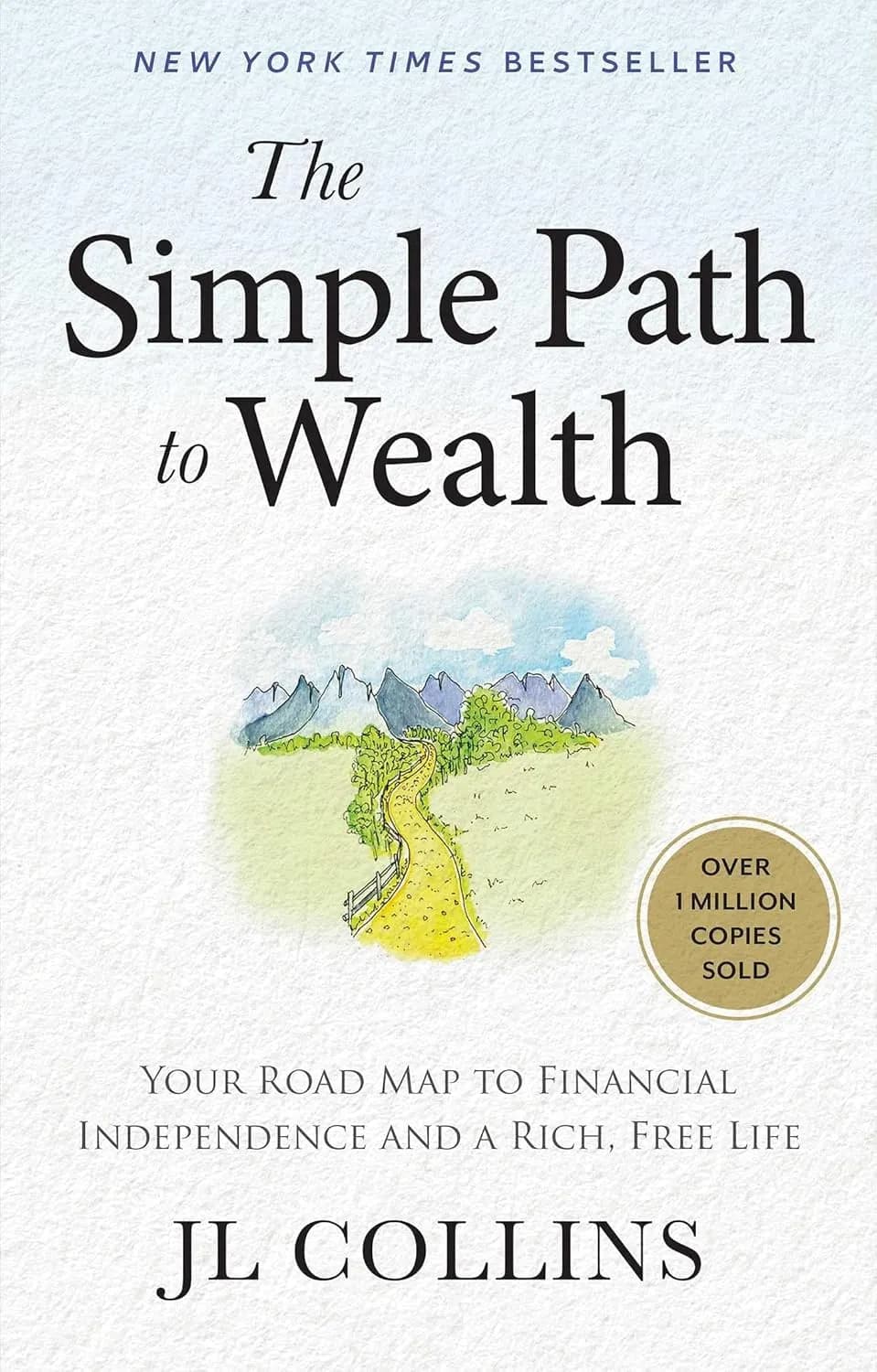
The Simple Path to Wealth
by JL Collins
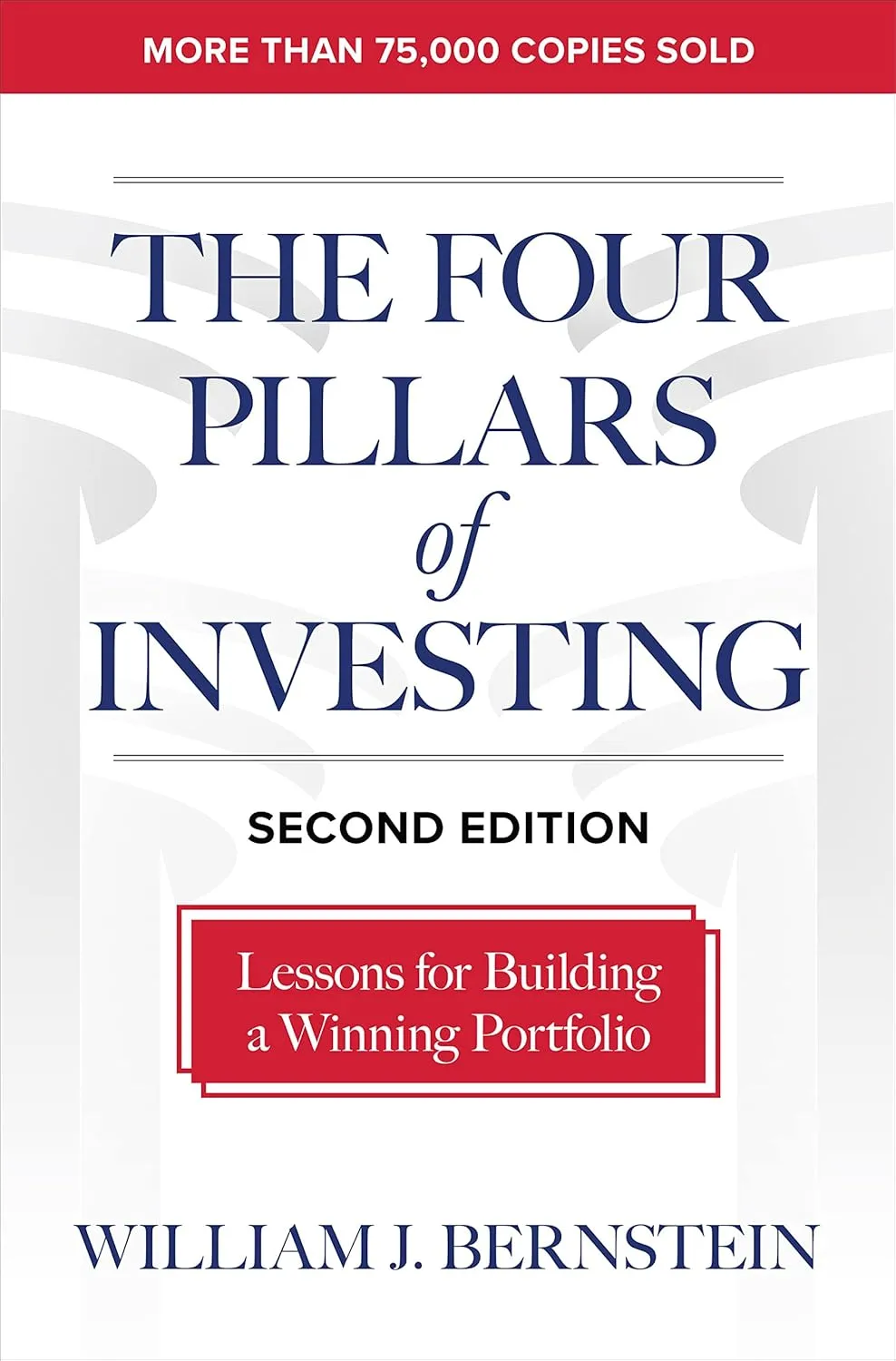
The Four Pillars of Investing: Lessons for Building a Winning Portfolio
by William J. Bernstein
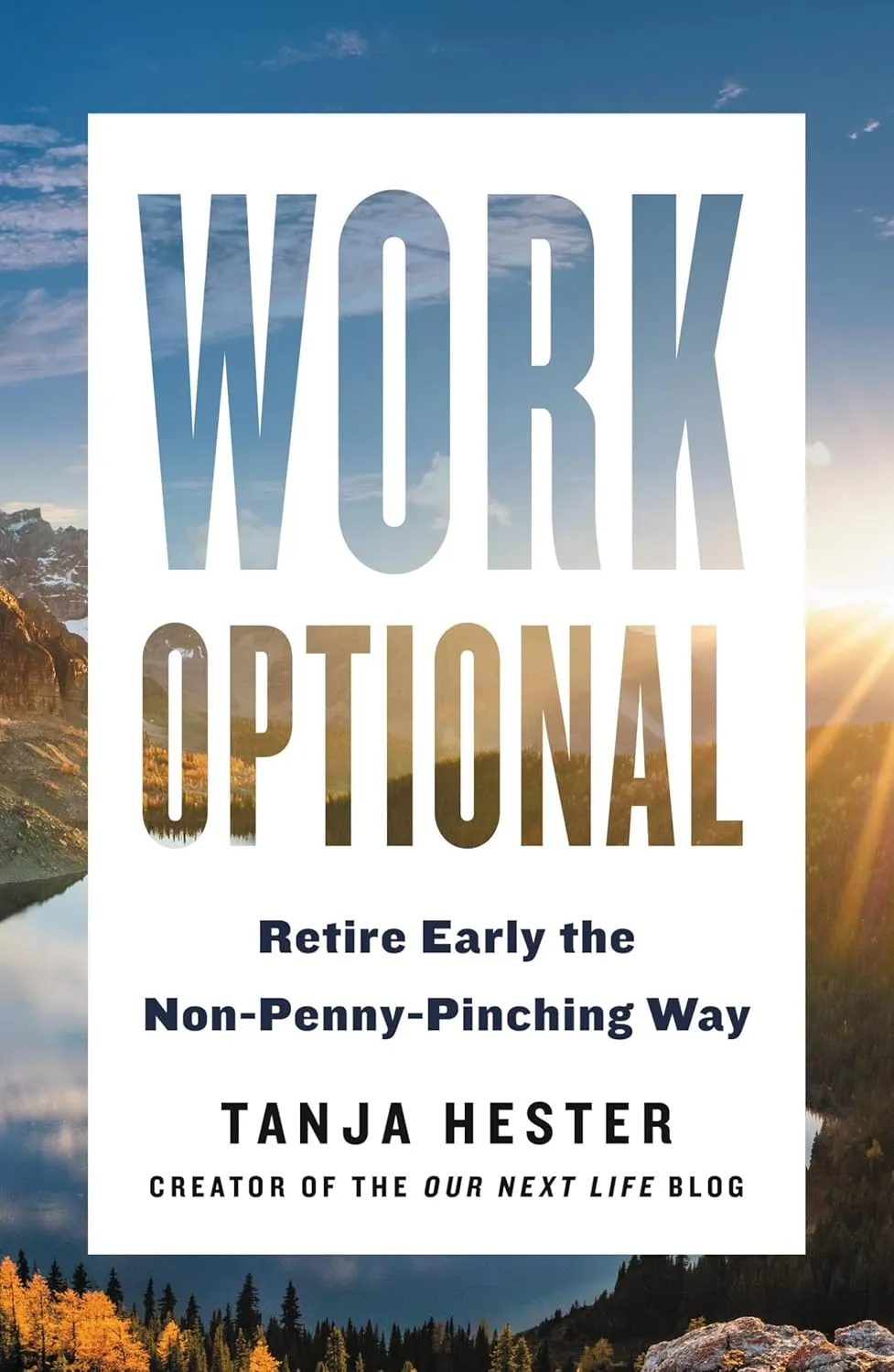
Work Optional: Retire Early the Non-Penny-Pinching Way
by Tanja Hester
Related Glossary Terms
FIRE
FIRE is a movement built on saving and investing 50 to 70 percent of your income so you can reach financial independence decades before the traditional retirement age of 65. The math relies on the 25x rule and a 4 percent safe withdrawal rate.
Retirement
Retirement is the phase of life when you stop working for income and live off savings, pensions, and Social Security. Most Americans retire around age 62, but planning should start decades earlier.
Retirement Planning
Retirement planning is the process of calculating how much money you need to stop working and building a strategy to get there. It covers saving rates, investment allocation, tax optimization, and withdrawal planning.
Financial Independence
Financial independence means having enough invested assets to cover living expenses without needing employment income. The standard target is 25x annual expenses, based on the 4% withdrawal rule.
Required Minimum Distribution
A Required Minimum Distribution (RMD) is the minimum amount you must withdraw from tax-deferred retirement accounts each year starting at age 73, as mandated by the IRS under SECURE 2.0 Act rules.
RMD
An RMD (Required Minimum Distribution) is the mandatory annual withdrawal the IRS requires from tax-deferred retirement accounts starting at age 73, with a 25% penalty for missed withdrawals.
Recommended Podcasts

Afford Anything
by Paula Pant
Paula Pant blends real estate investing with money psychology and life design. Weekly Q&A and First Friday deep dives, 746+ episodes, and a 4.8 Apple rating.

The Money Guy Show
by Brian Preston, CPA/CFP & Bo Hanson, CFA/CFP
Two fee-only financial advisors break down the Financial Order of Operations, a 9-step wealth-building framework. 617K YouTube followers and a 4.8 Apple rating.
The Long View
by Christine Benz, Amy Arnott & Ben Johnson
Morningstar's weekly deep-dive interview show on retirement, portfolio strategy, and fund analysis. 387 episodes, hosted by Christine Benz and the Morningstar research team.