*Disclosure: This article contains affiliate links. If you purchase through these links, we may earn a commission at no additional cost to you. We only recommend books we genuinely believe in.
Quick Overview
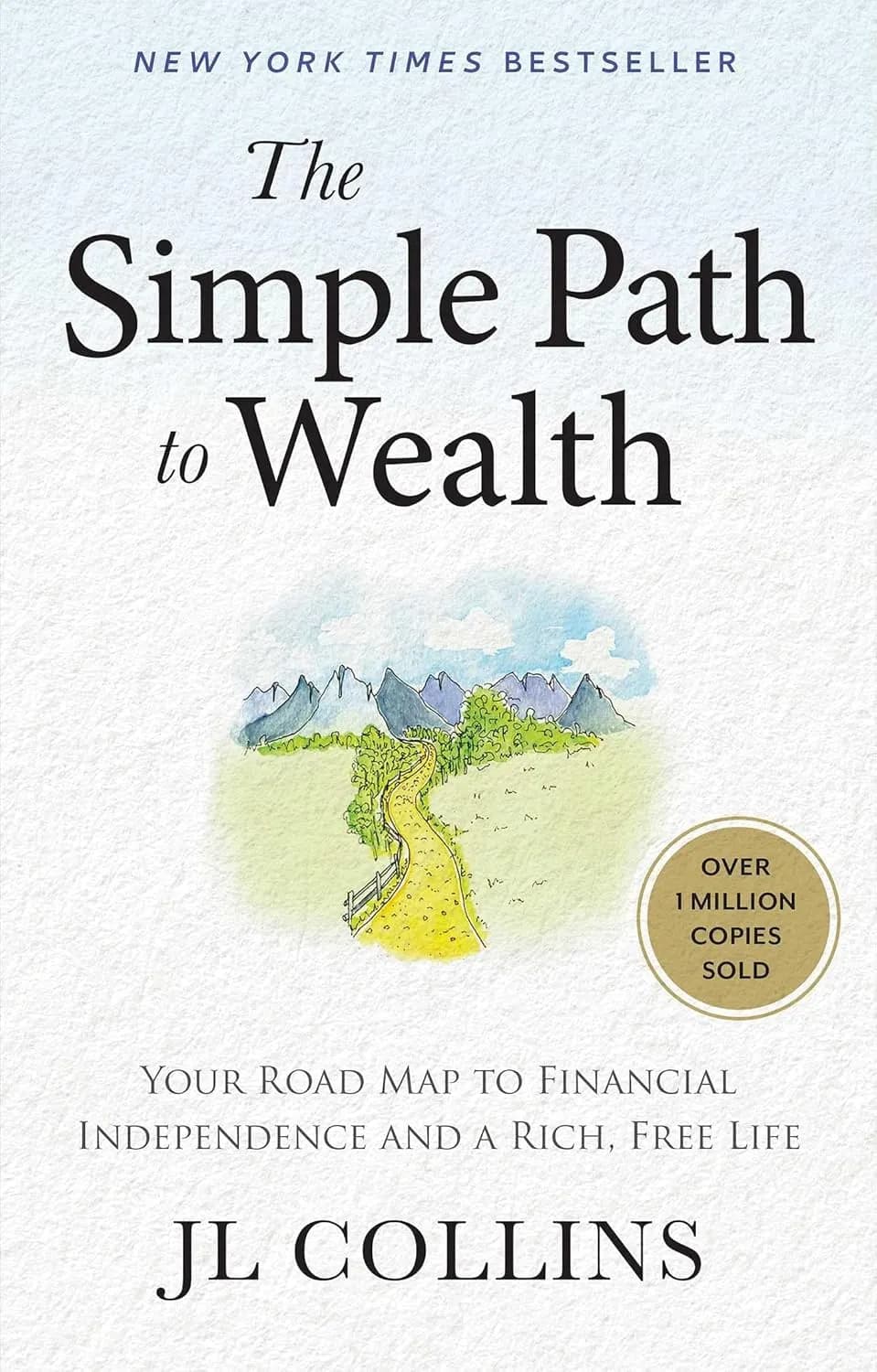
JL Collins started writing investing advice in a series of blog posts intended for his daughter, who had little interest in finance but needed to know how money worked before she entered the world. Those posts became the most widely read series on the jlcollinsnh.com blog and eventually this book. The Simple Path to Wealth is exactly what the title says: a single, clear, no-nonsense path to financial independence using one fund, one strategy, and the patience to stay the course. A 2024 S&P Dow Jones Indices SPIVA study showed that over 15 years, 92% of large-cap actively managed funds underperformed the S&P 500, the strongest evidence yet that Collins's simple index fund approach is not just easy but optimal for the vast majority of investors.
Book Details
| Attribute | Details |
|---|---|
| Title | The Simple Path to Wealth |
| Author | JL Collins |
| Publisher | Self-published |
| Published | 2016 |
| Pages | 286 |
| Reading Level | Beginner |
| Amazon Rating | 4.7/5 stars |
Get Your Copy
Paperback: Buy on Amazon
Kindle: Buy on Amazon
Audiobook: Buy on Amazon
About the Author
JL Collins is a semi-retired investor and writer who spent 30+ years in various corporate positions before achieving financial independence. He is not a credentialed financial professional, which he considers a feature rather than a bug. His blog at jlcollinsnh.com is one of the most widely read personal finance resources on the internet. His philosophy is shaped by decades of first-hand investing experience through multiple market crashes, not just academic research.
The Core Philosophy: F-You Money
Collins opens with a concept that cuts through financial euphemism: F-You Money. This is the amount of money that gives you the freedom to say no to things you do not want to do, to walk away from bad situations, and to make choices from a position of security rather than desperation.
This does not require being a millionaire. It requires having enough saved that you could survive a job loss, a bad employer, a difficult situation, without panic. Collins argues that this financial cushion changes your entire relationship with work, relationships, and decisions.
F-You Money thresholds (approximate):
| Stage | Amount | What It Buys |
|---|---|---|
| Basic cushion | 3-6 months expenses | Ability to quit a bad job |
| Real options | 1-2 years expenses | Ability to pursue alternatives |
| Financial independence | 25x annual expenses | Work becomes optional |
The Two Phases of Financial Life
Collins structures the entire book around two phases:
Phase 1: Wealth Accumulation
The strategy: Spend less than you earn. Invest the difference in VTSAX. Never sell.
That is the complete strategy. Collins is deliberately radical in his simplicity. He argues that complexity in investing serves the financial industry, not investors. Every layer of complexity adds cost without adding expected return.
VTSAX: Vanguard Total Stock Market Index Fund Admiral Shares. As of 2026, this fund:
Phase 2: Wealth Preservation
Once you have reached financial independence, the strategy shifts from growth to sustainability.
The 4% Rule:
Based on the Trinity Study (1998), which examined withdrawal rates across historical market conditions going back to 1926:
| Withdrawal Rate | 30-Year Success Rate (historical) |
|---|---|
| 3% | ~100% |
| 4% | ~95% |
| 5% | ~82% |
| 6% | ~68% |
Collins recommends 4% as a conservative starting withdrawal rate, reducing to 3.5% or 3% for very early retirees (40s or younger) who face longer potential retirement periods.
Portfolio needed at different spending levels:
| Annual Spending | 4% Rule Portfolio Needed |
|---|---|
| $30,000 | $750,000 |
| $40,000 | $1,000,000 |
| $50,000 | $1,250,000 |
| $60,000 | $1,500,000 |
| $80,000 | $2,000,000 |
| $100,000 | $2,500,000 |
Key Chapters
Why You Need F-You Money
Collins opens with the story of a mentor who kept his finances simple for exactly this reason. When his employer asked him to do something unethical, he simply left. No panic. No desperate compliance. The financial cushion made integrity affordable.
The lesson extends beyond dramatic moments. When you have F-You Money, you negotiate salaries differently. You take career risks differently. You tolerate bad days differently. Financial security is not just about retirement. It is about the quality of every interaction from a position of strength.
Debt: The Opposite of Wealth
Collins does not moralize about debt, but he is clear about the math. Debt at interest rates above your expected investment return is a guaranteed wealth destroyer.
The debt priority framework:
| Debt Type | Typical Rate | Action |
|---|---|---|
| Credit cards | 20-29% APR | Pay off immediately, always |
| Personal loans | 8-20% APR | Pay off before investing |
| Auto loans | 4-8% APR | Pay off, or invest simultaneously |
| Mortgages | 3-7% APR | Invest alongside (market likely beats rate long-term) |
| Student loans (subsidized) | 3-6% APR | Situational; invest alongside if rate is low |
How to Think About Market Crashes
Collins devotes an entire chapter to what he calls the single most important concept in the book: the stock market always goes up over time, and temporary declines are buying opportunities, not emergencies. For more on this topic, read our guide on what happens when the market crashes.
Market recovery data (S&P 500):
| Crash | Decline | Recovery Time | Subsequent Decade Return |
|---|---|---|---|
| 1929-1932 | -89% | ~25 years | Positive |
| 1973-1974 | -48% | 7 years | Strong |
| 2000-2002 | -49% | 7 years | Moderate |
| 2008-2009 | -57% | 5 years | Exceptional |
| 2020 (COVID) | -34% | 5 months | Exceptional |
Every crash in U.S. history has been followed by new highs. This does not guarantee the future will match the past. But it establishes the base rate: patience has always been rewarded.
Collins's counter-intuitive advice during crashes:
The Stock Series: Why Stocks?
Collins makes the case for equities over every alternative:
| Asset Class | Historical Real Return (after inflation) | Volatility |
|---|---|---|
| Cash / savings account | -1% to 0% | Very Low |
| Short-term government bonds | 0.5-1% | Very Low |
| Long-term government bonds | 1-2% | Medium |
| Gold | 0.5-1% | High |
| Real estate (index) | 4-5% | Medium-High |
| U.S. stocks (total market) | 6.5-7% | High |
Stocks win over long periods because they represent ownership in productive businesses. Every other asset class is either a loan (bonds), a commodity (gold), or a claim on property. Business ownership compounds through earnings reinvestment. Nothing else has the same long-run compounding engine.
VTSAX and Chill: The Complete Strategy
The book's most famous section is its simplest. Collins's complete investment strategy:
During accumulation:
During retirement:
That is it. Collins is emphatic that adding complexity to this strategy provides no benefit and creates multiple opportunities for behavioral error.
The recommended retirement allocation:
| Age | Stocks (VTSAX) | Bonds (VBTLX) |
|---|---|---|
| 20-35 | 100% | 0% |
| 36-50 | 90% | 10% |
| 51-60 | 75-80% | 20-25% |
| 60+ (accumulation) | 65-75% | 25-35% |
| Retirement | 60-75% | 25-40% |
The F-Word: Fees
Collins dedicates extensive space to the compounding cost of fees, presented with the clarity of personal experience rather than abstract data.
A tale of two investors, both earning 7% market return over 30 years:
| Investor | Annual Fee | Starting Amount | Ending Value |
|---|---|---|---|
| Index investor | 0.04% | $100,000 | $753,000 |
| Active fund investor | 1.20% | $100,000 | $554,000 |
| Advisor + fund fees | 2.00% | $100,000 | $432,000 |
The fee difference between the index investor and the advisor-managed investor is $321,000 on a $100,000 starting investment. Collins's language on this topic is direct: paying 2% in annual fees to manage a retirement portfolio is, mathematically, financial self-harm. For a deeper look at how fees eat returns, read our guide on expense ratios.
What Collins Does Differently
Unlike most personal finance authors, Collins:
Strengths & Weaknesses
What We Loved
Areas for Improvement
Who Should Read This Book
Highly Recommended For
Probably Not For
Comparison to Similar Books
| Book | Simplicity | FIRE Focus | Tax Depth | Best For |
|---|---|---|---|---|
| The Simple Path to Wealth | Very High | High | Medium | Beginners to intermediates |
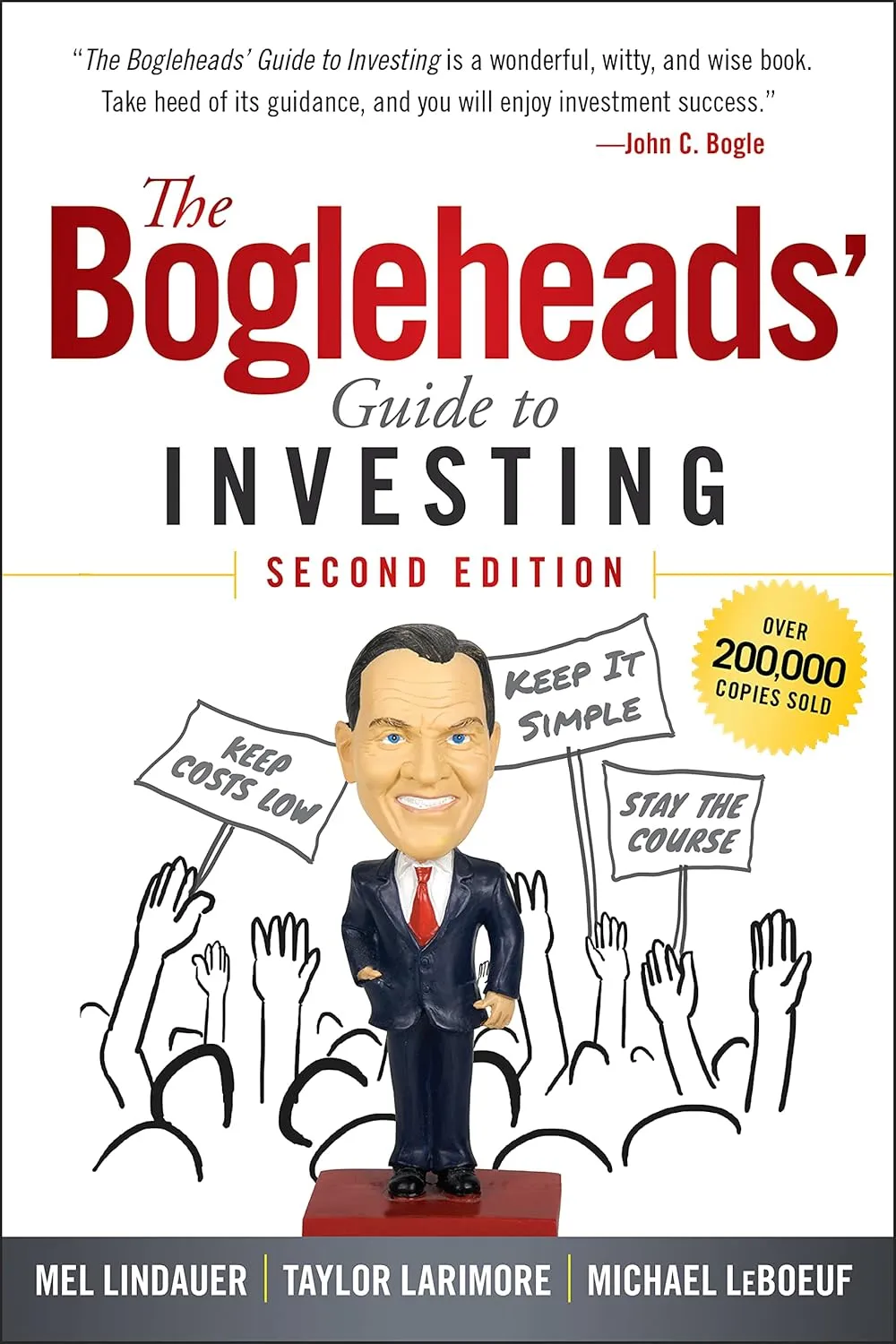
| Bogleheads' Guide to Investing | High | Medium | High | Full implementation detail |
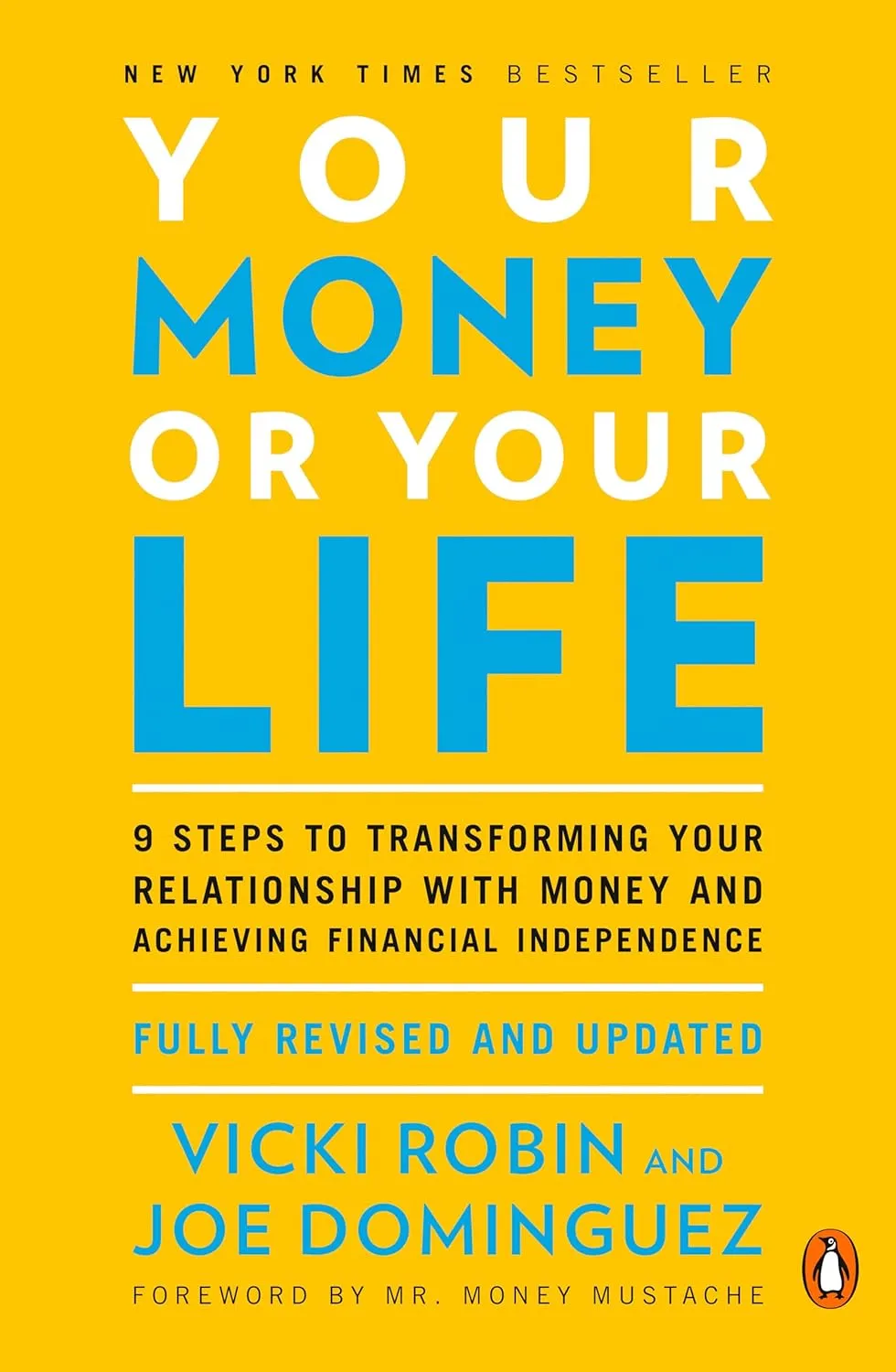
| Your Money or Your Life | Medium | Very High | Low | Philosophy + lifestyle design |
| Early Retirement Extreme | Low | Very High | Low | Hardcore FIRE practitioners |
Frequently Asked Questions
Q: Is VTSAX really all you need?
A: For most U.S. investors in tax-advantaged accounts, yes. VTSAX owns every publicly traded U.S. company. Adding international exposure is academically supported and many Bogleheads recommend it, but Collins argues U.S. multinationals provide sufficient global diversification.
Q: What if I can't afford the $3,000 VTSAX minimum?
A: Buy VTI instead. It is the ETF equivalent of VTSAX with identical holdings and a 0.03% expense ratio. No minimum purchase beyond one share (~$280 as of mid-2026).
Q: Is the 4% rule still safe given current market valuations?
A: This is legitimately debated. A 2024 study by Morningstar found that starting valuations in the 90th percentile reduce safe withdrawal rates to approximately 3.3% over 30 years. Collins acknowledges this and recommends flexibility in spending during downturns. For a practical tool, see our retirement calculator.
Q: Collins doesn't recommend international funds. Should I add them?
A: Most academic research and Vanguard's own guidance recommends 20-40% international allocation. Collins's argument that U.S. companies provide global exposure has merit but is contested. For most investors, adding a total international index fund (VXUS) alongside VTSAX is a reasonable modification.
Final Verdict
Rating: 4.8/5
The Simple Path to Wealth is the best first investing book for anyone who just wants to know what to do and do it. Collins's single-fund strategy is not theoretically perfect, but it is practically superior to almost everything else because it eliminates the complexity, cost, and behavioral errors that destroy most investors' returns. Read it, implement it, then live your life.
If you want one book that tells you exactly what to buy and how to hold it through every market condition, this is it. The strategy takes 30 minutes to implement and the rest of your life to maintain. For readers who want to understand the broader financial independence movement, our guide on FIRE fundamentals covers the lifestyle side.
Get Your Copy
Paperback: Buy on Amazon
Kindle: Buy on Amazon
Audiobook: Buy on Amazon
Prices current as of publication date. Free shipping available with Prime.