
What Is Open Banking and How Can It Help You Manage Money Better
Open banking lets you share your financial data securely with apps that help you budget, invest, and save. Here is what it means for you in 2026, and why the rules are still changing.

When you connect your bank account to a budgeting app like YNAB or an investment tracking tool, you are using open banking, even if you have never heard the term. The system that makes this possible is undergoing a major shift in the US right now.
"Open banking" sounds like industry jargon, but it directly affects your ability to use budgeting apps, switch banks, and get better loan rates. Understanding how it works (and why the rules are currently in flux) helps you make better decisions about which financial apps to trust with your data.
Here is what open banking is, how the CFPB's Section 1033 rule was supposed to change it, why the rule is currently paused, and what it means for you as a consumer in 2026.
What Open Banking Actually Means
Open banking is a system where banks must let you share your own financial data with third-party apps you authorize. The core idea: your data belongs to you, not your bank. You should be able to move it, share it, and use it with whichever tool serves you best.
What it enables in practice:
- Budgeting apps that see all your accounts in one place
- Loan comparison tools that access your transaction history (with your permission) to offer better rates
- Switching tools that help you move your banking setup to a new institution
- "Pay by bank" as an alternative to credit cards for online purchases
The old way of doing this was called screen scraping. Apps literally logged into your bank with your username and password, copied the screen data, and parsed it. This was risky (you were handing over your login credentials) and fragile (it broke every time the bank changed its website layout). Open banking replaces this with secure APIs: standardized connections where you authorize specific data access for a specific time period, without sharing your password.
The CFPB Section 1033 Rule and Why It Is Paused
The CFPB finalized the Personal Financial Data Rights rule in October 2024 under Section 1033 of the Dodd-Frank Act. The rule required banks to make your data available to you and authorized third parties, free of charge, via secure APIs. No more screen scraping.
The rule set a phased compliance schedule. The largest banks were supposed to comply by April 1, 2026, with smaller institutions following in tiers through April 2030.
What happened instead: a federal court in the Eastern District of Kentucky issued a preliminary injunction blocking the CFPB from enforcing the rule. The CFPB's Personal Financial Data Rights rule page provides the official status.
The sequence of events:
- October 2024: CFPB finalizes the rule. Bank Policy Institute, Kentucky Bankers Association, and Forcht Bank file suit the same day.
- Early 2025: Under new leadership, the CFPB tells the court it now views its own rule as unlawful, siding with the bank plaintiffs.
- August 2025: CFPB publishes an Advance Notice of Proposed Rulemaking, reopening four key areas for public comment: who qualifies as an "authorized third party," data security standards, data privacy, and whether banks can charge fees for data access.
- Early 2026: The court grants a preliminary injunction. The rule is enjoined, not vacated. It still exists on paper but cannot be enforced.
- April 1, 2026: The first compliance deadline arrives but does not become a binding enforcement trigger.
As of mid-2026, the rule is paused and being rewritten. The Open Banking Tracker's Section 1033 status page tracks the latest developments. The direction of travel is clear (toward open banking), but the timeline and specifics are uncertain.
What Open Banking Means for You Practically
Better budgeting and tracking apps
Secure API connections replace screen scraping, meaning fewer broken connections and better security. Apps like Monarch, YNAB, and Rocket Money benefit from standardized data access. When your bank changes its website, the API connection keeps working instead of breaking. This is especially relevant if you use free investment tracking tools that rely on account aggregation.
Easier bank switching
The "number portability" concept: you can move your banking relationship the way you switch phone carriers. Currently, switching banks is painful because bill pay, direct deposit, and autopay all need manual updating. Open banking could let an app handle this migration automatically.
Pay by bank
An alternative to credit cards for online payments. Money moves directly from your bank account via API instead of through the card network. Lower fees for merchants (no interchange fees, which typically run 2 to 3%), potentially lower prices for consumers. J.P. Morgan Payments and other major banks are building out pay-by-bank infrastructure.
Better loan and credit access
Lenders can access your transaction history with your permission instead of relying solely on credit scores. This helps "thin file" borrowers who have limited credit history but steady income. A fintech lender can see 12 months of consistent rent payments and steady income deposits, even if your FICO score is thin.
Privacy and security improvements
Standardized authorization screens: you see exactly what data an app is requesting and for how long. The original rule included a one-year authorization sunset, meaning apps must re-request access annually. This eliminates the practice of apps storing your bank login credentials indefinitely, which is how screen scraping works today. For broader financial data security, read our guide on how to freeze your credit.
What Has Not Changed Yet
The rule is paused, so banks are not legally required to provide free API access. Many large banks already offer API access voluntarily through aggregators like Plaid and Akoya, but the terms are commercial, not regulatory. The bank decides what data to share, how fast, and at what price.
JPMorgan and Plaid struck a paid data-access deal in September 2025. Under this arrangement, the fintech apps that use Plaid to connect to JPMorgan accounts may be paying for that access. Whether those costs get passed on to consumers is an open question. Some apps may start charging fees they previously absorbed.
The market is converging on the FDX (Financial Data Exchange) API standard regardless of the rule's status. Banks and fintechs are adopting FDX voluntarily because it reduces integration costs and improves reliability. The regulatory pause slows adoption but does not reverse it.
Old Way vs Open Banking
| Feature | Screen Scraping (Old) | API-Based Open Banking (New) |
|---|---|---|
| Security | App stores your bank login credentials | App receives a time-limited token, no credentials stored |
| Reliability | Breaks when bank changes website | API contract stays stable across UI changes |
| Data scope | App sees everything you can see | App requests specific data fields only |
| Consumer control | All or nothing, no expiration | Granular consent with expiration date |
| Bank cooperation | Actively blocked by some banks | Standardized API endpoints |
| Fee model | Free to consumer (app pays aggregator) | Under reconsideration: free, fee-based, or hybrid |
How to Protect Your Financial Data Now
The rule is paused, but you still have tools to protect your data:
- Only authorize apps you trust and that have clear, readable privacy policies
- Check what data access each app has and revoke access for apps you no longer use (most banks let you manage third-party access from your security settings)
- Use apps that support FDX-standard API connections rather than screen scraping
- Do not reuse your bank password with any third-party app
- Monitor your bank for unauthorized data-sharing notifications
For a comprehensive guide on protecting your financial identity, read our post on identity theft protection. If you use a digital wallet or payment app, the same data-sharing principles apply.
The Bottom Line
Open banking is happening with or without the CFPB rule. The direction is clear: your financial data is becoming more portable, more secure, and more useful. The pause in the Section 1033 rule means the benefits are arriving slower and less uniformly than planned, but they are still coming.
The biggest practical impact for most people is invisible: fewer broken app connections, better security, and eventually lower costs for moving money. You do not need to do anything to "enable" open banking. It is being built into the plumbing of the financial system.
Review which apps have access to your financial data today, and bookmark this page for updates as the regulatory picture evolves.
This post is for informational purposes only and does not constitute financial or legal advice. Regulatory status is current as of July 2026 and may change. For official updates, consult the [CFPB website](https://www.consumerfinance.gov) and the [Open Banking Tracker](https://www.openbankingtracker.com).
Tags
Savvy Nickel Team
Financial education expert dedicated to making complex money topics simple and accessible for everyone.
Recommended Articles

What to Do If You Lose Everything Financially
Chapter 7 stays on your credit report 10 years, Chapter 13 for 7. But 99% of non-dismissed Chapter 7 cases discharge. Here is how to rebuild from zero.

How to Freeze Your Credit and Why It Is the Single Best Fraud Prevention Step
A credit freeze is free, takes 30 minutes, and prevents anyone from opening credit accounts in your name. It is the single best fraud prevention step you can take. Here is exactly how to freeze your credit at all three bureaus.

How the Roth IRA Saves You Money on Taxes Decades Later
The Roth IRA's tax advantage is invisible today but enormous over time. Here is exactly how it works, who it benefits most, and why starting early changes everything.
Run the Numbers
Free calculators related to this article.
Dividend Calculator
Project your dividend income year by year, track your yield on cost, and see how reinvesting dividends accelerates portfolio growth. Includes tax adjustments and dividend growth.
Open calculator →Financial Ratio Calculator
Turn your balance sheet and income statement into liquidity, profitability, and leverage ratios with health ratings and industry context.
Open calculator →Income Tax Calculator
Calculate your 2026 federal income tax with a bracket-by-bracket breakdown. See how 401(k), IRA, and HSA contributions shrink your taxable income and your tax bill.
Open calculator →Recommended Books
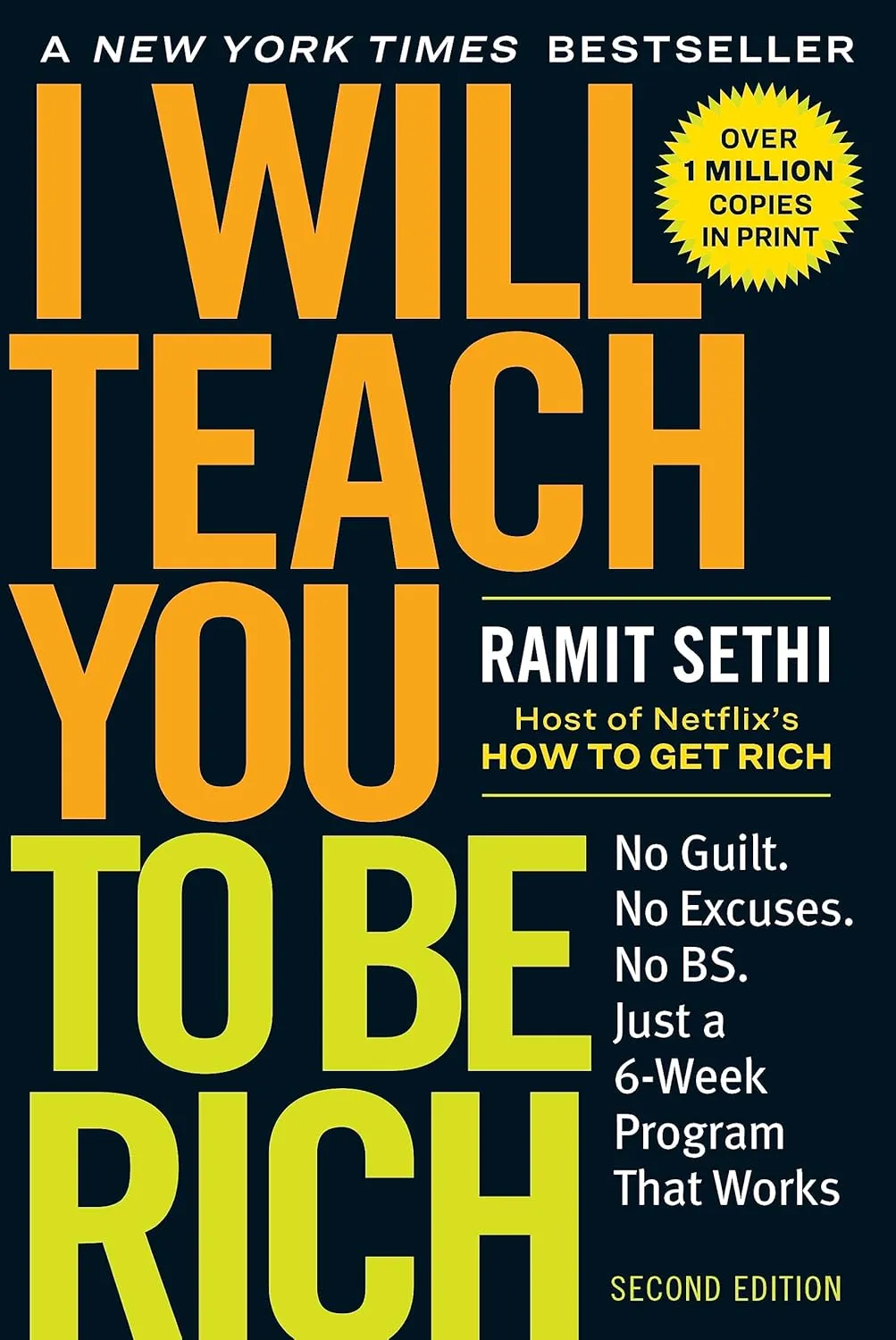
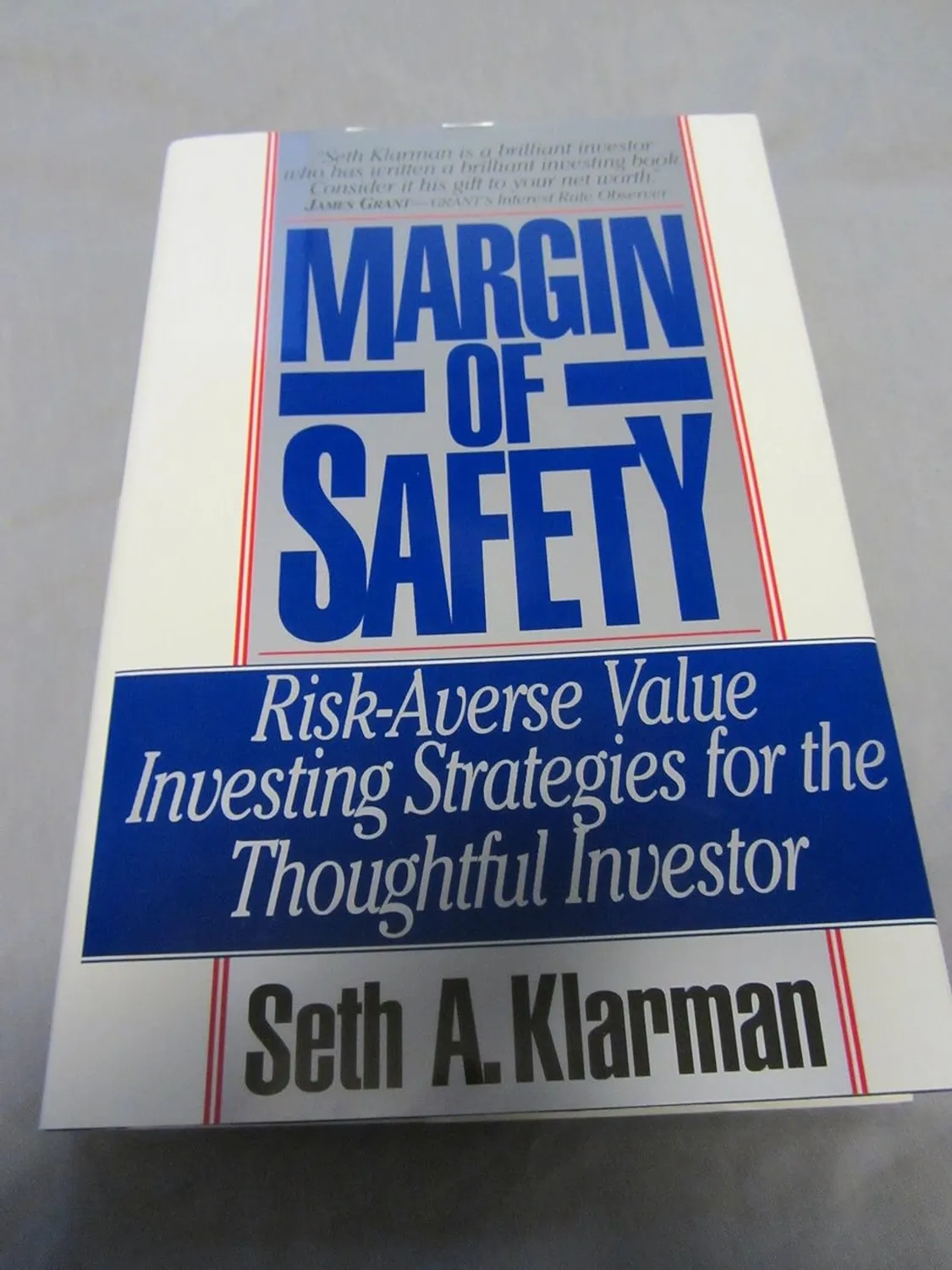
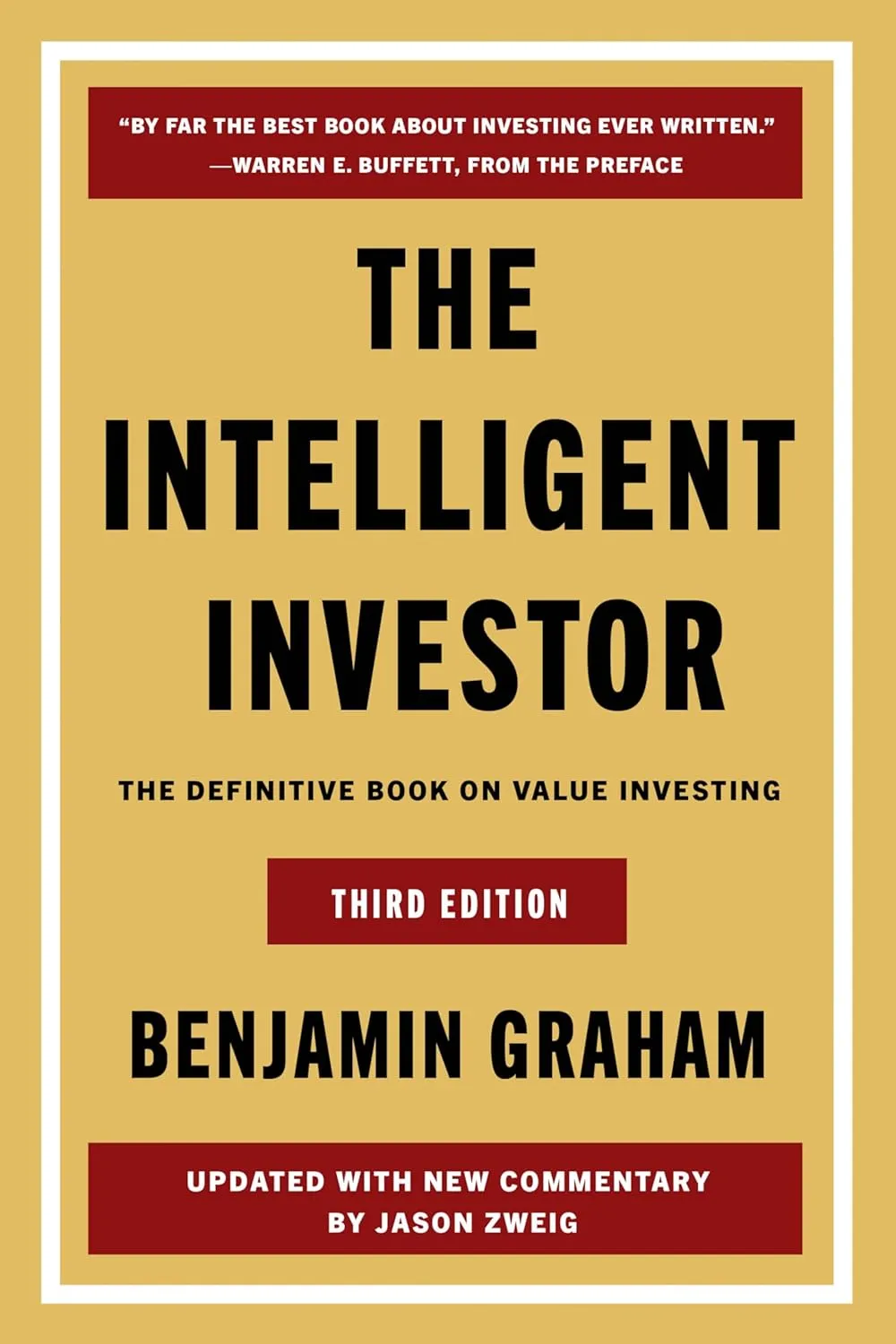
Related Glossary Terms
Open Banking
Open banking lets third-party financial apps access your bank data with your consent via secure APIs. The US CFPB's Section 1033 rule remains in limbo in 2026 as the agency rewrites the regulation.
API Banking
API banking enables banks and third-party developers to securely share financial data and services through standardized programming interfaces, powering modern fintech apps.
Financial Institution
A financial institution channels money between savers and borrowers. US commercial banks held $25.5 trillion in assets as of May 2026. FDIC-insured institutions reported $80.5 billion in Q1 2026 net income across 4,278 institutions.
ACH
ACH is the electronic network that processes the majority of US financial transactions, including direct deposit, bill payments, and bank transfers, by batch-processing billions of transactions between banks.
apy
APY is the actual annual rate of return on a savings account or investment after accounting for compound interest, giving you the true effective yield that lets you compare accounts accurately.
ATM
An ATM is an electronic banking terminal that lets you withdraw cash, check balances, and perform basic transactions without visiting a bank branch or teller, available 24/7 at banks, retail locations, and thousands of sites worldwide.
Recommended Podcasts
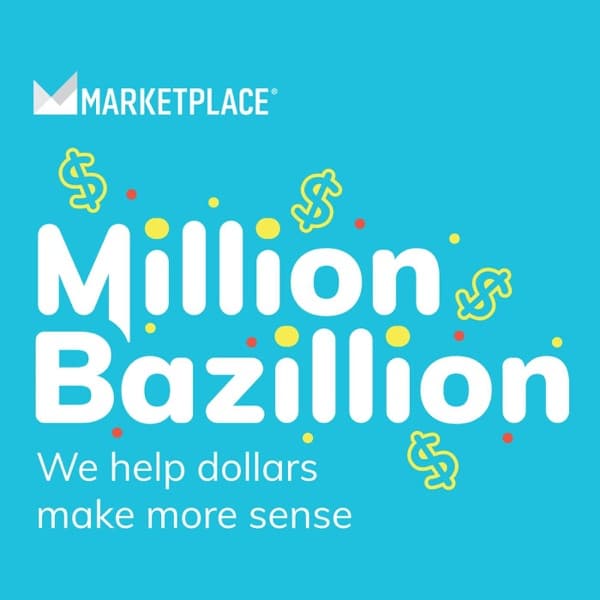
Million Bazillion
by Ryan Perez & Bridget Bodnar
A Marketplace podcast that makes money make sense for kids and families. Covers inflation, cryptocurrency, savings, and how the economy works. 2.6K Apple ratings, 4.6 average. New season September 2026.

Financial Planning for Young Adults
by Skyler Fleming
A weekly podcast for young adults making real money for the first time. CFP candidate Skyler Fleming breaks down taxes, investing, debt, and retirement with case studies and action items. Active 2026.
The Financial Freshman
by Rod McRae & Chloe Blanchard
A CFA and CFP with 30 years of experience pairs with a curious young adult to walk through early adulthood finances. Paychecks, taxes, retirement, debt, and money in relationships. 12 episodes as of August 2026.