
How Much Cash Should You Keep in Retirement?
Holding too much cash in retirement means losing to inflation. Too little means selling investments at a loss. Here is how to calculate the right cash buffer for your situation.

Retirees hear conflicting advice about cash. Some sources say keep 3 to 6 months of expenses like everyone else. Others say keep 1 to 2 years of spending in cash to ride out market downturns. The right answer depends on factors that most guides never explain, because the cash question in retirement is fundamentally different from the cash question during your working years.
When you are employed, a cash buffer protects you against a temporary loss of income. When you are retired, a cash buffer protects you against something far more dangerous: being forced to sell investments at depressed prices to fund your living expenses. That distinction changes the entire calculation.
This post lays out a framework for sizing your retirement cash buffer based on your income sources, market conditions, and spending flexibility. The numbers reflect current 2026 interest rates and withdrawal research.
Why Cash Matters More in Retirement
During your accumulation years, a market downturn is an opportunity. You keep buying at lower prices. During retirement, a market downturn is a threat. You are withdrawing money to live on, which means selling shares at exactly the wrong time.
This is sequence of returns risk in practice. If the market drops 30% in your first year of retirement and you withdraw $50,000 from a $1,000,000 portfolio, you are selling shares at 70 cents on the dollar. Those shares are gone. They cannot participate in the recovery. Your portfolio is permanently impaired in a way that a paper loss without a withdrawal would not be.
A cash buffer breaks this cycle. Instead of selling investments during a downturn, you spend from cash. You give your portfolio time to recover before you resume withdrawals. This single adjustment is the most effective protection against running out of money in retirement.
T. Rowe Price published research recommending that retirees hold 12 to 24 months of spending expenses in liquid reserves. Their analysis found that this buffer substantially improved portfolio survival rates during periods of market stress, particularly for retirees in the first decade of retirement when sequence risk is highest.
The Two-Part Cash Strategy
Think of your retirement cash in two distinct buckets, each serving a different purpose.
Part 1: Your Operating Cash (1 to 3 months of expenses)
This is the money you live on month to month. It sits in a checking account or high-yield savings account and covers your regular bills: groceries, utilities, insurance premiums, property taxes, and discretionary spending.
Why this is separate from your investment portfolio: you do not want to be making monthly withdrawals from an investment account. Each withdrawal from a brokerage or retirement account may trigger transaction fees, tax events, or timing issues. Keeping 1 to 3 months of expenses in a dedicated cash account makes your monthly cash flow smooth and predictable.
If your monthly expenses are $5,000, your operating cash should be $5,000 to $15,000.
Part 2: Your Buffer Cash (12 to 24 months of portfolio withdrawals)
This is the portion of your portfolio held in cash equivalents specifically to weather market downturns. When the market is healthy, this money sits and earns interest. When the market drops, you draw from this buffer instead of selling investments at a loss.
Where to hold it: high-yield savings accounts, money market funds, CDs, and Treasury bills. As of July 2026, top high-yield savings accounts are offering up to 4.50% APY, with several online banks paying between 4.10% and 4.50%. That is dramatically higher than the FDIC national average of 0.38%.
How this interacts with your investment allocation: if you need $40,000/year from your investments, your buffer should be $40,000 to $80,000 in cash equivalents. This is part of your overall portfolio, not additional to it. If your total portfolio is $1,000,000 and you hold $60,000 in cash equivalents as your buffer, your invested portion is $940,000.
This approach is similar to the bucket strategy for retirement income, where you segment your portfolio by time horizon and risk level. You can also build a bond ladder to create a structured stream of maturing cash equivalents.
Factors That Change Your Cash Number
The 12 to 24 month starting point is a baseline. Three factors adjust it up or down significantly.
Guaranteed Income Sources
If Social Security and a pension cover 80% or more of your expenses, you need less buffer cash. Your portfolio only funds a small gap, so even a prolonged market downturn does not force large withdrawals. A 6 to 12 month buffer may be sufficient.
If you rely entirely on investments (no pension, Social Security not yet claimed or minimal), you need more. An 18 to 24 month buffer gives you two full years of spending without touching your investment portfolio.
Example: A retiree with $50,000 in annual expenses and $40,000 from Social Security needs only $10,000/year from the portfolio. A 12-month buffer is just $10,000. A retiree with the same $50,000 in expenses and no guaranteed income needs the full $50,000/year from the portfolio. A 12-month buffer is $50,000, and a 24-month buffer is $100,000.
Market Valuation at Retirement
Retiring into an overvalued market increases sequence risk. If price-to-earnings ratios are historically high and valuations are stretched, the probability of a meaningful correction in the early retirement years is elevated. In this scenario, a larger cash buffer (closer to 24 months) makes sense.
Retiring after a major market correction reduces sequence risk. Much of the damage has already been done, and forward return expectations are actually higher. A smaller buffer (12 months) may be adequate.
Your Willingness to Cut Spending
Flexible spenders, people who can cut 20% or more of their spending during a downturn, need less cash. If you can skip the travel budget, delay the car replacement, and reduce dining out, your portfolio withdrawals shrink automatically during bad years.
Fixed spenders need more. If your expenses are mostly non-negotiable (mortgage, insurance, healthcare, property taxes), you cannot reduce withdrawals during a downturn, so your cash buffer needs to be larger.
Where to Hold Your Cash
Each cash vehicle has tradeoffs between yield, liquidity, and risk. Here is how they compare in the current 2026 rate environment.
| Cash Option | Yield Range (2026) | Liquidity | Risk | Best For |
|---|---|---|---|---|
| High-yield savings | 3.80% to 4.50% APY | Excellent (instant) | FDIC insured up to $250K | Operating cash, short-term buffer |
| Money market funds | 3.50% to 4.30% | Excellent (1-2 days) | SIPC protected, very low risk | Buffer cash, slightly higher yields |
| Treasury bills (3-6 month) | 4.00% to 4.30% | Good (sell before maturity, small loss possible) | Backed by US government | Buffer cash, tax-advantaged |
| CD ladders (6-12 month) | 3.80% to 4.20% | Moderate (early withdrawal penalty) | FDIC insured | Locking in rates, predictable income |
| Short-term bond funds | 3.00% to 4.00% | Excellent | Can lose value (interest rate risk) | Not recommended for cash buffer |
The key distinction: high-yield savings, money market funds, T-bills, and CDs are cash equivalents. Their value does not fluctuate. Short-term bond funds are investments. Their value can decline when interest rates rise, which is exactly when you might need your buffer. Do not confuse the two.
For more on these instruments, see our guides on Treasury bills explained, CD ladder strategy, and money market accounts. You can also check the money market account glossary definition.
Real-World Examples
Example: Robert, 64, retiring with moderate guaranteed income
Situation: Robert has $50,000 in annual expenses. Social Security covers $24,000. He needs $26,000/year from his portfolio. He has $650,000 total in retirement savings.
What he did: Set up a 12-month buffer of $26,000 in a high-yield savings account earning 4.25% APY. The remaining $624,000 is invested in a 60/40 stock/bond portfolio. His operating cash is $8,000 in checking (about 2 months of expenses).
Result: If the market drops 25% in year one, Robert skips his portfolio withdrawal entirely and lives off the $26,000 buffer plus Social Security. His invested portfolio stays intact and can recover. He refills the buffer the following year from portfolio gains or dividends.
Example: Patricia, 62, retiring with minimal guaranteed income
Situation: Patricia has $70,000 in annual expenses. She claimed Social Security at 62, which covers $18,000. She needs $52,000/year from her portfolio. She has $1,200,000 saved.
What she did: Set up a 24-month buffer of $104,000 ($52,000 times 2) split between a high-yield savings account ($52,000) and a 6-month T-bill ladder ($52,000). The remaining $1,096,000 is invested in a 55/45 portfolio. Her operating cash is $12,000 in checking.
Result: Patricia has two full years of spending outside the market. If a downturn hits, she can go 24 months without selling a single share. The tradeoff is that $104,000 earning 4.25% returns about $4,400/year, while her invested portfolio might average 6% to 7%. She accepts slightly lower overall returns for significantly higher downside protection, which is the right tradeoff for someone with 30+ years of retirement ahead.
Common Mistakes
Holding 5+ years of expenses in cash. Over a 30-year retirement, inflation erodes the purchasing power of cash significantly. At 3% inflation, $100,000 in cash today buys about $41,000 worth of goods in 30 years. Cash is a buffer, not a long-term investment. Anything beyond 24 months of withdrawals is usually excessive.
Holding all cash in a single checking account. A checking account earning 0.01% APY on $50,000 generates $5/year in interest. The same amount in a high-yield savings account at 4.25% generates $2,125/year. That difference compounds over time.
Not refilling the buffer after a market downturn. After you spend down your buffer during a bear market, you need to refill it once the market recovers. This means resuming portfolio withdrawals and directing some to cash. Many retirees forget this step and enter the next downturn with an empty buffer.
Confusing "cash" with "short-term bonds." Bond funds can lose value. In 2022, intermediate-term bond funds lost 10% to 13%. If you held your "cash buffer" in a bond fund and the market dropped simultaneously, you would have lost money on both sides. Use true cash equivalents: savings accounts, money market funds, T-bills, and CDs.
Conclusion
The starting point for retirement cash is 12 to 24 months of portfolio withdrawals in cash equivalents, adjusted by your guaranteed income sources and spending flexibility. Retirees with high guaranteed income and flexible spending can operate with less. Retirees relying mostly on investments with fixed expenses need more.
The goal is not to maximize cash. The goal is to hold enough to avoid forced selling during market downturns. Every dollar you hold in cash earning 4.25% is a dollar that is not invested earning 6% to 7%, so there is a real cost to over-holding. But the cost of selling at the bottom is far higher.
Bookmark this page and use our retirement number calculator to model your own cash needs as part of your overall retirement plan.
This post is for informational purposes only and does not constitute financial advice. Consult a qualified financial advisor before making retirement decisions.
Tags
Savvy Nickel Team
Financial education expert dedicated to making complex money topics simple and accessible for everyone.
Recommended Articles

What to Do With Your 401k When You Leave a Job
When you leave a job, you have four options for your 401(k). Some are smart, one is almost always a mistake. Here is how to decide what to do with your retirement savings.

How to Calculate Whether You Can Retire at a Specific Age
Wondering if you can afford to retire at 55, 60, or 62? This guide walks through the exact math and factors you need to calculate your retirement readiness with real numbers and 2026 rules.

What Is a Roth Conversion and Should You Do One Before Retirement?
A Roth conversion moves money from a tax-deferred account into a Roth IRA, paying taxes now to avoid them later. Here is when it makes sense, how much to convert, and the mistakes that cost people thousands.
Run the Numbers
Free calculators related to this article.
Social Security Benefit Estimator
Estimate your Social Security retirement benefit at ages 62, 67, and 70 based on your annual earnings. See how much you gain or lose by claiming early or late, and what it means for your retirement income.
Open calculator →401(k) Calculator
Project your 401(k) balance at retirement based on your salary, contribution rate, employer match, and expected returns. See how tax-deferred growth and free employer money add up over decades.
Open calculator →Retirement Number Calculator
Your retirement number is the amount you need invested to stop working and live on your terms. Calculate your target based on your spending, not a generic multiple of your salary.
Open calculator →Recommended Books
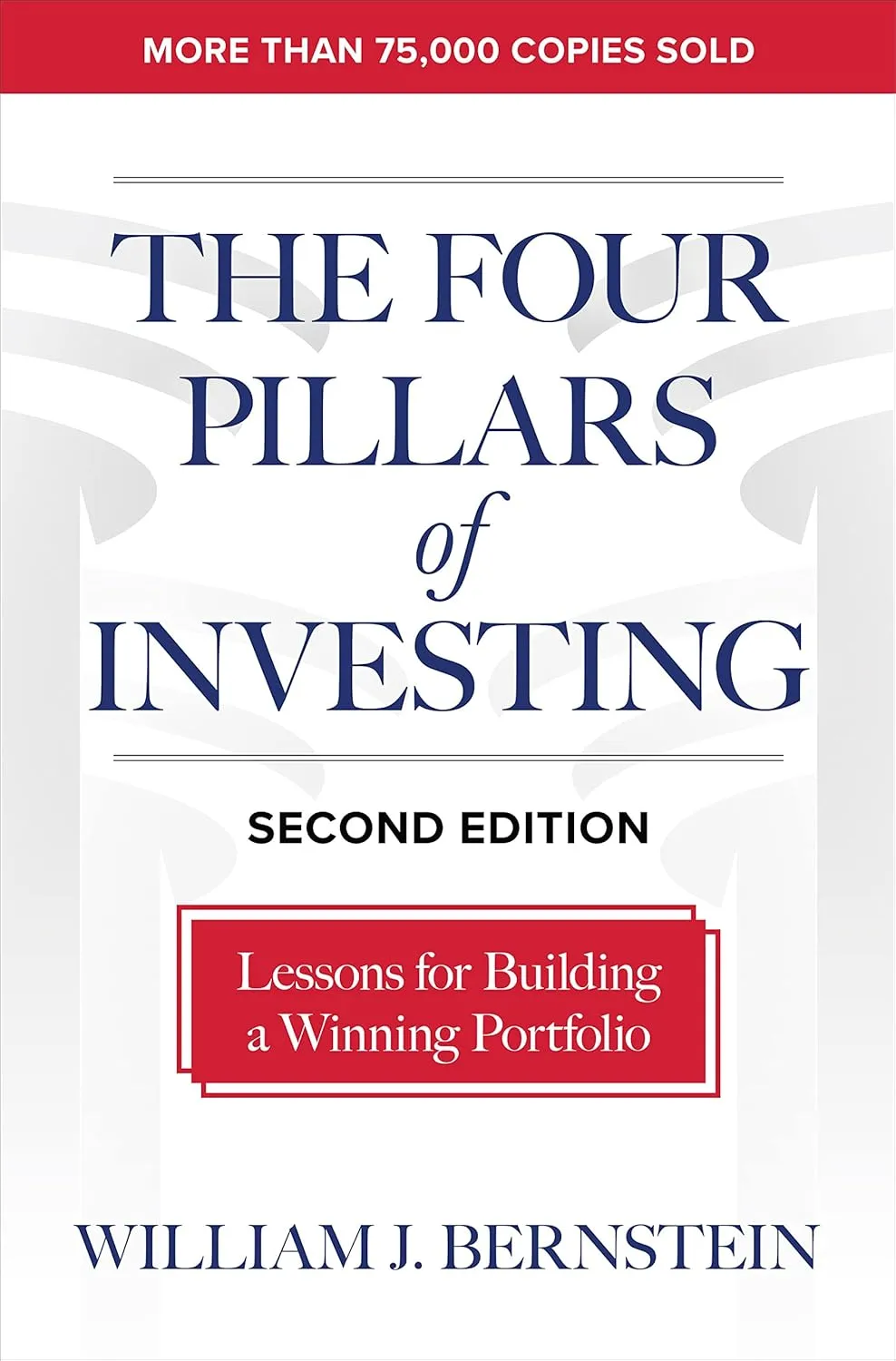
The Four Pillars of Investing: Lessons for Building a Winning Portfolio
by William J. Bernstein
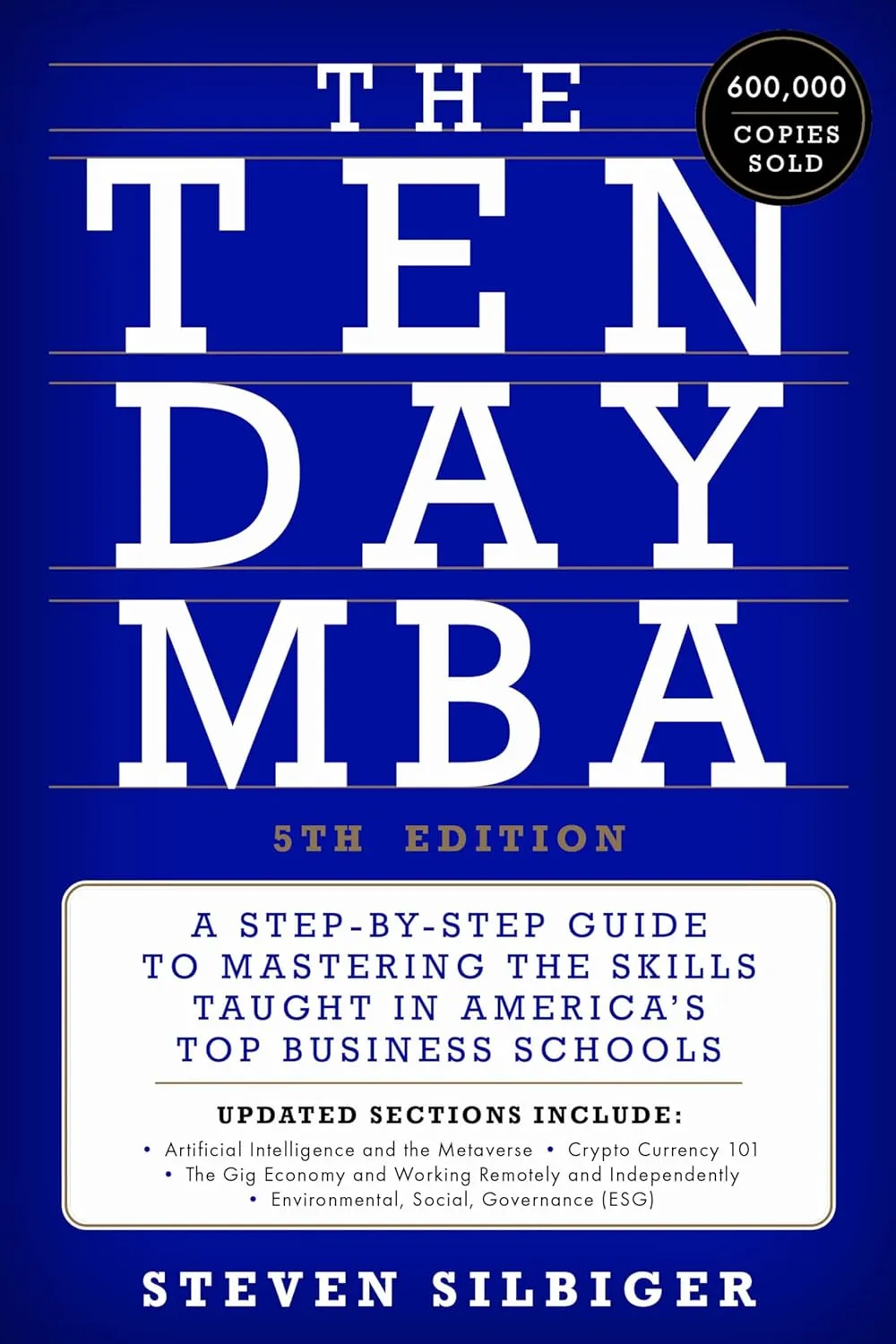
The Ten-Day MBA: A Step-by-Step Guide to Mastering the Skills Taught in America's Top Business Schools
by Steven Silbiger
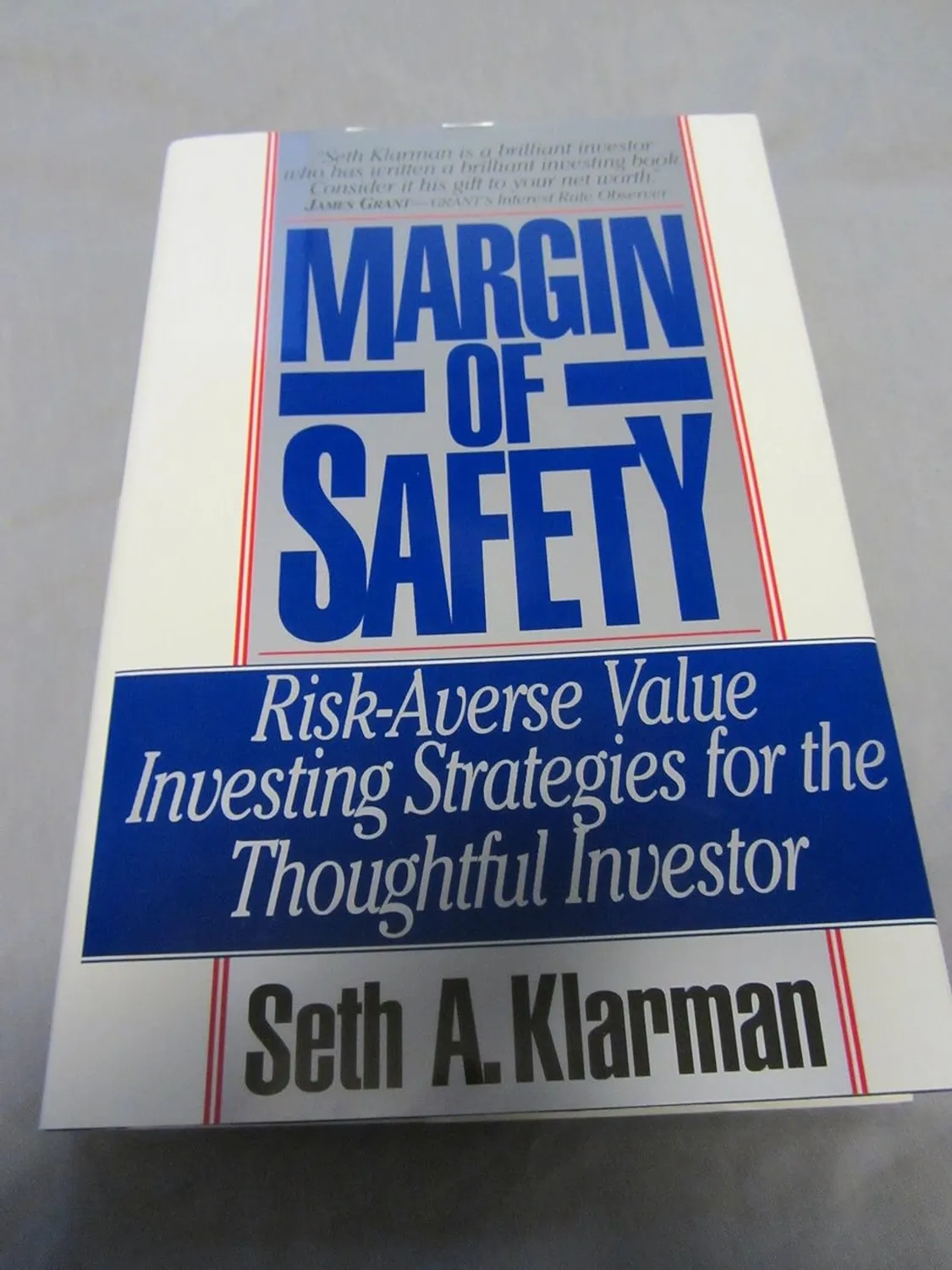
Margin of Safety
by Seth Klarman
Related Glossary Terms
Retirement
Retirement is the phase of life when you stop working for income and live off savings, pensions, and Social Security. Most Americans retire around age 62, but planning should start decades earlier.
Retirement Planning
Retirement planning is the process of calculating how much money you need to stop working and building a strategy to get there. It covers saving rates, investment allocation, tax optimization, and withdrawal planning.
Required Minimum Distribution
A Required Minimum Distribution (RMD) is the minimum amount you must withdraw from tax-deferred retirement accounts each year starting at age 73, as mandated by the IRS under SECURE 2.0 Act rules.
RMD
An RMD (Required Minimum Distribution) is the mandatory annual withdrawal the IRS requires from tax-deferred retirement accounts starting at age 73, with a 25% penalty for missed withdrawals.
Safe Withdrawal Rate
The safe withdrawal rate is the maximum percentage of your retirement portfolio you can withdraw each year with a high probability of never running out of money. The traditional guideline is 4 percent, though recent research suggests 4.7 percent may work with a diversified portfolio.
Sequence of Returns Risk
Sequence of returns risk is the danger that poor investment returns early in retirement permanently damage a portfolio, even if average returns over the full period are strong. The order of returns matters, not just the average.
Recommended Podcasts

The Money Guy Show
by Brian Preston, CPA/CFP & Bo Hanson, CFA/CFP
Two fee-only financial advisors break down the Financial Order of Operations, a 9-step wealth-building framework. 617K YouTube followers and a 4.8 Apple rating.

The Long View
by Christine Benz, Amy Arnott & Ben Johnson
Morningstar's weekly deep-dive interview show on retirement, portfolio strategy, and fund analysis. 387 episodes, hosted by Christine Benz and the Morningstar research team.

Stacking Benjamins
by Joe Saul-Sehy & Josh 'OG' Bannerman, CFP
A former financial advisor and a CFP host a lighthearted show from Joe's mom's basement. Three episodes a week on investing, retirement, and behavioral finance.