*Disclosure: This article contains affiliate links. If you purchase through these links, we may earn a commission at no additional cost to you. We only recommend books we genuinely believe in.
Quick Overview
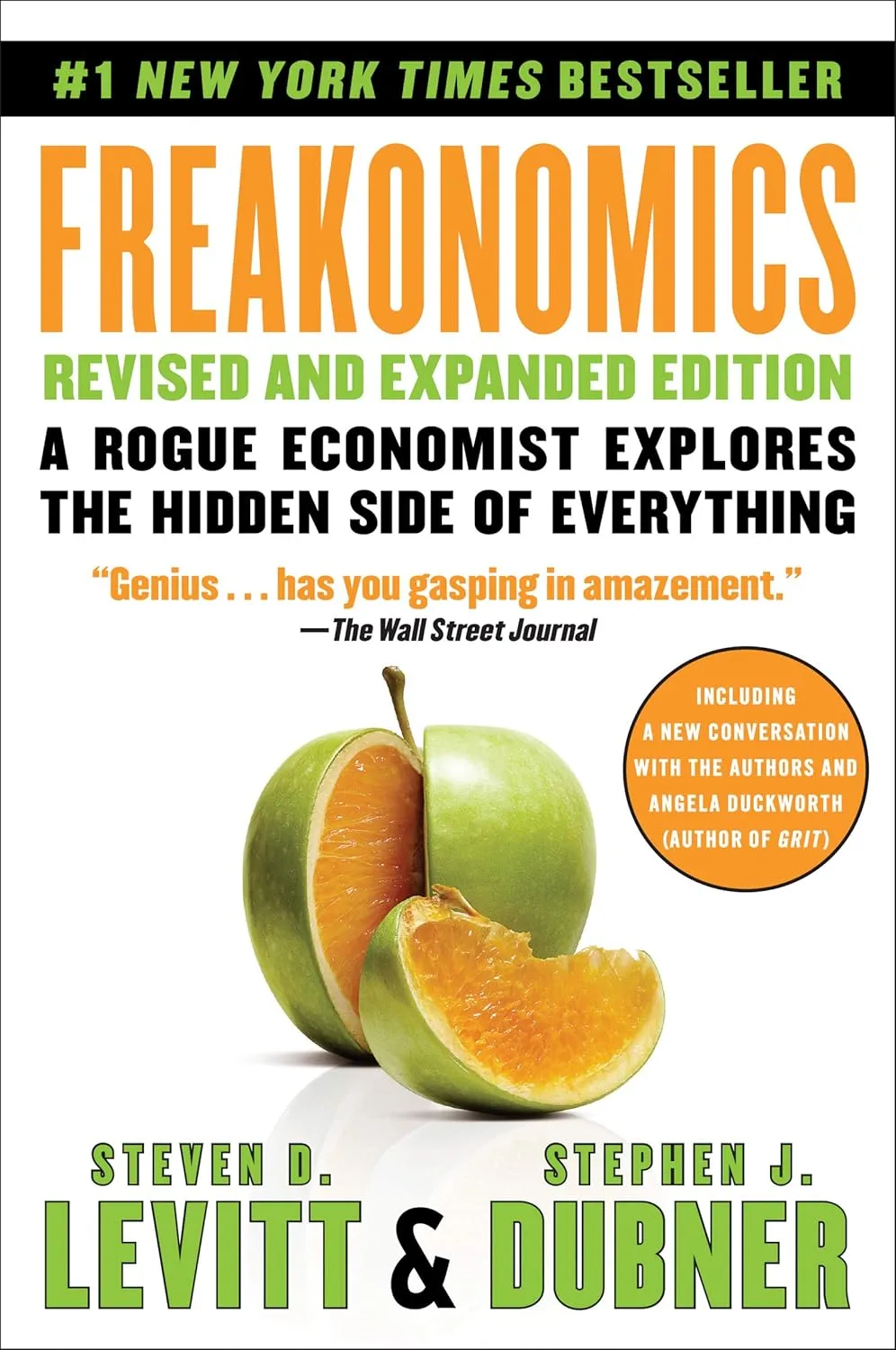
If a high school teacher told you that studying sumo wrestlers could reveal cheating patterns, or that the drop in crime during the 1990s was caused by a Supreme Court decision 20 years earlier, you would be skeptical. Steven Levitt and Stephen Dubner make those arguments in Freakonomics, and they back them with data. The book applies the tools of economics to questions that have nothing to do with money: what makes parents name their child a certain way, whether real estate agents act in their clients' best interests, and how a bagel salesman's honor system reveals the honesty of office workers. The result is a book that sold over 4 million copies and changed how popular economics is written.
Book Details
| Attribute | Details |
|---|---|
| Title | Freakonomics: A Rogue Economist Explores the Hidden Side of Everything |
| Authors | Steven D. Levitt & Stephen J. Dubner |
| Publisher | William Morrow / HarperCollins |
| Published | April 2005 (Revised 2006) |
| Pages | 355 (Revised edition) |
| ISBN-13 | 978-0061233501 |
| Reading Level | Beginner |
| Amazon Rating | 4.6/5 stars |
Get Your Copy
Paperback: Buy on Amazon
Kindle: Buy on Amazon
Audiobook: Buy on Amazon
About the Authors
Steven D. Levitt is the William B. Ogden Distinguished Service Professor of Economics at the University of Chicago. He received his PhD from MIT and was awarded the John Bates Clark Medal in 2003 (given to the most influential economist under 40). Levitt's research uses econometric methods to study unusual questions: the economics of drug dealing, the impact of campaign spending on election outcomes, and the relationship between abortion legalization and crime rates.
Stephen J. Dubner is a journalist and author who has written for The New York Times and The New Yorker. He met Levitt while profiling him for a Times Magazine article in 2003. Their collaboration produced Freakonomics, which became a global phenomenon. They later co-authored SuperFreakonomics, Think Like a Freak, and When to Rob a Bank.
The pairing works because Levitt has the economic toolkit but no interest in writing for a general audience, while Dubner has the storytelling ability to translate academic research into compelling narratives.
Key Concepts
1. Incentives Are the Cornerstone of Modern Life
The central thesis of Freakonomics is that people respond to incentives, often in ways that are predictable but unexpected. Levitt and Dubner define incentives broadly to include economic, social, and moral motivations.
The three types of incentives:
| Type | Example | How It Works |
|---|---|---|
| Economic | A bagel salesman raises prices | People buy fewer bagels |
| Social | A restaurant posts health inspection scores | People avoid low-scoring restaurants |
| Moral | A charity shows photos of children in need | People donate more |
The most powerful incentives combine all three. When a company announces that executive pay will be tied to diversity metrics, it creates an economic incentive (bonus depends on it), a social incentive (peers see the results), and a moral incentive (it feels like the right thing to do).
The dark side of incentives:
Levitt's most famous example is the Chicago public school system. Teachers whose students pass standardized tests receive bonuses and recognition. Teachers whose students fail may be reassigned or fired. The incentive is clear: get students to pass.
The result? Some teachers cheated by changing students' answer sheets after the test. Levitt used statistical analysis to identify classrooms where answer patterns suggested erasure and correction. He found that cheating occurred in approximately 5% of classrooms per year.
This is not a story about bad teachers. It is a story about incentives. When you tie high-stakes outcomes to a single metric, people will optimize for that metric, sometimes through dishonest means. The same dynamic appears in corporate earnings management, college admissions, and professional sports.
2. Information Asymmetry
When one party in a transaction knows more than the other, the informed party can exploit the advantage. Levitt and Dubner illustrate this with real estate agents.
The real estate agent example:
Real estate agents sell houses for a living. When they sell your house, they earn a commission. But the commission on an additional $10,000 in sale price is only about $150 to the agent (their 3% share of the 5-6% commission). The agent's incentive is to sell quickly, not to maximize your price.
Levitt analyzed data and found that agents keep their own houses on the market an average of 10 days longer than their clients' houses, and sell them for about 3% more. The agent's own house gets the extra effort because the agent captures 100% of the benefit rather than 3%.
Information asymmetry in everyday life:
| Transaction | What the Expert Knows | What You Know |
|---|---|---|
| Buying a used car | The car's actual condition | What the salesman tells you |
| Medical procedures | Whether the procedure is necessary | What the doctor recommends |
| Financial advice | The commission they earn | What the advisor recommends |
| Home repairs | The actual cost of parts and labor | What the contractor charges |
The lesson is not that experts are always exploitative. It is that you should understand the incentive structure of anyone giving you advice. If their compensation depends on your decision, their advice is not neutral.
3. The Crime Drop Mystery
The most controversial chapter in Freakonomics argues that the dramatic drop in U.S. crime during the 1990s was primarily caused by the legalization of abortion following Roe v. Wade in 1973.
The conventional explanations for the 1990s crime drop:
| Explanation | Levitt's Assessment |
|---|---|
| Strong economy | Some effect, but small |
| Increased incarceration | Moderate effect |
| More police on the streets | Moderate effect |
| Innovative policing strategies (CompStat) | Small effect |
| Gun control laws | No significant effect |
| Legalization of abortion (Roe v. Wade) | Large effect |
Levitt's argument: children born to mothers who wanted abortions but could not get them (before 1973) were more likely to grow up in conditions associated with crime: poverty, single-parent households, neglect. After abortion was legalized, fewer unwanted children were born. Eighteen years later, the cohort of young men most likely to commit crime was smaller. Crime dropped.
This chapter generated enormous controversy. Critics argued Levitt was promoting eugenics or encouraging abortion. Levitt responded that he was not making a moral argument about abortion. He was making a causal argument about crime. The data, he argued, supported the connection.
A 2019 re-analysis by economists at the Federal Reserve Bank of New York largely confirmed Levitt's finding, though with a smaller estimated effect than the original paper. The debate continues, but the methodological point stands: looking at data without preconceptions can reveal connections that conventional wisdom misses.
4. Correlation vs. Causation
Levitt and Dubner repeatedly emphasize that correlation does not imply causation. Two variables can move together without one causing the other.
Examples from the book:
| Claim | [Correlation](/glossary/correlation) | Causation |
|---|---|---|
| Good parenting leads to good test scores | Parents who read to kids have kids with higher scores | Reading itself may not cause higher scores; educated parents pass on genetic and environmental advantages |
| Swimming pools are more dangerous than guns | More children drown in pools than die from guns | True, but irrelevant to whether you should own a gun |
| Wine drinkers are healthier | Wine consumption correlates with health | Wine drinkers tend to be wealthier and better educated; the correlation may reflect income, not wine |
The parenting chapter is the most useful for readers. Levitt and Dubner analyze data from the Early Childhood Longitudinal Study and find that many things parents do (going to museums, reading to children every day) have no measurable impact on test scores. What does matter? The parents' education level, socioeconomic status, and whether the child was adopted (adopted children tend to score lower, suggesting genetic or early-environment effects).
This does not mean parenting does not matter. It means that the specific behaviors middle-class parents stress about (Mozart for babies, museum trips) may not be what drives academic outcomes.
5. Externalities and Unintended Consequences
An externality is a cost or benefit that affects someone who did not choose to incur it. Freakonomics is full of examples where well-intentioned policies create unintended consequences.
The sumo wrestling example:
Japanese sumo wrestling has a tournament system where wrestlers with 7 wins and 7 losses in a 15-match tournament need one more win to maintain their ranking. Levitt found that wrestlers in this situation won their final matches about 80% of the time, far higher than expected. The implication: wrestlers with 8 wins (already safe) were throwing matches to help 7-7 wrestlers maintain their rank, expecting reciprocal favors in future tournaments.
The incentive structure of the ranking system created an externality: the match outcomes were not determined purely by skill but by the tournament structure and the long-term reciprocal relationships among wrestlers.
Practical Applications
Applying Freakonomics Thinking to Personal Finance
The book does not directly address personal finance, but its analytical framework is directly applicable:
1. Understand the incentives of your financial advisors.
If your advisor earns commissions on the products they recommend, their advice is not neutral. Ask: "How do you get paid for recommending this?" If the answer is vague, find a fee-only advisor.
2. Question conventional wisdom about money.
| Conventional Wisdom | Freakonomics Question |
|---|---|
| "Buy a house to build wealth" | Does homeownership actually outperform renting and investing the difference? |
| "College is always worth it" | What is the ROI for your specific major and school? |
| "You need a financial advisor" | Can a low-cost index fund outperform 90% of advisors? |
| "More education is always better" | What is the opportunity cost of additional years in school? |
3. Look for the real cause, not the obvious one.
When your portfolio drops, the financial media will tell you why. Usually, the explanation is a narrative imposed after the fact. The real cause may be random market fluctuation, or a structural factor that nobody is talking about. Apply Levitt's skepticism to financial explanations.
4. Use data, not stories.
When making financial decisions, look at the data. Use our budget calculator to see where your money actually goes, not where you think it goes. The gap between perception and reality in personal finance is often enormous.
I applied this approach to my own spending after reading the book. I believed I spent about $200 per month on dining out. My bank statements showed $480. The story I told myself about my spending was wrong, and the data corrected it.
The Bagel Man's Lesson
One of the most charming chapters follows Paul Feldman, an economist who left his job to sell bagels to office workers on the honor system. He left bagels in office break rooms with a payment box. He tracked payment rates across hundreds of offices over many years.
What Feldman's data revealed:
| Factor | Effect on Payment Rate |
|---|---|
| Office size | Smaller offices paid more (social pressure) |
| Floor location | Higher floors paid more (more isolated, felt less observed) |
| Weather | Bad weather reduced payment |
| Job satisfaction | Offices with layoffs saw payment rates drop |
| Holidays | Christmas and Thanksgiving reduced payment slightly |
The bagel data showed that honesty is not a fixed character trait. It responds to incentives and circumstances. People are more honest when they feel observed, when they are in small groups, and when they feel good about their workplace.
Strengths & Weaknesses
What We Loved
Areas for Improvement
Who Should Read This Book
Highly Recommended For
Probably Not For
Comparison to Similar Books
| Book | Focus | Difficulty | Best For |
|---|---|---|---|
| Freakonomics (Levitt/Dubner) | Applying economics to unusual questions | Beginner | Entertainment plus analytical thinking |
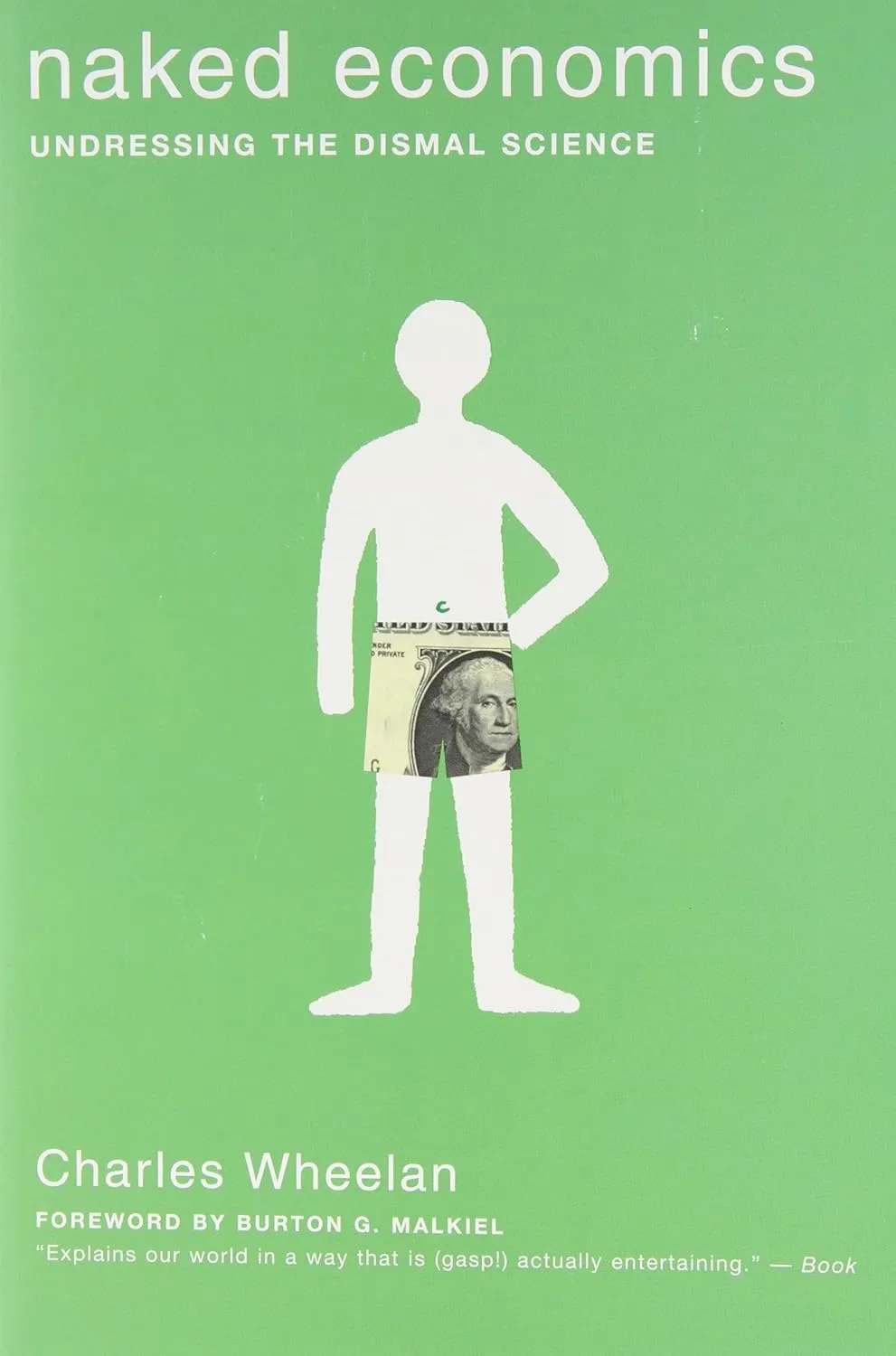
| Naked Economics (Wheelan) | Explaining core economic concepts | Beginner | Understanding economics fundamentals |
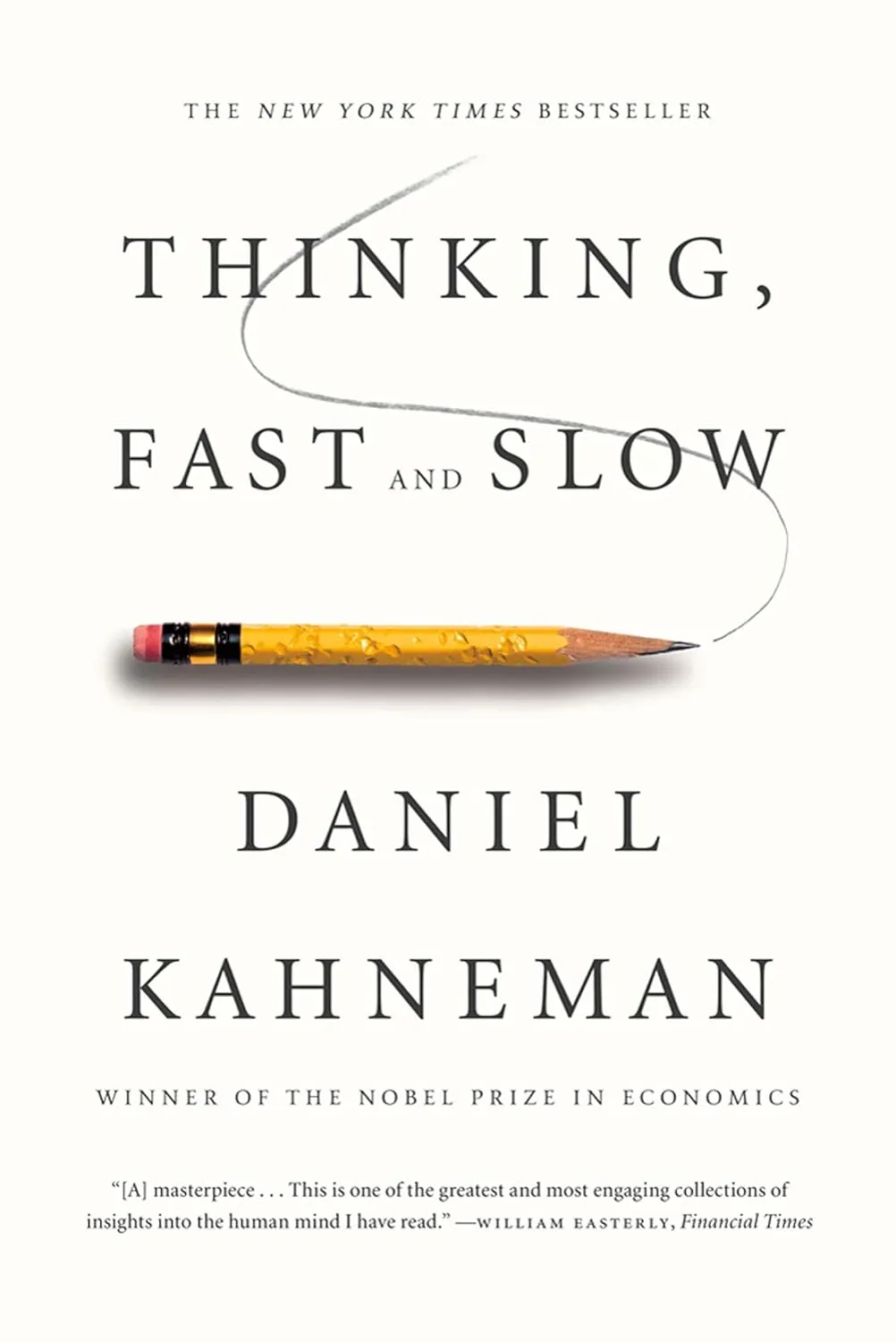
| Thinking, Fast and Slow (Kahneman) | Cognitive biases and decision-making | Intermediate | Understanding your own mental errors |
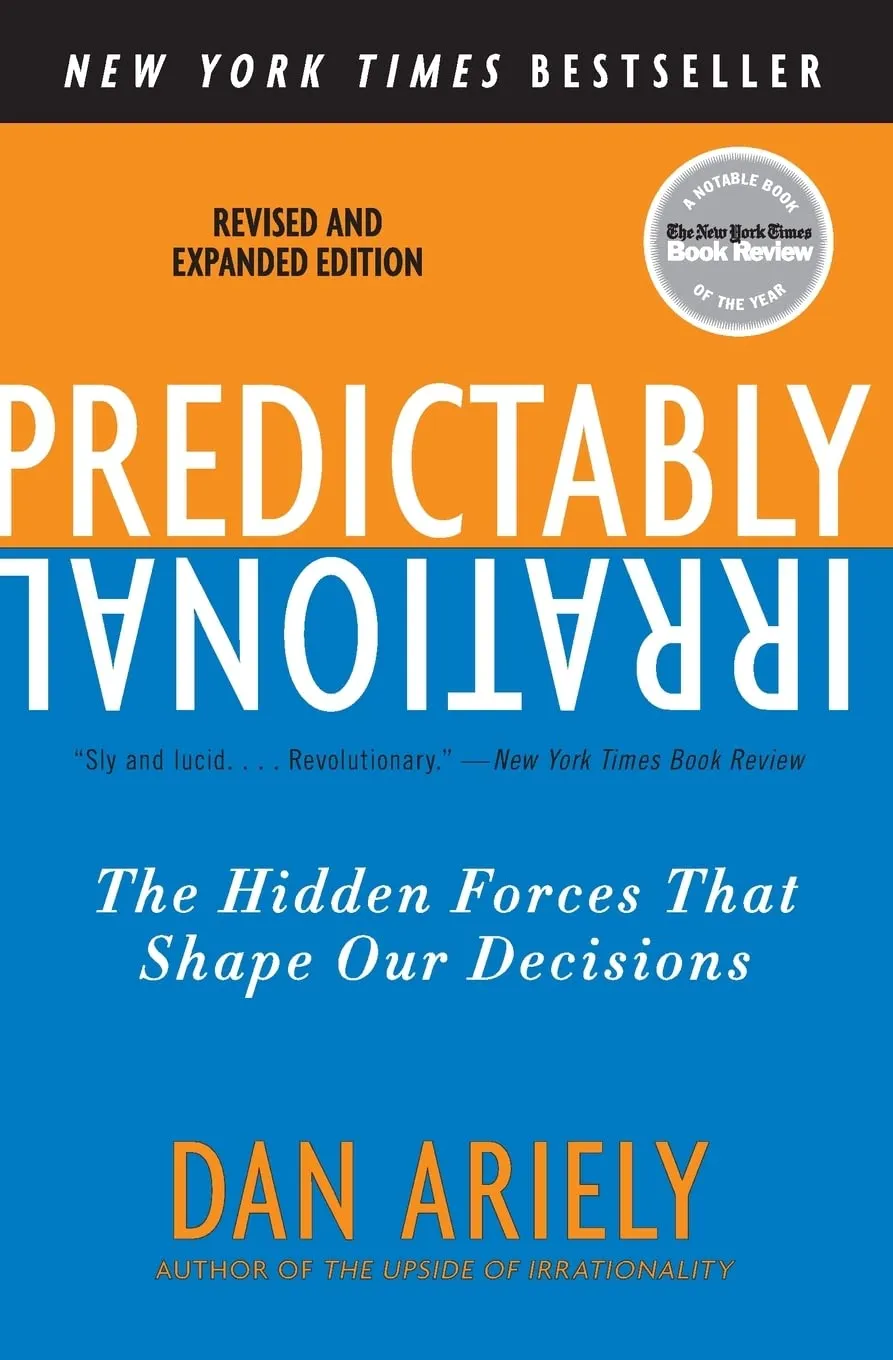
| Predictably Irrational (Ariely) | Behavioral economics experiments | Beginner | Understanding consumer behavior |
| The Armchair Economist (Landsburg) | Economic reasoning applied to life | Intermediate | Deeper economic logic than Freakonomics |
Read Freakonomics for the hook, then Naked Economics for the foundation, then Thinking, Fast and Slow for the psychology.
Implementation Guide
How to Think Like a Freak (After Reading)
Step 1: Identify the incentives.
Before accepting advice from anyone (advisor, salesperson, blogger), ask: "What does this person gain if I follow their advice?" If the answer involves a commission, commission, or referral fee, adjust accordingly.
Step 2: Separate correlation from causation.
When you read that "people who do X have better outcomes," ask: is X causing the better outcome, or is there a third factor causing both? This applies to investment strategies, health advice, and parenting tips.
Step 3: Look for the missing data.
Survivorship bias is everywhere. When you see a list of successful companies, ask: what about the ones that failed? When you see a list of winning strategies, ask: what about the strategies that nobody writes about because they failed?
Step 4: Run your own experiments.
Track your spending with the budget calculator. Compare what you think you spend to what you actually spend. The gap will surprise you, just as Feldman's bagel data surprised him.
Step 5: Question conventional wisdom systematically.
Pick one financial belief you hold strongly (e.g., "buying a house is better than renting"). Find the best argument against it. If you cannot find a good counter-argument, you have not looked hard enough.
Frequently Asked Questions
Q: Is the abortion-crime theory discredited?
A: No, but it has been refined. The 2019 Federal Reserve Bank of New York re-analysis found that legalized abortion did contribute to the crime drop, but the effect was smaller than Levitt's original estimate. Other factors (increased incarceration, more police) also played significant roles.
Q: Does this book teach me about investing?
A: Not directly. But the analytical framework (incentives, data over stories, questioning conventional wisdom) is valuable for any investor. If you can think clearly about cause and effect, you will make better financial decisions.
Q: Is Freakonomics still relevant in 2025?
A: Yes. The specific examples may feel dated, but the methodology is timeless. The core lesson, that incentives drive behavior and that data can reveal hidden truths, applies to any era.
Q: Should I read the sequel (SuperFreakonomics)?
A: It is enjoyable but less impactful than the original. The best Freakonomics content is in the first book and the Freakonomics Radio podcast, which continues to produce excellent episodes.
Q: What do critics say about Levitt's methods?
A: Some economists argue Levitt cherry-picks data and overstates the certainty of his conclusions. A 2012 paper by Christopher Foote and Christopher Goetz challenged the abortion-crime methodology. Levitt has acknowledged some methodological debates but stands by the core findings. The lesson is to treat even well-argued statistical claims with appropriate humility.
Final Verdict
Rating: 4.6/5
Freakonomics is the most entertaining economics book ever written. It will not teach you how to invest or budget, but it will teach you how to think. The incentive analysis framework alone is worth the price of admission. If you have ever accepted a conventional explanation without questioning the underlying data, this book will change that habit permanently.
Read it for the stories. Keep it for the mental models. Apply the framework to your financial decisions, and you will make fewer mistakes driven by conventional wisdom and unexamined incentives.
Get Your Copy
Paperback: Buy on Amazon
Kindle: Buy on Amazon
Audiobook: Buy on Amazon
Prices current as of publication date. Free shipping available with Prime.