*Disclosure: This article contains affiliate links. If you purchase through these links, we may earn a commission at no additional cost to you. We only recommend books we have personally read and genuinely believe in.
Quick Overview
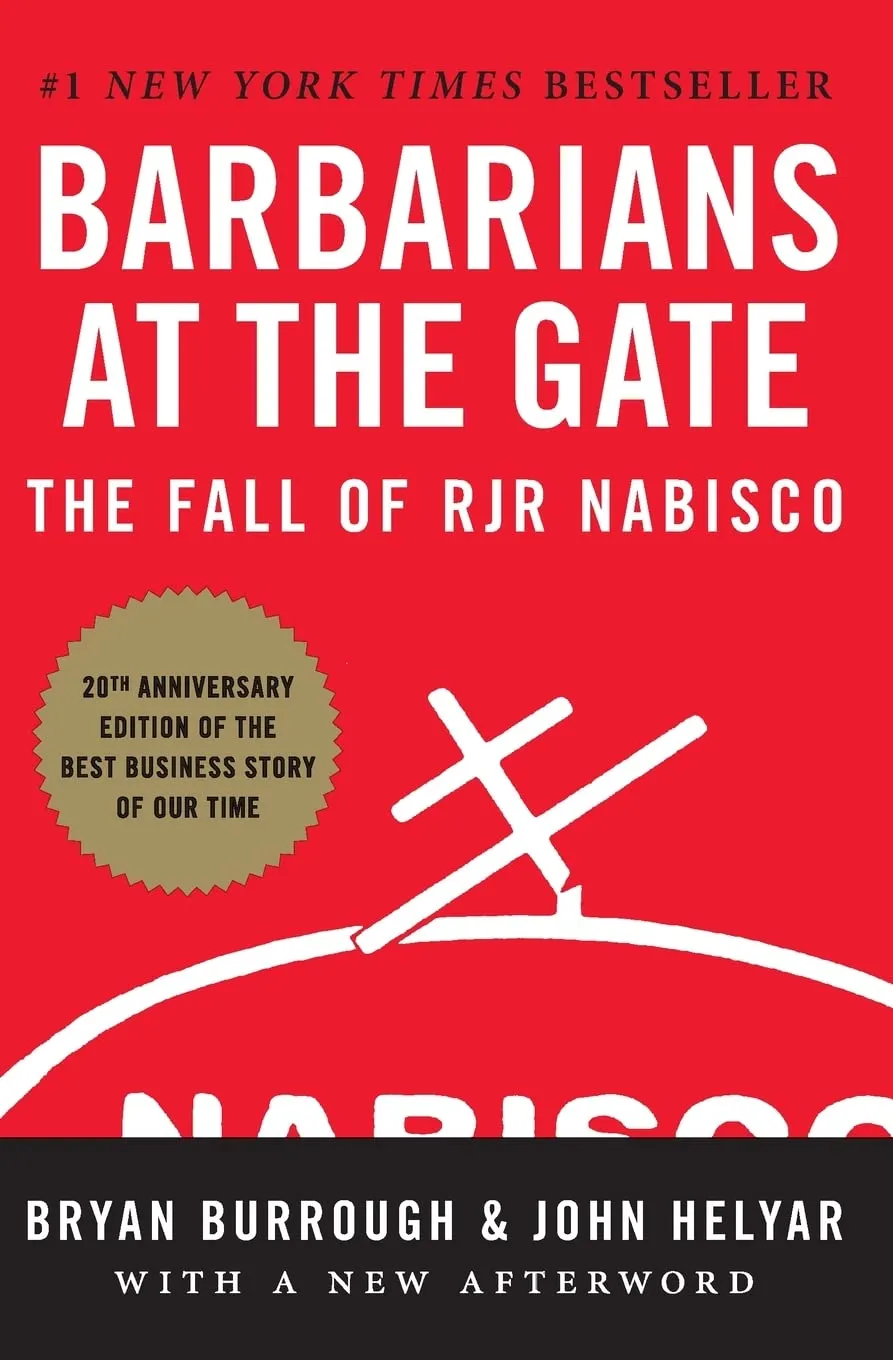
In 1988, the CEO of RJR Nabisco proposed taking his company private at $75 per share. Within weeks, a bidding war pushed the price to $109.25, making it the largest leveraged buyout in history at $25 billion. Bryan Burrough and John Helyar, both Wall Street Journal reporters, tell the story from the inside. The result is the definitive account of how ego, debt, and Wall Street fees drove a deal that destroyed value for almost everyone involved. The private equity industry that this deal birthed is now a $4 trillion global machine, but the lessons about incentives, leverage, and corporate governance are timeless.
Book Details
| Attribute | Details |
|---|---|
| Title | Barbarians at the Gate: The Fall of RJR Nabisco |
| Authors | Bryan Burrough & John Helyar |
| Publisher | HarperCollins |
| Published | 1989 |
| Pages | 528 |
| Reading Level | Intermediate |
| Amazon Rating | 4.7/5 stars |
Get Your Copy
Paperback: Buy on Amazon
Kindle: Buy on Amazon
Audiobook: Buy on Amazon
About the Authors
Bryan Burrough and John Helyar were both staff reporters at The Wall Street Journal when they broke the RJR Nabisco story. They spent the following year conducting over 100 interviews with every major participant to produce this book. It was adapted into an HBO film in 1993.
Their reporting credentials matter. They interviewed over 100 participants in the RJR Nabisco deal, including the key principals on all sides. The book is not a reconstruction from public records. It is a reported narrative with direct quotes from the people who were in the rooms. That level of access is rare in financial journalism and gives the book its lasting power.
The Historical Context: The LBO Era
What Is a Leveraged Buyout?
A leveraged buyout uses borrowed money to acquire a company, with the acquired company's assets and cash flows serving as collateral for the debt.
| Component | Amount |
|---|---|
| Target company value | $1 billion |
| Equity contribution (buyer) | $200 million (20%) |
| Debt (borrowed) | $800 million (80%) |
| Annual interest at 12% | $96 million |
| Required operating cash flow | $120-150 million (to service debt + expenses) |
If the acquired company can service the debt from its operating cash flows, the equity investors earn returns on their small initial investment that are amplified by the leverage. If cash flow falls short, the equity goes to zero.
KKR (Kohlberg Kravis Roberts) pioneered the modern LBO. Their record before RJR Nabisco:
| Year | Company | Price Paid | Return |
|---|---|---|---|
| 1979 | Houdaille Industries | $380M | Excellent |
| 1986 | Beatrice Companies | $6.2B | Excellent |
| 1986 | Safeway Stores | $4.2B | Excellent |
| 1988 | RJR Nabisco | $25B | Mediocre (overpaid) |
The Junk Bond Connection
Michael Milken at Drexel Burnham Lambert invented the modern high-yield bond market, enabling companies without investment-grade credit ratings to issue debt at high yields. This made financing large LBOs possible.
| Investment | Yield |
|---|---|
| 10-year Treasury | 9% (1988) |
| Investment-grade corporate | 10-11% |
| Junk bonds (BBB and below) | 14-16% |
| LBO acquisition debt | 15-18% |
The spread between junk bonds and Treasuries compensated investors for default risk. As long as the acquired company generated sufficient cash flow, the high yields were sustainable.
The Characters
F. Ross Johnson: The CEO Who Started It All
Ross Johnson was one of the most flamboyant CEOs in American corporate history. He was charming, extravagant, and genuinely liked by almost everyone who worked for him. His management philosophy involved:
Johnson's business logic: spend lavishly to attract top talent and maintain the relationships that built business. His predecessors' logic: this is excessive spending that reduces shareholder returns.
The buyout motivation: Johnson saw a gap between RJR Nabisco's stock price (~$55) and what he believed the underlying businesses were worth. He proposed taking the company private, selling the tobacco assets (high cash flow but no growth), and focusing on the food business (higher multiple, better growth). He expected to pocket hundreds of millions personally.
What he did not expect: competition.
Henry Kravis and George Roberts: KKR
KKR was the establishment of the LBO world. Henry Kravis and George Roberts (cousins) had built the most disciplined buyout firm on Wall Street through a decade of successful transactions. Their reputation was spotless. Their returns were exceptional.
When Johnson announced his management buyout, Kravis felt personally disrespected. He and Johnson had discussed partnering, and Johnson proceeded without him. KKR entered the bidding partly for financial reasons and partly to win.
The Investment Bankers
The fees at stake attracted every major Wall Street firm:
| Firm | Role | Fee if Successful |
|---|---|---|
| Shearson Lehman | Johnson management group | ~$200 million |
| Drexel Burnham | KKR junk bond financing | ~$250 million |
| Merrill Lynch | KKR equity | ~$100 million |
| Goldman Sachs | Defense/advice | ~$50 million |
| Morgan Stanley | Various | ~$25 million |
The combined investment banking fees for the transaction exceeded $500 million. That number scandalized even 1988 Wall Street.
The Bidding War
The transaction unfolded over six weeks in a series of increasingly dramatic bid rounds.
Round 1: Johnson's Opening Bid
October 20, 1988: Johnson announces a management buyout at $75/share. Market price immediately jumps to $77 (market expects higher bids). The RJR Nabisco board forms a special committee to evaluate competing bids.
Round 2: KKR Enters
Kravis, furious at being excluded, files an unsolicited $90/share bid within days. The value of RJR Nabisco's assets to a sophisticated financial buyer was significantly higher than Johnson's $75 opening.
| Asset | Estimated Value |
|---|---|
| Reynolds Tobacco | $11 billion |
| Nabisco food brands (Oreo, Ritz, etc.) | $9 billion |
| International operations | $3 billion |
| Total enterprise value | $23 billion |
| Debt financed | $19 billion |
| Equity required | $4 billion |
| Implied per share | $85-95 |
The Final Round
After multiple rounds, three final bids were submitted:
| Bidder | Final Bid |
|---|---|
| KKR | $109 per share |
| Johnson management group | $108 per share |
| Forstmann Little (competing PE firm) | $105 per share |
KKR won by $1 per share. The board awarded the deal to KKR partly because Johnson's bid contained significant management compensation provisions that the board found excessive.
The LBO Model in 2025: What Has Changed
The private equity industry that RJR Nabisco helped create is now unrecognizable in scale. The Bain Global Private Equity Report 2025 reports that buyout investment value reached $602 billion in 2024, up 37% year over year. Deal multiples in North America hit 11.9x EBITDA, with European multiples reaching a record 12.1x.
According to White & Case, U.S. take-private buyout deal value reached $722.4 billion in 2025, more than two-thirds higher than 2024 and the second highest annual total on record. Mega-deals included Blackstone and TPG's $18.3 billion acquisition of Hologic and Sycamore Partners' $23.7 billion acquisition of Walgreens.
The key differences from the RJR Nabisco era:
| Factor | 1988 (RJR Nabisco) | 2025 (Current Market) |
|---|---|---|
| Debt levels | Very high (6-7x EBITDA) | Moderate (4.7-4.9x EBITDA) |
| Holding periods | 3-5 years | 5+ years (avg 5 years in 2023-2024) |
| Exit routes | IPO or strategic sale | IPO, secondary, continuation fund |
| Financing sources | Banks + high-yield bonds | Banks + private credit (90% of middle-market) |
| Regulatory scrutiny | Minimal | CFIUS, antitrust, SEC reporting |
The most significant structural change is the rise of private credit. Direct lenders now fund 90% of middle-market loan issuance, up from 36% a decade ago. Traditional banks focus on larger deals where syndication is feasible. This shift means deal financing is faster and more flexible but also less transparent.
A Harvard Law School analysis notes that the average holding period for PE portfolio companies reached five years in 2023-2024, up from 4.2 years in 2021-2022. PE funds are holding almost twice the assets they were in 2019, but exit value remains at roughly the same level. Distributions to limited partners have fallen to 11% of net asset value, the lowest rate in over a decade.
What the RJR Deal Tells Investors
Lesson 1: Alignment of Management and Shareholders Is Critical
Johnson had been running RJR Nabisco with priorities that often served his lifestyle more than shareholder returns. The corporate jets, celebrity endorsements, and lavish entertaining were charged to the company. The gap between the stock price and underlying asset value existed partly because management was extracting value rather than creating it.
When you invest in a company, understand the incentives of management, the board, and major shareholders. Are they aligned with you, or are they aligned with themselves? Check the proxy statement for CEO compensation, related-party transactions, and insider ownership. Our guide to due diligence covers this in more depth.
Lesson 2: Leverage Cuts Both Ways
The LBO model amplifies returns when cash flow grows. It amplifies losses when cash flow shrinks. The same principle applies to personal investing. Margin trading can double your returns. It can also wipe you out. The RJR Nabisco deal showed that even a cash-generating business can buckle under too much debt.
Lesson 3: Investment Bankers' Interests Diverge From Clients' Interests
The bankers advising both sides had enormous financial incentives to close a transaction at any price:
| Action | Banker Fee |
|---|---|
| Deal closes at $75 | $0 (no deal) |
| Deal closes at $109 | $500M+ |
The incentive was to encourage bidding above economic value. Shearson's advice to Johnson to bid higher in the final round came from advisors who earned nothing if Johnson lost.
This is the structural reality of Wall Street. The house always wins. For individual investors, this means paying close attention to fees in any investment product. Every 1% in expense ratios reduces your returns by roughly 17% over 25 years.
Lesson 4: Boards Must Represent Shareholders
The RJR Nabisco board had multiple members who were Johnson's personal friends. Their deference to him delayed their response to the management buyout and created the impression that shareholders' interests might be subordinated to management's interests.
The independent special committee, once formed, functioned correctly. It evaluated competing bids on shareholder-value grounds and ultimately awarded the deal to KKR rather than to Johnson's more generous personal compensation terms.
A strong board is the primary check on management excess. Weak boards enable bad CEOs. When evaluating a company, look at board independence, director tenure, and whether directors have relevant industry experience.
Lesson 5: Conglomerates Often Destroy Value
RJR Nabisco traded at a conglomerate discount. The market valued the tobacco and food businesses together at less than their separate values. This discount is what made the LBO attractive: buy the whole company, break it up, sell the parts for more.
Conglomerate discounts persist today. Companies like General Electric and Johnson & Johnson have spent years spinning off divisions to unlock value. Watch for spin-offs as potential value opportunities.
The Aftermath
What Happened to RJR Nabisco
KKR's $25 billion acquisition left the company carrying $29 billion in debt. The annual interest payments alone were approximately $3 billion, more than the company's total profits in most years. The consequences:
The total return to KKR investors was below their own historical average. The price paid was simply too high.
What Happened to Ross Johnson
Johnson left RJR Nabisco with a severance package of approximately $53 million after losing the bidding war. He was widely criticized for the excessive management compensation provisions in his buyout bid.
The Legacy
The RJR Nabisco deal became the defining symbol of 1980s excess: the management team enriching itself at shareholders' expense, investment bankers earning hundreds of millions in fees, and the resulting debt burden harming employees, customers, and eventually investors.
The deal also accelerated regulatory scrutiny of LBOs and ultimately contributed to the junk bond market collapse in 1989-1990 (Michael Milken was indicted in 1989; Drexel went bankrupt in 1990).
Strengths & Weaknesses
What We Loved
Areas for Improvement
Who Should Read This Book
Highly Recommended For
Probably Not For
Comparison to Similar Books
| Book | Subject | Style | Readability |
|---|---|---|---|
| Barbarians at the Gate | RJR Nabisco LBO | Reported narrative | High |
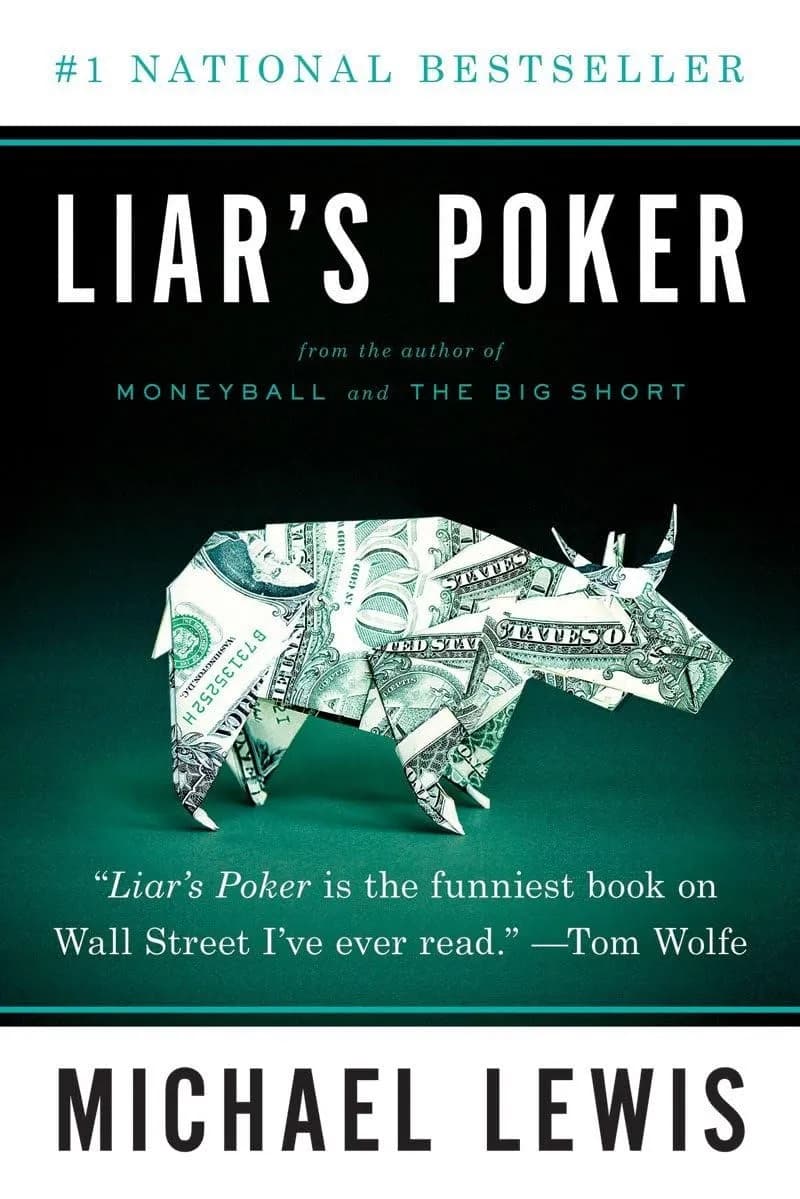
| Liar's Poker (Lewis) | Salomon Brothers in the 1980s | Memoir | Very High |
| Den of Thieves (Stewart) | 1980s insider trading | Investigative | High |
| The Predators' Ball (Bruck) | Drexel Burnham and Milken | Reported narrative | High |
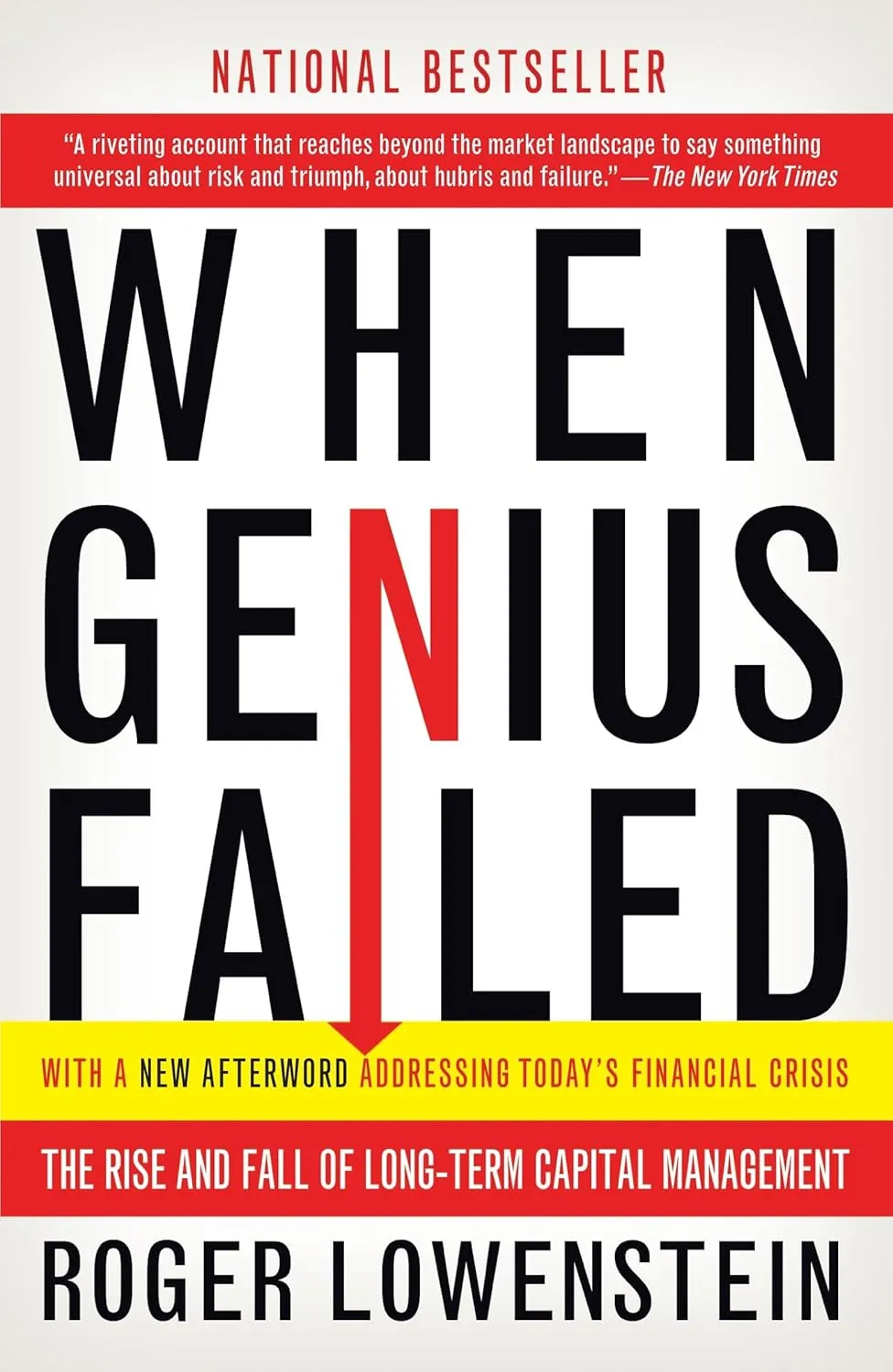
| When Genius Failed (Lowenstein) | LTCM collapse | Reported narrative | High |
Read Barbarians at the Gate for the LBO case study. Read Liar's Poker for the bond market culture. Read Den of Thieves for the criminal side of the 1980s. Read When Genius Failed for how leverage destroyed a different kind of institution.
Implementation Guide
What Individual Investors Should Take Away
Step 1: Check management incentives
Step 2: Watch the debt load
Step 3: Evaluate board quality
Step 4: Understand Wall Street incentives
Frequently Asked Questions
Q: Is this book still relevant given how much has changed since 1988?
A: Very. The LBO mechanics, management incentive failures, investment banker conflicts, and board governance lessons are as applicable today as in 1988. The private equity industry has evolved (lower debt ratios, longer holding periods, private credit dominance), but the fundamental dynamics of leverage, fees, and incentives have not changed. The 2025 PE market data shows the industry is bigger but the game is the same.
Q: Do I need finance background to enjoy this?
A: No. Burrough and Helyar write for general audiences. The financial concepts are embedded in narrative and explained as needed. You will learn how leveraged buyouts work by reading about one.
Q: Was the RJR Nabisco deal typical of 1980s LBOs?
A: It was the largest and most famous, but not typical. Most 1980s LBOs were smaller and more disciplined. RJR Nabisco was an outlier in size, in the bidding war, and in the degree of CEO excess. It became the symbol of the era precisely because it was extreme.
Q: What happened to KKR after this deal?
A: KKR went on to become one of the largest private equity firms in the world, with over $600 billion in assets under management. The RJR Nabisco deal was a humbling experience for them, but it also made their reputation as the firm that could close the biggest deals.
Final Verdict
Rating: 4.7/5
Barbarians at the Gate remains the best book ever written about a single corporate deal. The reporting is unmatched, the characters are vivid, and the lessons about incentives, leverage, and governance are as relevant in 2025 as they were in 1988. The private equity industry that this deal helped create is now a $4 trillion global force, with U.S. buyout deal value hitting $722 billion in 2025. But the core dynamic has not changed: Wall Street gets paid first, leverage amplifies both gains and losses, and CEO incentives rarely align perfectly with shareholder interests.
Read it for the story. Then check your own portfolio for companies with high debt, weak boards, and overpaid CEOs.
Get Your Copy
Paperback: Buy on Amazon
Kindle: Buy on Amazon
Audiobook: Buy on Amazon
Prices current as of publication date. Free shipping available with Prime.