*Disclosure: This article contains affiliate links. If you purchase through these links, we may earn a commission at no additional cost to you. We only recommend books we have personally read and genuinely believe in.
Quick Overview
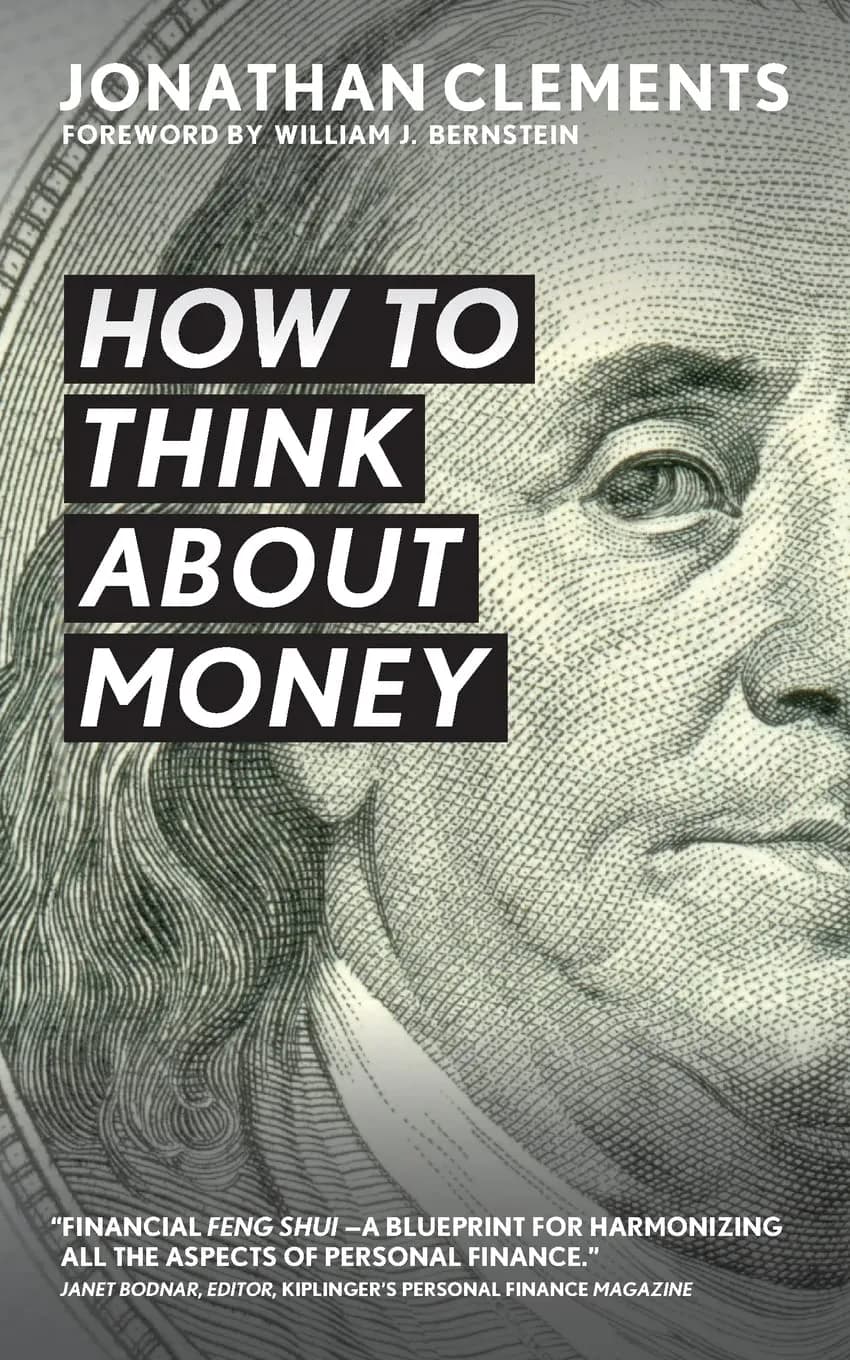
The most contrarian claim in this book is that chasing early retirement might be the wrong goal. Jonathan Clements argues that work provides structure, identity, and social connection that most people need more than they need endless free time. That is not the kind of advice you hear from most personal finance authors. How to Think About Money is a 148-page philosophical framework for reorienting how you think about money's relationship to happiness, time, and life satisfaction. Clements spent 18 years writing the "Getting Going" column at The Wall Street Journal and distilled everything he learned into this slim volume. He passed away on September 21, 2025, at age 62, after a 16-month battle with cancer. In his farewell post on HumbleDollar, he called this book his favorite and his best seller.
Book Details
| Attribute | Details |
|---|---|
| Title | How to Think About Money |
| Author | Jonathan Clements |
| Publisher | Self-published via CreateSpace |
| Published | 2016 |
| Pages | 148 |
| Reading Level | Beginner |
| Amazon Rating | 4.6/5 stars |
Get Your Copy
Paperback: Buy on Amazon
Kindle: Buy on Amazon
About the Author
Jonathan Clements wrote for The Wall Street Journal from 1990 to 2008, penning more than 1,000 columns for the paper and its Sunday edition. He later joined Citigroup's financial education division, served on the advisory board of Creative Planning, and founded HumbleDollar, a personal finance site that publishes essays from practitioners and academics. He wrote nine books over his career, including his final work, Money and Me, released posthumously in May 2026. Jason Zweig of the Journal noted that brokerage and fund executives hated what Clements wrote, but "he persisted through a nonstop blizzard of complaint and criticism." Clements began preaching the virtues of index funds back in the mid-1990s, when they represented just a fraction of investor dollars. He was early in recognizing that the investment industry was great at marketing but not great at investment management.
Key Concepts and Frameworks
Clements organizes the book around five interconnected ideas that together form a philosophy of money management.
Idea 1: Your Life Is Like Running a Small Business
You are the CEO of your own financial enterprise. Your human capital (future earning power) is your most valuable asset. Your investment portfolio is a secondary asset. Managing both well requires thinking like a business owner.
The human capital balance sheet:
| Asset | Approximate Value |
|---|---|
| Human capital (discounted future earnings) | $1M-$3M for most careers |
| Home equity | $100K-$500K (typical) |
| Investment portfolio | Varies; often much smaller than human capital |
Most financial advice focuses on the investment portfolio, the smallest asset for most people under 50. Clements argues that career decisions, education investments, and income growth deserve at least as much attention.
When I applied this framework to my own situation, I realized my asset allocation was wrong. I had a stable salaried job (bond-like human capital) but was holding 30% in bonds in my portfolio. Clements's logic says my income already serves as my bond allocation. I shifted to 90% equities and kept that allocation through the 2022 downturn without flinching, because I understood why I was doing it.
The career risk framework:
Your human capital has a risk profile similar to a specific asset class:
A public school teacher with bond-like income can afford more equity risk in her investment portfolio because her income is her bond allocation. A sales professional with volatile commission income already has significant equity-like exposure and should own more bonds for balance.
Idea 2: Two Great Enemies: Financial Markets and Yourself
Markets price securities efficiently enough that beating them consistently after costs is very difficult. Most active managers underperform their benchmarks after fees over long periods. Clements's conclusion: stop trying to beat the market. Buy low-cost index funds and let the market work for you.
The cost of active management:
| Management Approach | Typical Annual Cost | Long-Run Wealth Impact |
|---|---|---|
| Active mutual fund | 1.0-1.5% | Enormous over decades |
| Index fund | 0.03-0.10% | Minimal |
| Full-service advisor (AUM) | 1.0-1.5% | Enormous over decades |
| Fee-only advisor | $1,000-$5,000/year flat | Minimal (worthwhile for advice) |
On a $500,000 portfolio, 1% annually equals $5,000 per year. Over 20 years at 7% growth, the portfolio with 1% higher cost grows to $1.37M versus $1.85M without the cost. That $480,000 difference is the price of active management. The expense ratio on your funds matters more than almost any other investment decision you make.
The behavioral biases that cause investors to buy high and sell low, over-trade, and chase recent performance cost the average equity fund investor approximately 1.5% per year relative to simply holding the fund through market cycles (the "behavior gap," documented by DALBAR). Combined with active management costs, that is a 2-3% annual drag. Over a 30-year career, this can cut final wealth by 40-60% relative to simply owning index funds and staying the course.
Idea 3: Spend on Experiences, Not Things
The hedonic treadmill is the well-documented psychological phenomenon where material possessions quickly become the new baseline, no longer generating sustained happiness.
Thomas Gilovich's research at Cornell showed that people reported higher lasting satisfaction from experiential purchases than material ones, even when evaluating them years later. The gap widened over time: material possessions lost relative satisfaction while experiences gained through memory and meaning.
When allocating discretionary spending, Clements recommends prioritizing travel, dining with important people, learning new skills, live events, and family experiences over upgraded cars, larger houses, fashion as status signals, and consumer electronics beyond functional needs. This is not deprivation. It is spending on the categories that reliably produce lasting happiness rather than temporary satisfaction that fades. If you struggle with impulse purchases, read our guide on the psychology behind impulse buying.
Idea 4: Try to Be Happy Now
Clements presents a nuanced view on the balance between current consumption and future financial security that most personal finance books miss.
Standard personal finance advice says sacrifice now so you can enjoy later. Save 15-20% of income, live below your means, delay gratification for decades. This is generally good advice, but Clements identifies an important limit. People who defer everything to the future risk two regrets: giving up experiences and relationships during their peak years for a financial goal they may not live to enjoy, and arriving at retirement unable to remember why they sacrificed so much.
The money-happiness research has evolved since the book was published. The original Kahneman and Deaton study found that day-to-day emotional well-being rises with income up to approximately $75,000 per year, then plateaus. In 2021, Matthew Killingsworth published a study using smartphone experience sampling that found happiness continues rising with log(income) beyond $75,000. The two authors then engaged in an adversarial collaboration published in PNAS in 2023. They found that the plateau does exist, but only for the least happy 20% of the population, and only above approximately $100,000 (the inflation-adjusted equivalent of the original $75,000). For the happiest 20% of people, the relationship between income and happiness actually accelerates above $100,000. A 2024 study by Bennedsen, using a data-driven threshold, found evidence for satiation around $200,000.
The practical takeaway: above a certain income threshold, additional money provides life satisfaction but not necessarily additional daily happiness. Most of daily happiness comes from quality of relationships, meaningful work, physical health, sense of purpose, and control over how you spend your time. Money enables the last one but does not directly provide the others.
Idea 5: Forget Financial Independence. Focus on Work You Love.
Clements's most contrarian idea: chasing early retirement may be the wrong goal.
Work provides structure (a reason to get up and produce), identity (I am what I contribute), social connection (colleagues and professional community), accomplishment (I made something happen), and intellectual challenge (hard problems to solve). Early retirement eliminates all of these simultaneously. For many people, the result is not freedom. It is purposelessness.
Rather than escaping work, find work you would choose to do even if money were not a constraint. This may require career changes toward more meaningful but possibly lower-paying work, partial retirement with part-time meaningful work, or volunteer roles that provide similar psychological benefits.
Clements reframes financial independence not as a destination (stop working) but as insurance (financial security that enables you to leave bad situations without immediate financial crisis). Having 1-2 years of expenses saved creates enormous career freedom even without full financial independence. You can leave a toxic job, take a risk on a career change, say no to unethical requests, or negotiate from a position of strength. Full FI (25x expenses) is not required for most of these benefits. A much smaller cushion provides most of the freedom. If you are working toward FI, use our FIRE calculator to see how different savings rates affect your timeline.
Practical Applications
The Simple Portfolio
Despite the book's philosophical focus, Clements provides clear investment guidance:
| Asset | Vehicle | Allocation |
|---|---|---|
| U.S. stocks | Total Market Index Fund | 40-60% |
| International stocks | Total International Index Fund | 20-30% |
| Bonds | Total Bond Market Index Fund | 10-30% |
| REITs (optional) | REIT Index Fund | 0-10% |
The allocation between stocks and bonds should reflect your human capital risk profile (stable income means more equity; volatile income means more bonds), your time horizon (longer means more equity), and your psychological risk tolerance (can you hold through 50% declines without selling?).
Rebalance when any asset class drifts 5% or more from its target allocation, no more frequently than annually and no less frequently than every 3 years. For a step-by-step guide, see how to rebalance your portfolio.
Behavioral Rules
| Rule | Rationale |
|---|---|
| Never check portfolio more than quarterly | Reduces loss-aversion trigger frequency |
| Pre-commit to not selling during crashes | Prevents crystallizing temporary losses |
| Automate all contributions | Removes willpower from the equation |
| Do not look at statements during bear markets | What you don't see, you don't act on irrationally |
Strengths and Weaknesses
What We Loved
Areas for Improvement
Who Should Read This Book
Highly Recommended For
Probably Not For
Comparison to Similar Books
| Book | Focus | Length |
|---|---|---|
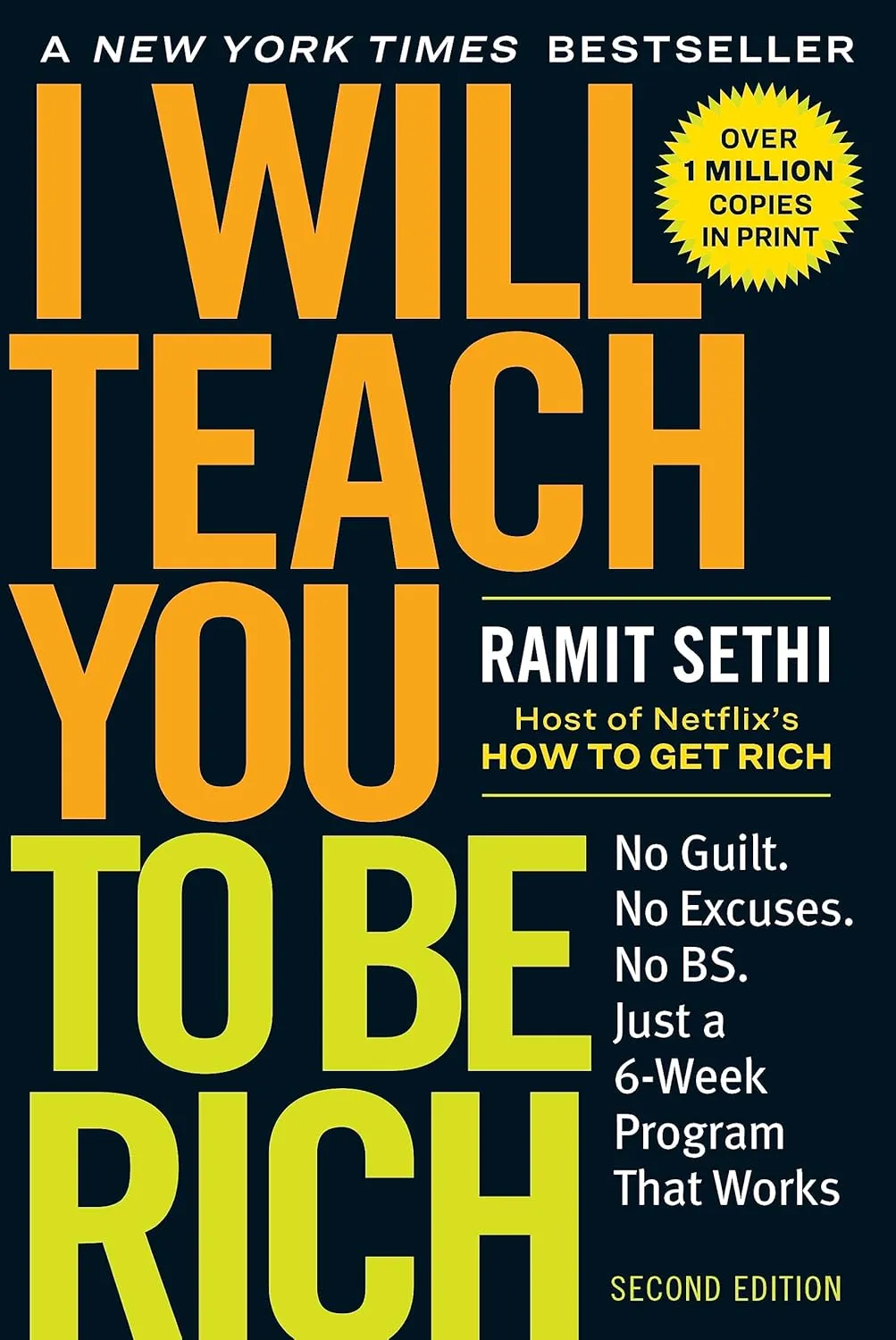
| I Will Teach You to Be Rich (Sethi) | Tactical: automate, invest, negotiate | 352 pages |
| The Simple Path to Wealth (Collins) | Strategic: index funds, savings rate | 400+ pages |
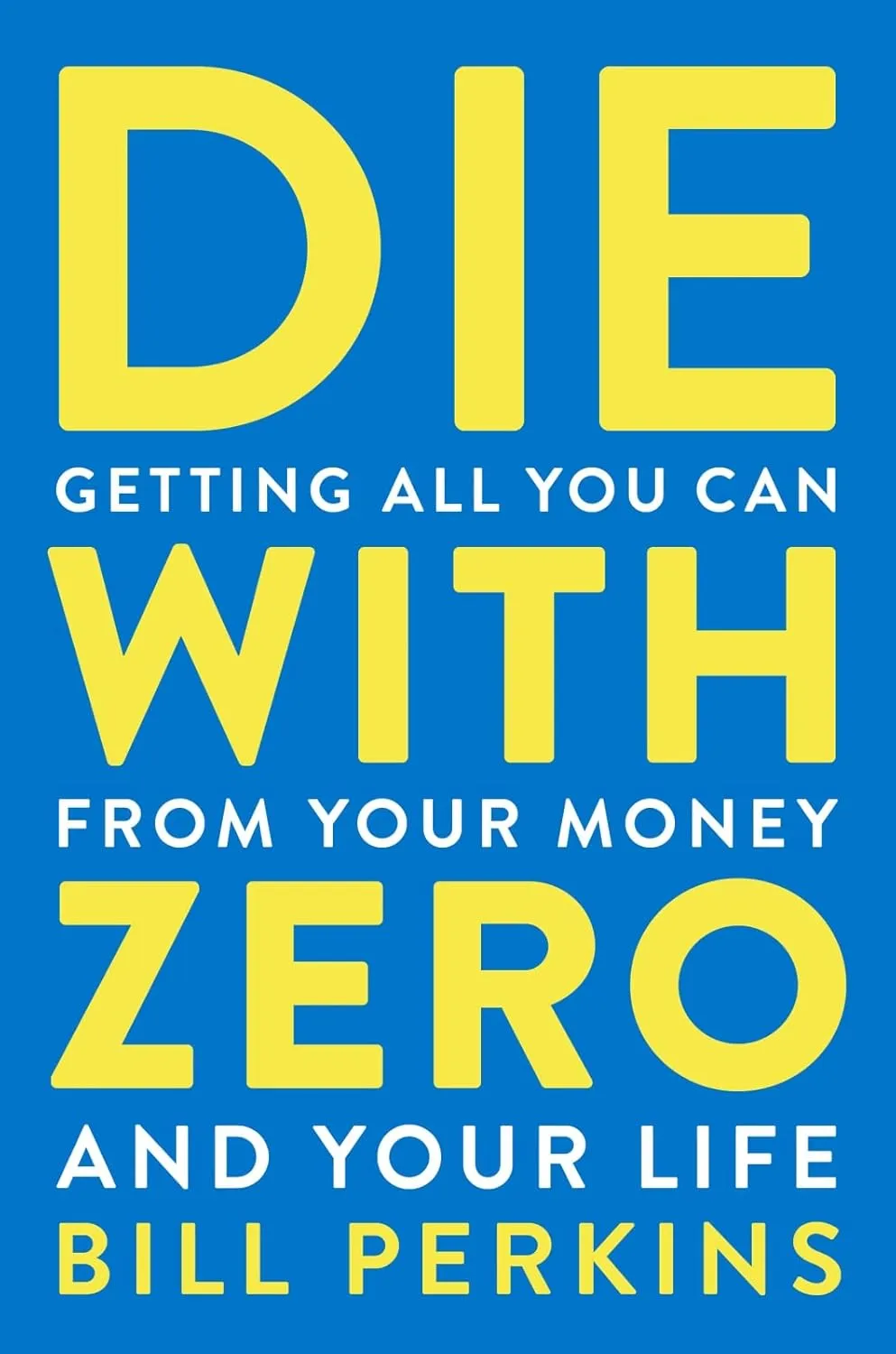
| Die With Zero (Perkins) | Experiential: spend on experiences before you can't | 384 pages |
| How to Think About Money (Clements) | Philosophical: reframe money's role in a good life | 148 pages |
Clements's book is the most useful for people who have already implemented the basics but are unsure whether they are optimizing for the right things. For a deeper dive into the FIRE debate, read our comparison of barista FIRE, coast FIRE, and lean FIRE.
Frequently Asked Questions
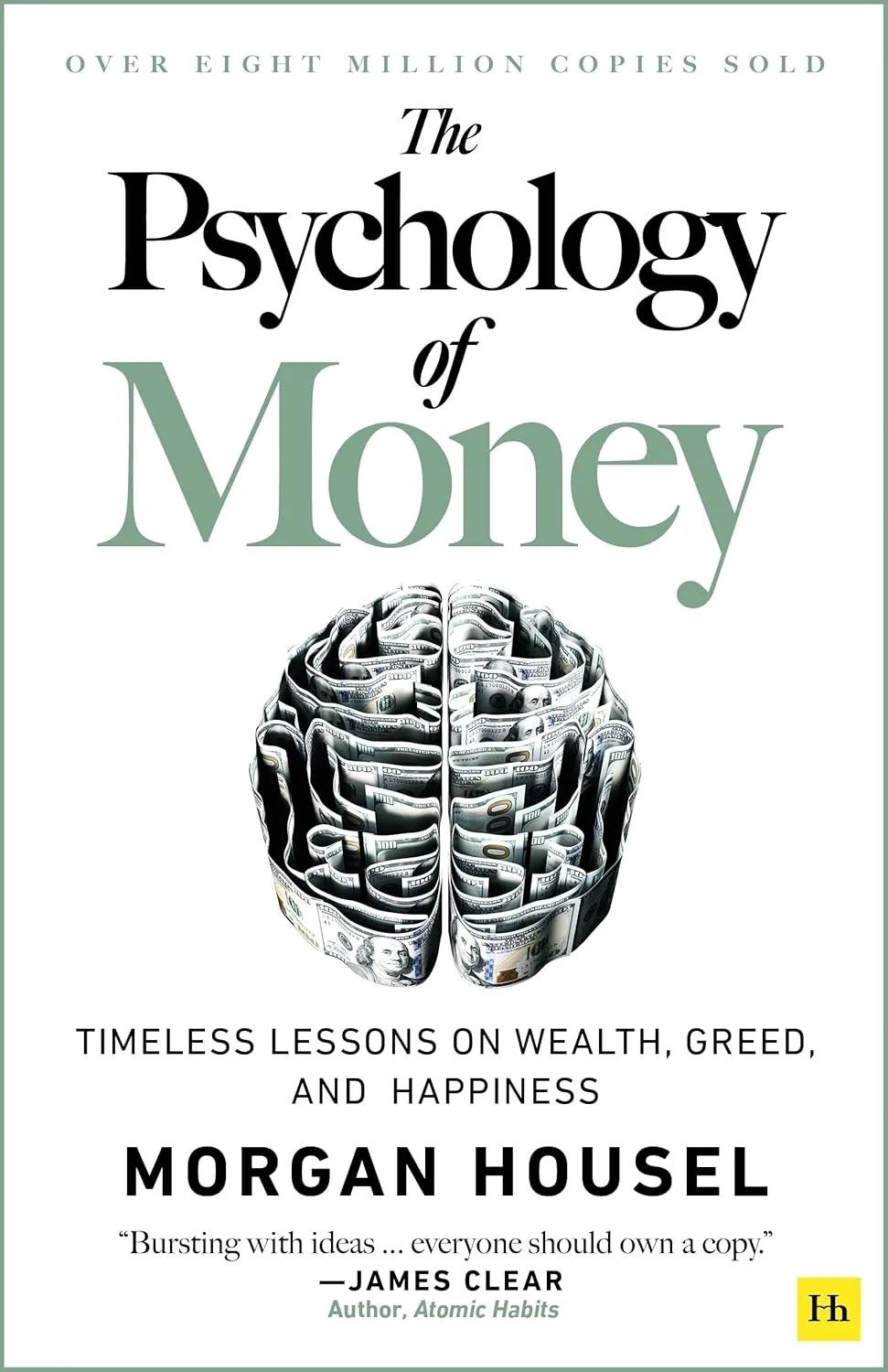
Q: Is this better than The Psychology of Money?
A: They are complementary. Housel's book is broader and more narrative-driven with more investment psychology. Clements's book is more focused on the life-and-happiness implications of financial decisions. Both are worth reading. They reinforce each other.
Q: Do I need to read this if I have already implemented basic financial plans?
A: It is especially valuable if you already have the basics in place. The philosophical questions Clements raises (what are you actually optimizing for, is FI the right goal, are you spending on the right things) are most relevant to people who have already answered the tactical questions. For help with the tactical side, start with our guide to delayed gratification and financial success.
Q: The book was published in 2016. Is it outdated?
A: The philosophy has not aged at all. The investment recommendations (low-cost index funds, diversification, behavioral discipline) remain the consensus view in 2026. The happiness research has evolved since publication, but Clements's conclusions still hold: experiences beat things, and money above a certain threshold buys life satisfaction more than daily joy.
Final Verdict
Rating: 4.5/5
How to Think About Money is the most concise personal finance philosophy book available. Its human capital framework, experiences-versus-things analysis, and questioning of financial independence as an end goal are uniquely valuable. Clements himself lived the philosophy: he wrote in his farewell post that he had spent almost his entire adult life doing what he loved, surrounded by those he loved. The book's final lesson, that money is a tool for buying back your time and living on your own terms, is one he embodied right up to the end.
Read it after the tactical basics are in place to reorient why you are doing any of it. Then pick up a copy and spend an afternoon with it.
Get Your Copy
Paperback: Buy on Amazon
Kindle: Buy on Amazon
Prices current as of publication date. Free shipping available with Prime.