
Can You Retire Early Without Ever Earning a Six-Figure Salary?
Most early retirement stories feature high salaries. But early retirement on a median income is genuinely possible. The math is harder, the timeline is longer, and the strategy is different.

Scroll through popular early retirement content and you will find a pattern: software engineers, physicians, lawyers, dual-income professional couples. People who earned $120,000 to $300,000, saved aggressively for 10 to 15 years, and retired in their late 30s or early 40s. The math at those income levels is genuinely not complicated.
But the median household income in the United States was $83,730 in 2024, according to the Census Bureau. The median weekly earnings for full-time wage and salary workers was $1,225 in Q4 2025, which annualizes to roughly $63,700, according to the Bureau of Labor Statistics. Most people reading about early retirement do not earn six figures, and the advice written for high earners often does not tell them whether the goal is actually achievable.
The honest answer is: early retirement on a median income is possible, but it requires a longer timeline, a lower target spending level, and a clearer-eyed approach to what "early" realistically means. This post lays out the actual path.
What Early Retirement Means at a Median Income
First, let's reframe "early." For someone earning $50,000 to $70,000 per year, retiring at 35 requires the kind of extreme frugality and sacrifice that few people genuinely sustain. Retiring at 50 or 55 is a fundamentally different and more achievable goal, still 12 to 17 years before Social Security's full retirement age of 67.
Reaching financial independence at 50 instead of 65 is worth pursuing. It means 15 additional years of autonomy, health, and energy while you are still young enough to travel, pursue interests, and contribute to things you care about. The question is not whether median-income earners can retire at 38 the way a tech couple in San Francisco can. The question is whether they can build genuine financial independence significantly ahead of the conventional retirement age.
For most people earning $50,000 to $70,000, the answer is yes with discipline, low spending, and consistent long-term investing.
The Math for Someone Earning $55,000
Let's run actual numbers for a single person earning $55,000 per year.
After federal income tax and standard deductions, take-home pay is roughly $43,000 to $45,000 assuming no 401(k) contributions. With 401(k) contributions reducing taxable income, effective take-home with some savings is approximately $38,000 to $42,000 depending on contribution level. The 2026 401(k) contribution limit is $23,500, and the IRA limit is $7,000, so there is plenty of tax-advantaged room.
Scenario A: Aggressive savings rate (25%), retiring at 52
- Annual savings: ~$13,750
- Annual spending: ~$28,000 (with housing, food, transportation, and basic costs in a moderate-cost area)
- FI target at 25x expenses: $700,000
- Starting at age 25 with $0, investing $13,750/year at 7% average annual return: reaches $700,000 at approximately age 52
Scenario B: Moderate savings rate (15%), retiring at 58
- Annual savings: ~$8,250
- Annual spending: ~$35,000
- FI target: $875,000
- Reaches $875,000 by approximately age 58 starting at 25
These projections do not include Social Security, which would supplement portfolio withdrawals starting at 62 to 70 and could reduce the required portfolio size significantly. The average Social Security benefit in 2026 is $2,081 per month across all retired workers, according to the SSA's April 2026 Monthly Statistical Snapshot. At age 62, the average is $1,424; at 67, it is $2,016; at 70, it is $2,275. Someone who retires at 52 and starts Social Security at 67 has 15 years of pure portfolio withdrawals followed by reduced withdrawal needs.
The Three Levers That Matter Most
- Spending level. The FI target is 25 times annual spending. Reducing annual spending by $5,000 reduces the required portfolio by $125,000. Cutting spending has a double effect: it reduces the target and frees up more money to invest. This is why the low-cost-of-living city choice, the paid-off car, and the modest housing situation matter so disproportionately in a median-income FIRE plan.
- Starting age. Compound growth rewards early starters enormously. Starting investing at 22 versus 32 can mean the difference of $200,000 to $400,000 at retirement age, assuming the same annual contributions. The decade of compounding in your 20s is extraordinarily valuable and cannot be recovered later.
- Income growth. On a $55,000 salary, the savings amount is constrained. Each $10,000 increase in income, if not spent, adds roughly $10,000 more per year to investments. A person who grows from $55,000 to $72,000 over their 20s and 30s while keeping lifestyle inflation low builds wealth significantly faster than income projections based on a static salary suggest.
What You Cannot Optimize Away
At a median income, certain financial realities are simply harder to manage than for high earners:
Health care costs. Without employer coverage, an individual ACA marketplace plan in 2026 averages $581 per month for a 50-year-old on a benchmark Silver plan before subsidies, according to InsuranceCostGuide. Premiums for 50-year-olds range from roughly $420 for Bronze to $640 for Gold. The enhanced premium tax credits that previously subsidized most marketplace enrollees expired at the end of 2025, so the average out-of-pocket premium payment rose 58% from $113 to $178 per month, according to KFF. However, subsidies are still available based on income, and a single adult earning $35,000 might pay $150 to $250 per month after subsidies. This is a significant budget item that high-income early retirees also face but can more easily absorb. Medicare eligibility does not begin until 65.
Sequence of returns risk. A median-income retiree with a smaller portfolio is more vulnerable to a major market downturn in the early years of retirement. A 30 to 40% portfolio decline in year two of a Lean FIRE retirement can meaningfully threaten long-term sustainability. Holding 1 to 2 years of expenses in cash or short-term bonds when entering retirement provides a buffer. High-yield savings accounts were still offering up to 4.50% APY as of July 2026, compared to the FDIC national average of 0.38%, making cash buffers more productive than in past years.
Social Security timing. Retiring at 52 means not contributing to Social Security for 10 to 15 years before taking benefits. This reduces the benefit amount. The maximum Social Security benefit in 2026 is $2,969 at age 62, $4,152 at full retirement age, and $5,181 at age 70. But the average 62-year-old retiree receives just $1,424 per month. It is worth modeling the Social Security impact explicitly using your own earnings record at SSA.gov.
Real-World Examples
Example: Keiko, 51, retired at 50 on a teacher's salary
Situation: Keiko taught elementary school for 28 years at a salary that peaked at $62,000. She qualified for a state pension paying $28,000/year. She supplemented that with a $210,000 investment portfolio in a Roth IRA built through consistent contributions over her career.
Current life: The pension covers her basic expenses. The investment portfolio provides flexibility for larger purchases and travel. She lives modestly in a paid-off home.
Key factor: The pension changed her FI calculation entirely. A defined benefit pension is the equivalent of having a large portfolio and should be valued accordingly in any FI plan.
Example: Marcus, 54, retired at 52 from a logistics coordinator role
Situation: Marcus earned $58,000 to $65,000 over a 27-year career. He lived in the same modest home for 20 years, drove used cars, and invested $12,000 to $16,000/year into his 401(k) and Roth IRA consistently.
Portfolio at 52: $780,000. Annual spending: $31,000.
Withdrawal rate: 3.97%, just under the 4% threshold.
What made it work: No lifestyle inflation over 27 years. Consistent investing regardless of market conditions. A paid-off home that eliminated his largest potential expense.
Common Objections, Answered Honestly
"Investing $13,750/year on $55,000 sounds impossible." It requires keeping annual spending below $28,000 in a moderate-cost area. That means a modest apartment or low housing cost, a used car, cooking most meals at home, and limited discretionary spending. It is not impossible. It is genuinely hard in a high-cost city, which is one reason geographic choice matters so much at median incomes.
"What about raising a family?" Early retirement on a median income with children is harder and likely requires a longer timeline or a higher savings rate for a shorter period. Two incomes significantly change the math. A dual-income median household earning $110,000 combined and following this approach has a much more accessible timeline than a single earner.
"What if the market crashes right after I retire?" Holding 1 to 2 years of expenses in cash or short-term bonds at retirement entry addresses the worst sequence of returns scenarios. A cash buffer means you are not selling equities at the worst moment.
For the full picture on how savings rate affects FIRE timelines, see What Is the FIRE Movement and Can You Actually Retire at 40?. The lower-spending path described here aligns closely with Lean FIRE, which Barista FIRE, Coast FIRE, Lean FIRE: Which Version Actually Fits Your Life? covers in detail. And for a related angle on keeping costs low as a core strategy, The Financial Case for Staying in a Low Cost of Living City covers the geographic dimension.
This post is for informational purposes only and does not constitute financial advice. Projections use assumed rates of return that are not guaranteed. Social Security, pension, and tax figures change over time. Consult a financial professional before making major retirement planning decisions.
Tags
Savvy Nickel Team
Financial education expert dedicated to making complex money topics simple and accessible for everyone.
Recommended Articles

How to Negotiate Your First Salary (And Why It Matters for Retirement)
Most people accept the first offer they get. That single decision can cost them hundreds of thousands of dollars over a career. Here is how to negotiate, and why the stakes are higher than they appear.

The Financial Checklist for Turning 25
The median 25-year-old has $3,000 to $8,000 in total savings. The benchmark is 0.5x your salary in retirement accounts. Here is the complete financial checklist for turning 25: where you should be, what to fix, and what to prioritize.

401k vs Roth IRA: Which Should a 22-Year-Old Choose?
Both accounts will make you wealthy if you use them. But the order and split matters, especially when you are young, in a low tax bracket, and time is your biggest asset.
Run the Numbers
Free calculators related to this article.
FIRE Calculator
Calculate your Financial Independence number and find out how many years until you can retire early. Enter your income, expenses, savings, and expected returns to see your personalized FIRE timeline with Lean, Regular, and Fat FIRE targets.
Open calculator →Retirement Number Calculator
Your retirement number is the amount you need invested to stop working and live on your terms. Calculate your target based on your spending, not a generic multiple of your salary.
Open calculator →Coast FI Calculator
Find out how much you need invested right now so that compound growth alone reaches your retirement number by 65, without saving another dollar. The number is smaller than you think.
Open calculator →Recommended Books
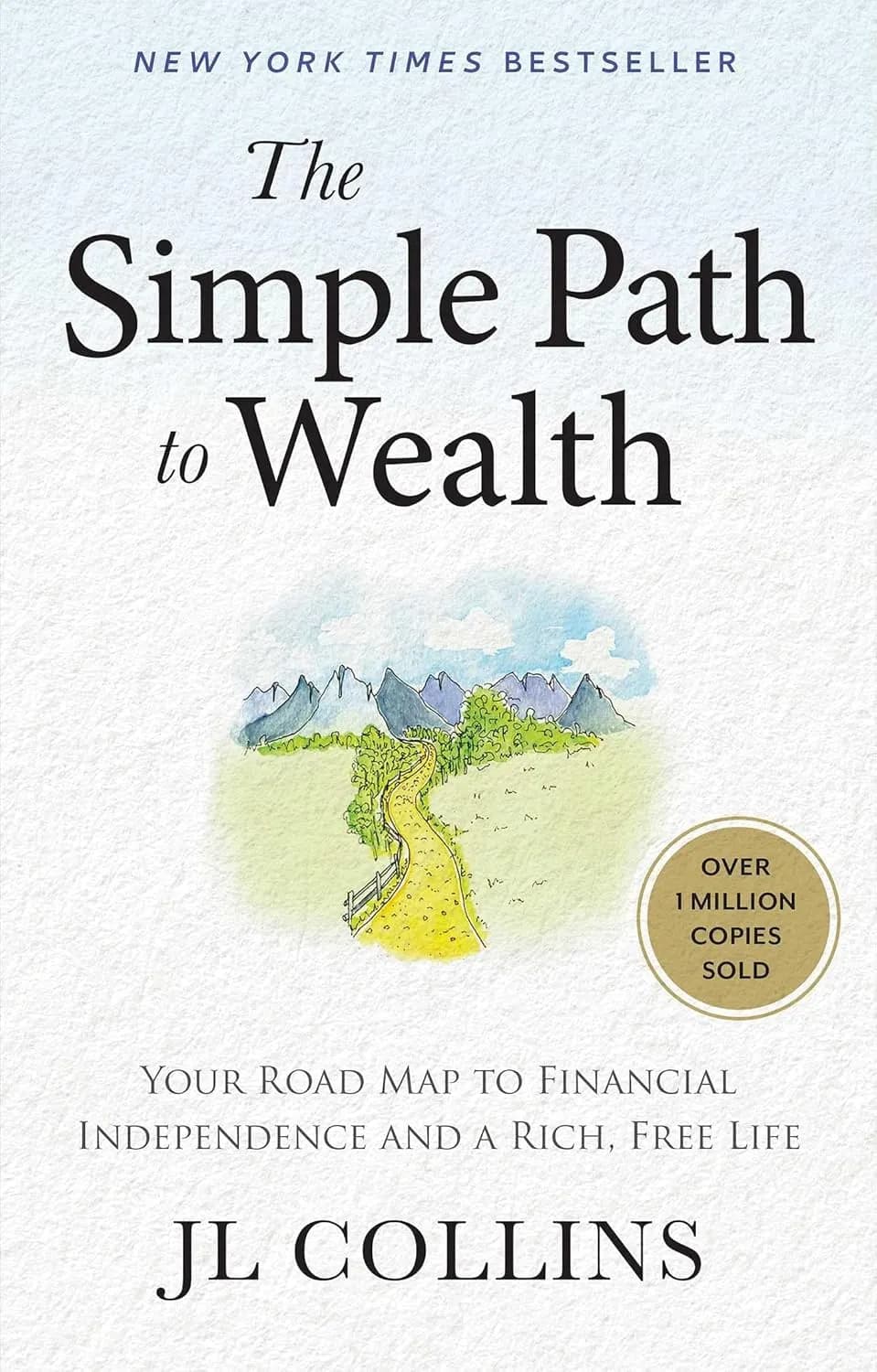
The Simple Path to Wealth
by JL Collins
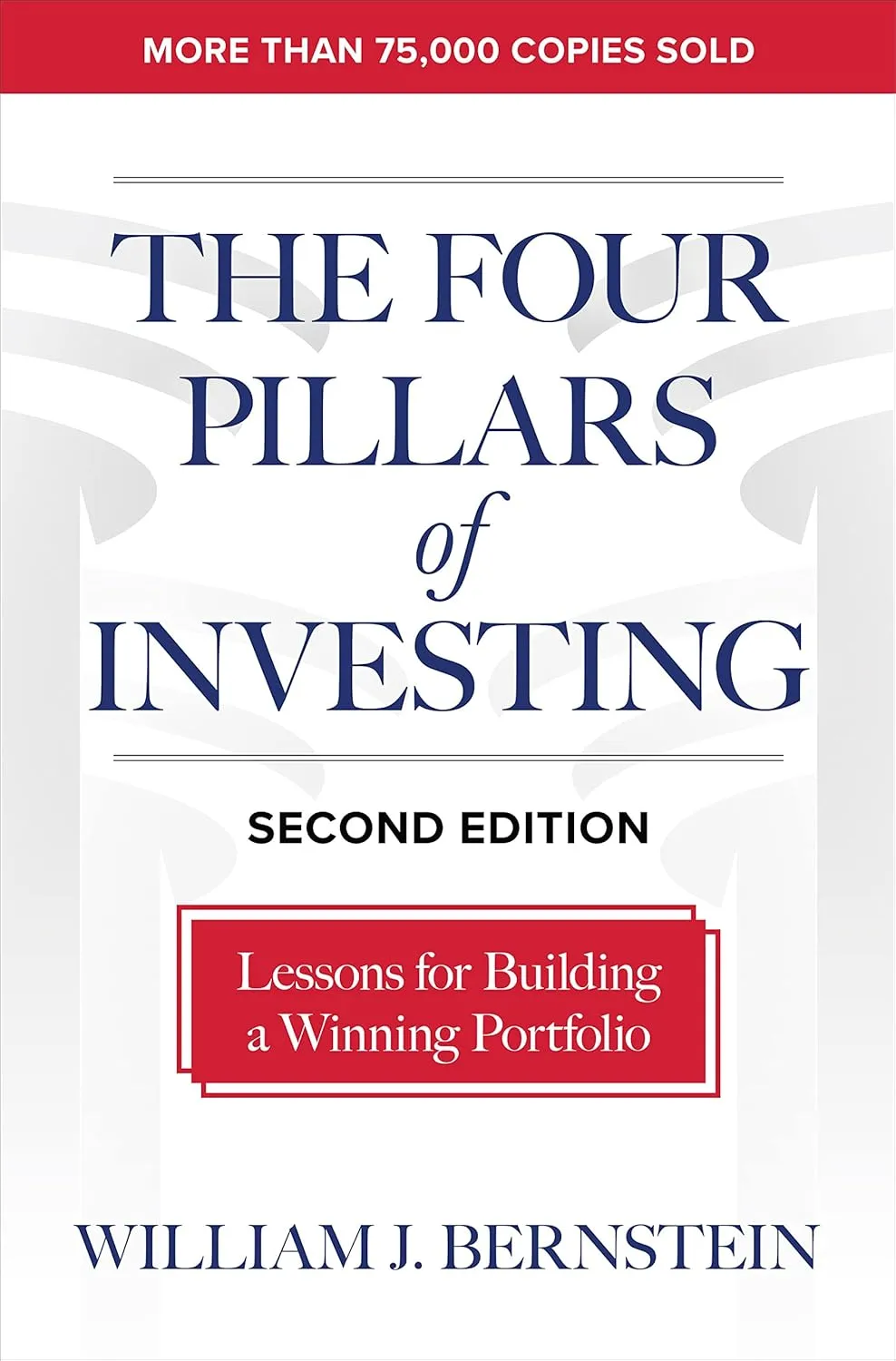
The Four Pillars of Investing: Lessons for Building a Winning Portfolio
by William J. Bernstein
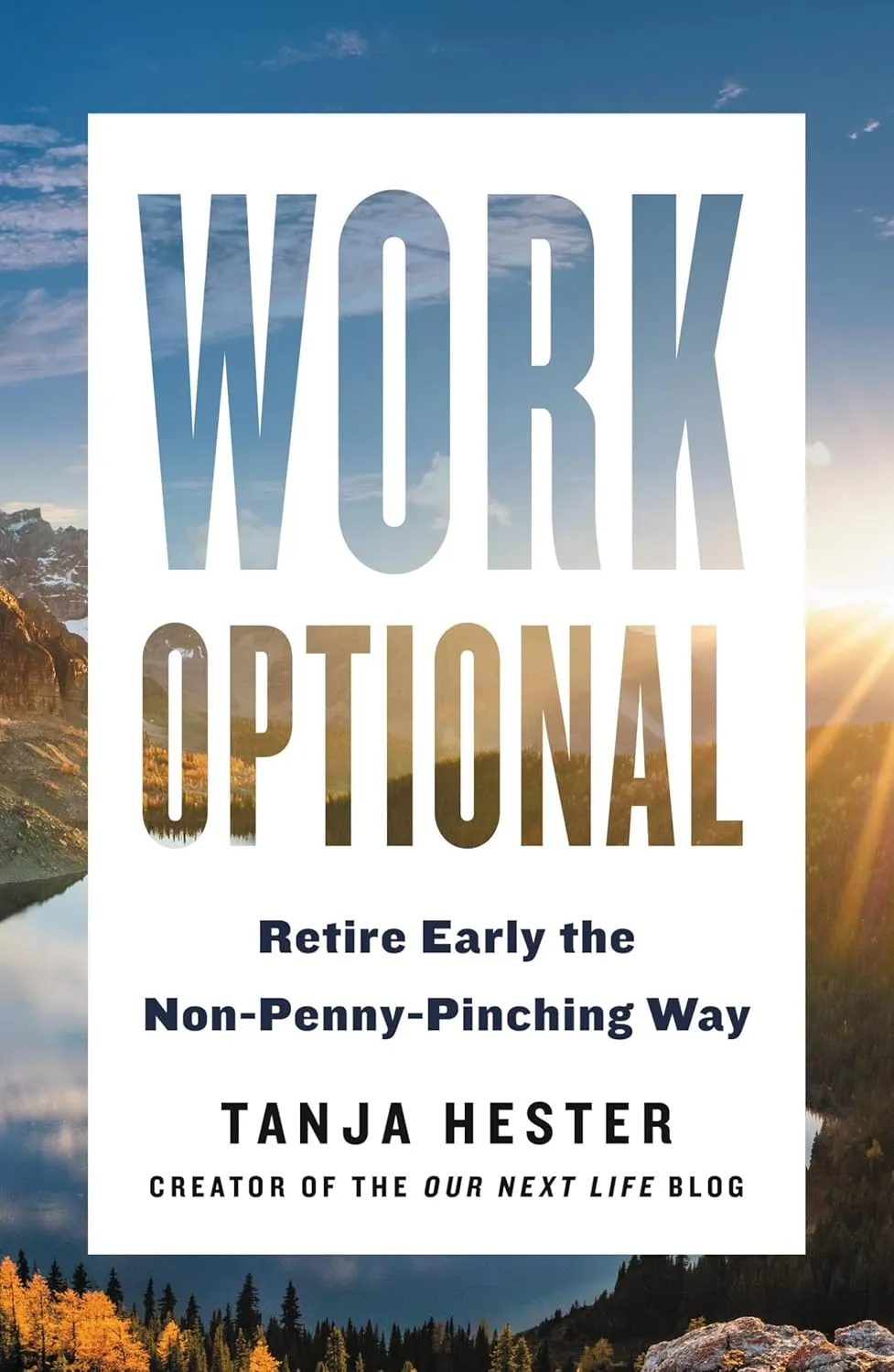
Work Optional: Retire Early the Non-Penny-Pinching Way
by Tanja Hester
Related Glossary Terms
FIRE
FIRE is a movement built on saving and investing 50 to 70 percent of your income so you can reach financial independence decades before the traditional retirement age of 65. The math relies on the 25x rule and a 4 percent safe withdrawal rate.
Income
Income is money received on a regular basis from work, investments, or business activities. It is the starting point for every financial decision, from paying bills to building long-term wealth.
Financial Independence
Financial independence means having enough invested assets to cover living expenses without needing employment income. The standard target is 25x annual expenses, based on the 4% withdrawal rule.
Retirement
Retirement is the phase of life when you stop working for income and live off savings, pensions, and Social Security. Most Americans retire around age 62, but planning should start decades earlier.
401(k)
A 401(k) is an employer-sponsored retirement plan that lets you invest pre-tax dollars, reducing taxable income while building long-term wealth with potential employer matching.
403(b)
A 403(b) is a tax-advantaged retirement plan for employees of public schools, nonprofits, and certain tax-exempt organizations, similar to a 401(k) but with unique rules and investment options.
Recommended Podcasts

Afford Anything
by Paula Pant
Paula Pant blends real estate investing with money psychology and life design. Weekly Q&A and First Friday deep dives, 746+ episodes, and a 4.8 Apple rating.

The Money Guy Show
by Brian Preston, CPA/CFP & Bo Hanson, CFA/CFP
Two fee-only financial advisors break down the Financial Order of Operations, a 9-step wealth-building framework. 617K YouTube followers and a 4.8 Apple rating.

The Long View
by Christine Benz, Amy Arnott & Ben Johnson
Morningstar's weekly deep-dive interview show on retirement, portfolio strategy, and fund analysis. 387 episodes, hosted by Christine Benz and the Morningstar research team.