This review is for informational purposes only and does not constitute financial advice.
A Long-Running Interview Show With a Different Lens
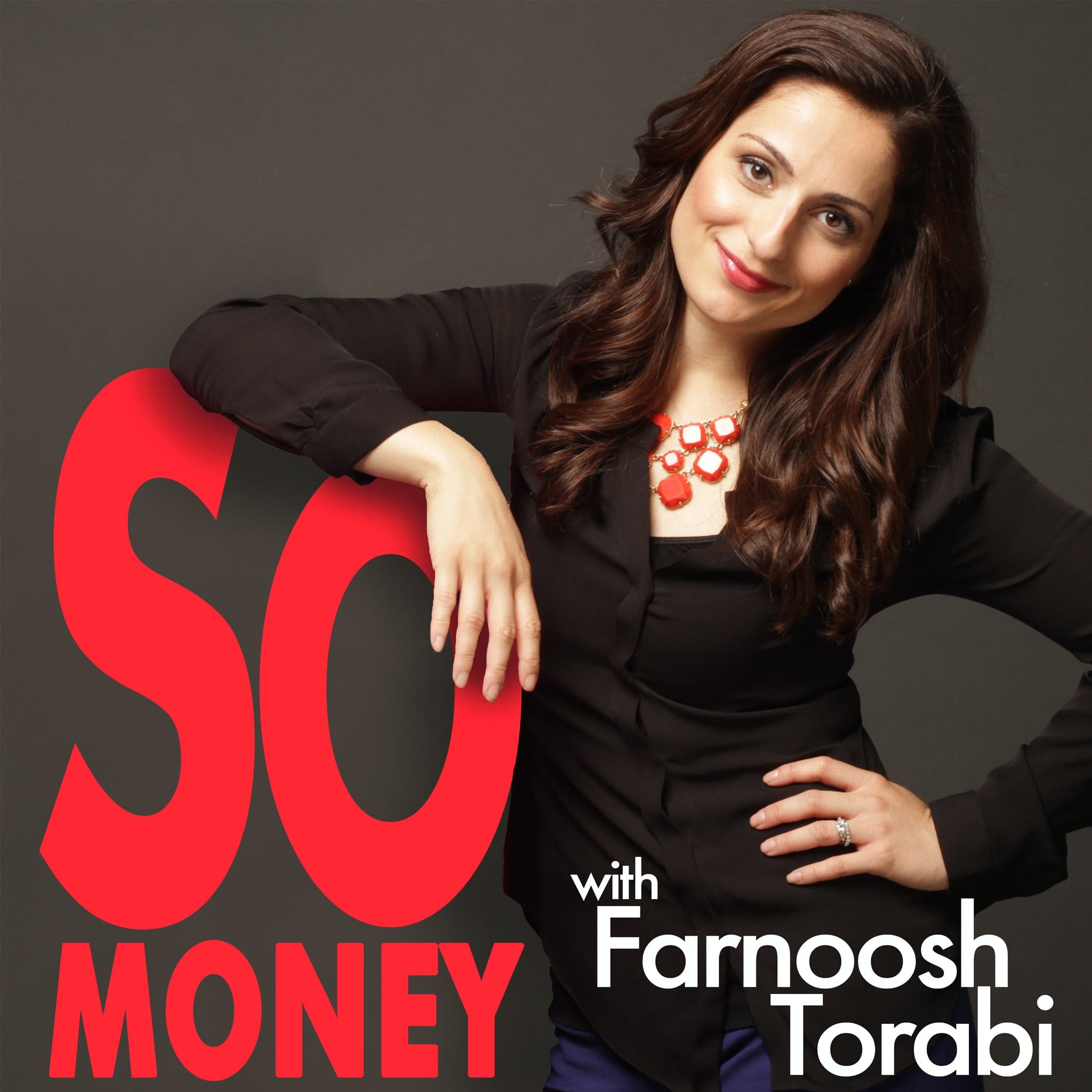
Farnoosh Torabi opened the September 11, 2026 episode by pulling back the curtain on her own finances. After 15 years of automating investments and maxing retirement accounts, she sat down with her financial planner to ask whether she was saving too much. The episode covered SEP IRA strategy, annuities, and the tension between funding retirement and enjoying life now. That willingness to expose her own decisions is what makes So Money different from the category average.
So Money has been running since 2015 and now has over 2,000 episodes and 40 million downloads. It was named a best podcast by The New York Times, Time Magazine, Real Simple, and MSNBC, and has won multiple Webby awards. Torabi is a financial strategist, TV host, and bestselling author who brings on guests ranging from Queen Latifah to Barbara Corcoran to academic researchers. The show publishes several times a week, with Friday episodes dedicated to answering listener questions.
If you want a finance show that treats money as a tool for living rather than a scoreboard, this is among the best in the category. If you want a strict how-to format with step-by-step instructions, the interview style will feel unfocused.
What the Show Does Well
The interview format is the show's strength. Torabi asks guests about their money stories, their mistakes, and the specific decisions that shaped their financial lives. The September 4, 2026 episode previewed changes coming in 2027, including a shift toward video and a sharper focus on the intersection of midlife and money. That focus matters because midlife is when careers, kids, aging parents, and retirement planning all collide at once.
The Friday Ask Farnoosh episodes are the most practical. Listeners submit questions about saving, investing, and building wealth, and Torabi answers them with research and personal experience. The June 26, 2026 episode, which marked 2,000 conversations, reflected on the biggest money lessons from 11 years of producing the show. That kind of longitudinal perspective is rare in a category where most shows chase the current news cycle.
The career and entrepreneurship coverage is a differentiator. Torabi does not treat income as fixed. She regularly features guests who built businesses, changed careers, or negotiated their way to higher pay. That focus pairs well with our guide to asking for a raise, which covers the income side of the equation from a different angle.
Where the Show Has Limits
The interview format means depth varies by guest. A conversation with a behavioral economist can cover decades of research in 30 minutes. A conversation with a celebrity promoting a project may stay surface-level. Listeners who want consistent, structured financial guidance will find the quality uneven across episodes.
The show sells a Members Club and promotes a literary workshop called Book to Brand. The hosts disclose these, but listeners should evaluate paid offerings separately from the free content. The investing guidance is sound but general. Listeners who want specific portfolio construction advice will need to look elsewhere, and our guide to building your first portfolio in your 20s goes further on the mechanics.
The show's audience skews older, with 34% of listeners over 65. That is a strength for retirement and estate planning content, but younger listeners may find some episodes less relevant to their stage. The Roth IRA and 401(k) coverage is solid for anyone, but the framing often assumes accumulated assets.
Who Should Listen
The show fits listeners in their 30s through 50s who want money conversations that go beyond budgeting and investing mechanics. It suits people who are interested in the psychology and life design behind financial decisions. A listener on the September 11, 2026 episode heard Torabi question whether she was over-saving and reconsider her SEP IRA strategy. That kind of honest self-examination is the show at its best.
It fits less well for listeners who want a structured plan, anyone looking for stock recommendations, or people who prefer short, information-dense episodes. For a more structured approach to retirement planning, pair this with our guide to how much you need to retire.
Getting Started
Begin with the midlife financial plan episode for a transparent look at how a finance expert manages her own money, then move to the Ask Farnoosh Friday episodes for listener questions. The embedded video above covers smart budgeting habits from a 2026 interview. Track your net worth and retirement progress as you apply the advice, because the show's guidance only pays off if you can see it moving your numbers.
So Money will not give you a rigid financial plan. It will give you 2,000 conversations about how money actually works in real lives, which is a different and equally valuable kind of education.
This post is for informational purposes only and does not constitute financial advice.