This review is for informational purposes only and does not constitute financial advice.
A Debt Show From Someone Who Actually Drowned
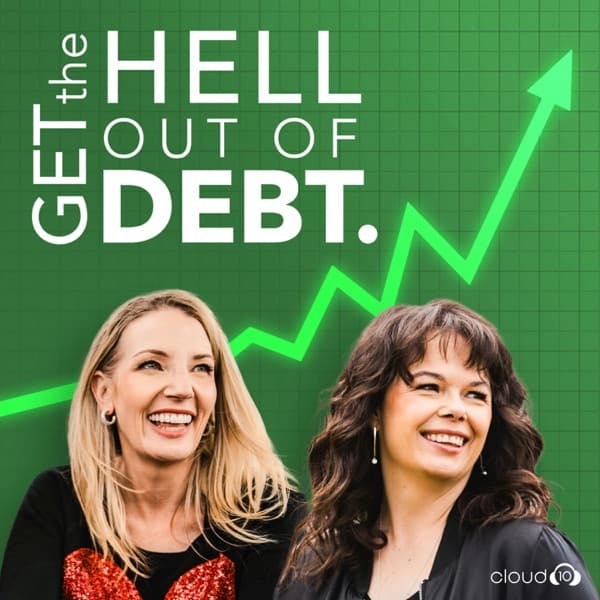
Erin Skye Kelly does not lecture about debt from a position of having always been careful with money. She was $2.1 million in debt in her twenties, running a mortgage brokerage, and getting worse advice from financial professionals who kept telling her to consolidate and refinance. Every time she did, she ended up deeper in debt while someone else collected fees. She built her method from the wreckage of that experience, and the podcast is the extension of it.
The show is co-hosted with Keri Blakeney, her best friend, and the dynamic is deliberately casual. They open with coffee ratings and banter before getting into listener questions, debt payoff stories, and behavior change. The tone is the opposite of a stiff personal finance lecture. Kelly calls it making money fun, and the humor is what makes the hard parts bearable. She has helped thousands of people pay off millions in consumer debt through her course, her two books, and this podcast.
If you carry consumer debt and are tired of shame-based advice that makes you feel worse without giving you a plan, this show meets you where you are. If you are looking for advanced investing strategy, this is the wrong feed.
What the Show Does Well
The listener story episodes are the core of the show. Kelly brings on real people who worked through her three-phase method and asks them about the messy parts: the relapses, the partner conflicts, the months where progress stalled. The June 23, 2026 episode, "The Difference Between Quitting and Adjusting," took a listener who was wrestling with whether to change a debt payoff plan halfway through and turned it into a conversation about momentum, motivation, and integrity. The point was that the mathematically best choice is not always the one you will actually finish, and finishing is what matters.
The "encore" episodes from August 2026 revisited two of the most asked questions: whether to invest while carrying debt, and whether to pay down a mortgage or invest instead. Kelly's answer on the first is nuanced. She does not tell everyone to stop all investing. She walks through when pausing contributions makes sense and when getting into the market now matters, depending on your debt interest rates, your age, and your timeline. That nuance is what separates this show from the all-debt-is-emergency crowd.
For the mechanics of choosing a payoff method, our debt avalanche vs. debt snowball comparison breaks down the math and the behavioral tradeoffs, which is the same tension Kelly addresses from the psychology side.
The Behavior-Change Framework
Kelly's method is built on the idea that debt is a behavior problem more than a math problem. If the math alone worked, everyone who ran a spreadsheet would be debt-free. The show spends more time on why people borrow than on how to calculate interest, which is the right emphasis for listeners who keep paying off debt and then running it back up.
This aligns with established research on financial behavior. The Federal Reserve's Survey of Household Economics and Decisionmaking found that a meaningful share of adults carry revolving credit card balances month to month despite knowing the cost, and that financial literacy alone does not predict who avoids debt. Behavior, income stability, and life events do. Kelly's framework targets the behavior layer, which is where most debt cycles actually break or repeat.
The show also addresses the emotional side of money in relationships. Kelly's second book, "Naked Money Meetings," is about ending money fights with a partner, and the podcast regularly covers how to have debt conversations without turning them into blame sessions. For listeners dealing with the spending psychology underneath the debt, our guide to why you keep spending money you do not have covers the same patterns from a structured angle.
Where the Show Has Limits
The show sells a course and a community, and the hosts mention both frequently. The free podcast content is genuinely useful, but listeners should expect a steady pipeline toward the paid "Get the Hell Out of Debt" program. Evaluate the course on its own merits and budget before committing.
The episodes lean heavily on listener calls and personal stories, which are powerful but less data-dense than a show built on research. If you want hard numbers, amortization schedules, and tax analysis, you will find less of that here. The show is about getting you to start and keep going, not about optimizing the last dollar of interest.
The cadence has shifted toward "encore" episodes in mid-2026, rerunning older episodes that remain relevant. New listeners will not notice, but long-time subscribers may find the reposts repetitive until fresh episodes return.
Who Should Listen
The show fits listeners in their 30s through 50s carrying consumer debt, especially credit card balances, who have tried and failed to stick with a payoff plan. It suits people who respond better to encouragement and humor than to shame, and who want to understand the behavior behind their borrowing. A listener on the June 23 episode was deciding whether changing her plan meant she was quitting. Kelly reframed it as adjusting, and that distinction is the kind of shift that keeps people moving instead of giving up.
It fits less well for listeners who are already debt-free and want investing strategy (our guide to your first investment portfolio in your 20s goes further), anyone who wants a pure math approach without the behavior discussion, or listeners whose debt is primarily a mortgage at a low rate (the pay off mortgage or invest decision is a different question).
Getting Started
Begin with the "Difference Between Quitting and Adjusting" episode for the mindset framework, then the "Investing While You Have Debt?" encore for the question almost everyone carrying debt asks. Run your own numbers with our debt payoff calculator and credit card interest calculator so you know exactly what you owe and what each method saves you, because the show's motivation only converts to progress when you can see your balances moving.
Get the Hell Out of Debt will not shame you for having debt. It will give you a method and the encouragement to finish it, and for most listeners that combination is what was missing the last time they tried.
This post is for informational purposes only and does not constitute financial advice.